
In this article:
- Why These Scalloped Potatoes Work Every Single Time
- Silky Cream and Tender Layers: The Texture to Aim For
- Scalloped Potatoes Ingredients
- How to Make Scalloped Potatoes, Layer by Layer
- The 6-Minute Simmer That Fixes Undercooked Slices
- Scalloped or Au Gratin? The Difference on Your Plate
- Lighter Swaps That Keep the Scalloped Potatoes Creamy
- Assemble Tonight, Bake Tomorrow: The Make-Ahead Plan
- Storing and Reheating Scalloped Potatoes
- FAQ
Why These Scalloped Potatoes Work Every Single Time
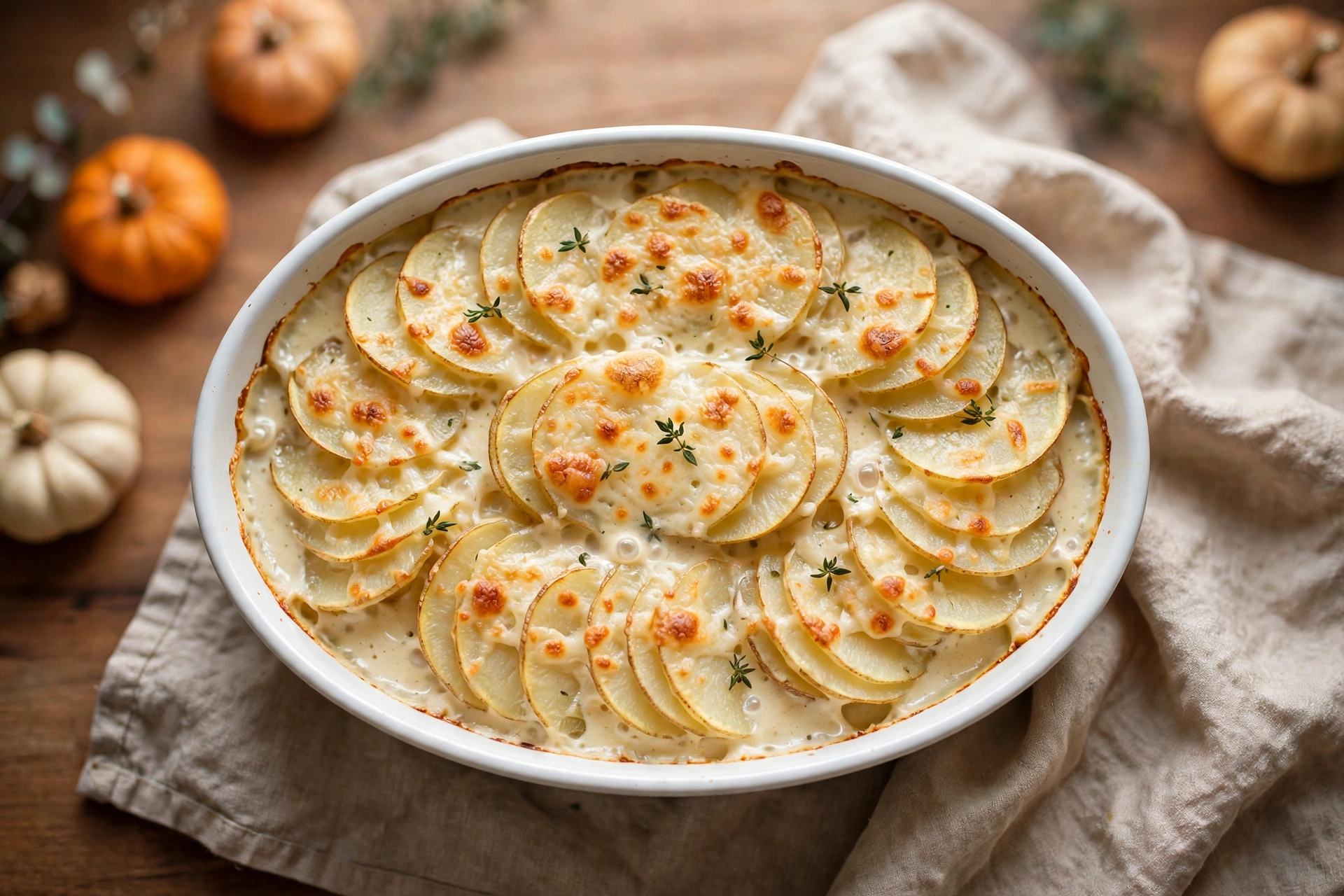
These scalloped potatoes work because the cooking starts before the dish ever sees the oven. Six minutes of gentle simmering in the cream jump starts the potatoes, so the bake becomes a finishing step instead of a gamble. Cold sauce poured over raw slices is where most recipes fail. The outside layers cook in the bubbling edges while the insulated center stays firm, and no amount of extra oven time fixes it evenly. The simmer also changes the sauce itself. Potato starch slips into the cream as the slices soften, thickening it naturally into a silky blanket that clings instead of pooling at the bottom of the dish. Yukon Gold potatoes are the second quiet decision. Their thin skins and waxy flesh hold each slice in a clean layer, while their natural starch is just enough to body the cream without turning it gluey. Thickness is the third decision, and it is not negotiable. Slices cut a true 1/8 inch cook at the same pace, which means no crunchy rebels and no collapsed mush in the same bite. Finally, the rest matters as much as the bake. Fifteen quiet minutes on the counter let the cream settle into its final, spoon coating consistency, the difference between soupy and sublime.Silky Cream and Tender Layers: The Texture to Aim For
Picture the ideal bite: a supple stack of slices that bends on the fork without breaking, each layer separated by a film of cream. The top is pale gold with a few deeper spots at the edges where the cream caramelized. The flavor is gentle and rounded, potato first, then garlic and thyme, then the warmth of nutmeg so subtle that guests notice comfort without naming it. Nothing shouts. That restraint is the whole point of the dish. Temperature plays a part in how it eats. Served after its rest, the casserole is hot enough to steam but set enough to scoop into soft, distinct portions instead of sliding across the plate. Next to something bright like green bean casserole from scratch, these potatoes bring the richness that balances the table. The contrast of crisp topped beans and silky potatoes is a classic for a reason. The edges deserve a mention of their own. Where the cream meets the hot dish, it reduces into an almost cheese like savoriness, even though there is barely any cheese in the pan. There is a sound to listen for as it comes out of the oven, a slow, lazy bubble at the edges rather than a frantic boil. That gentle bubble tells you the cream has thickened properly and the layers beneath are resting in sauce, not swimming in it. On the plate, the portion should hold its shape for a few seconds before relaxing. That brief moment of structure is the sign that the starch, the cream, and the rest all did their work together.Scalloped Potatoes Ingredients
- 3 pounds Yukon Gold potatoes, scrubbed and sliced 1/8 inch thick
- 2 tablespoons unsalted butter, plus more for the dish
- 2 garlic cloves, finely minced
- 2 cups heavy cream
- 1 cup whole milk
- 2 teaspoons fresh thyme leaves (or 3/4 teaspoon dried thyme)
- 1 bay leaf
- 1 teaspoon fine sea salt
- 1/2 teaspoon freshly ground black pepper
- 1/4 teaspoon freshly grated nutmeg
- 1/4 cup finely grated parmesan, optional, for the top
- 1 tablespoon snipped chives, for serving
How to Make Scalloped Potatoes, Layer by Layer
- Heat the oven to 375°F (190°C). Butter a 2-quart baking dish generously, up the sides as well as the base.
- Pour the cream and milk into a wide, heavy pot. Stir in the garlic, thyme, bay leaf, salt, pepper, and nutmeg, then warm over medium heat until steaming with small bubbles at the edges, about 3 minutes.
- Slide the drained, dried potato slices into the hot cream. Reduce the heat to low and simmer gently for 6 minutes, folding the slices once or twice with a spatula so they soften evenly without breaking.
- Fish out the bay leaf. Using a slotted spoon, lift the slices into the prepared dish in loose, even layers, letting plenty of cream cling to them as you go.
- Pour the remaining cream from the pot over the layers until it comes about two thirds of the way up the sides of the potatoes. Press down gently so the top layer settles into the cream.
- Cover the dish tightly with foil and bake for 30 minutes, until the cream bubbles lazily around the edges.
- Remove the foil, scatter the parmesan over the top if using, and bake 15 to 18 minutes more, until the surface is golden in spots and a knife slips through the center with no resistance.
- Rest the dish on the counter for 15 minutes so the sauce finishes thickening. Scatter with chives and serve warm.
The 6-Minute Simmer That Fixes Undercooked Slices
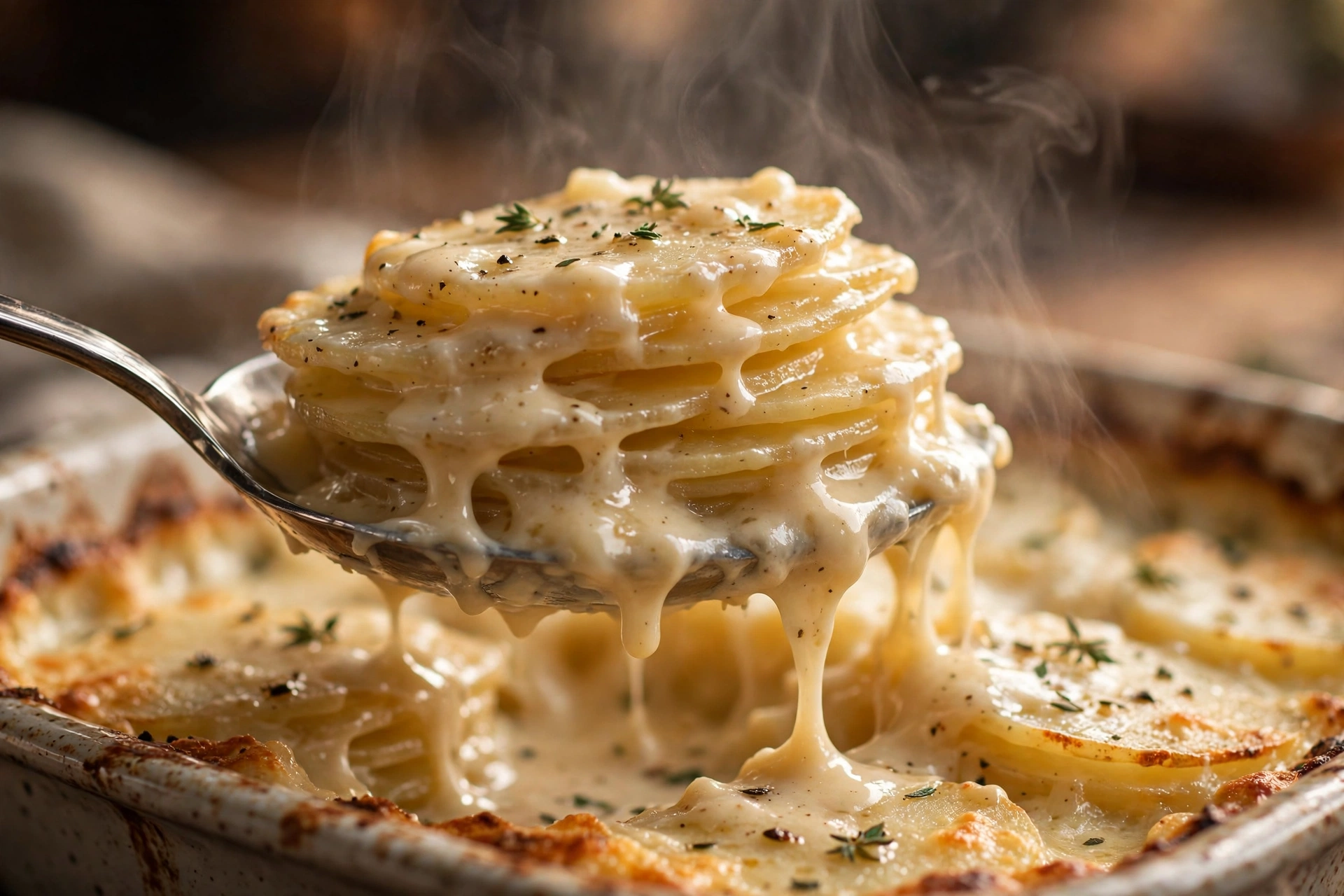
This short simmer is the heart of the recipe, and it earns its place three ways. First, it guarantees tender slices, because the potatoes get a head start in hot liquid instead of waiting for oven heat to fight through layer after layer. Second, it seasons the potatoes themselves rather than just the sauce around them. Salt and garlic in the simmering cream reach every slice, which is why the finished dish tastes seasoned all the way through. Third, it protects the sauce. Cream that has already absorbed a little potato starch is far less likely to split or turn thin and watery in the oven, the two flaws that haunt this dish. Watch the pot rather than the clock alone. The slices should bend slightly and look glossy at the edges, never soft enough to snap when lifted. If they resist the spatula, give them one more minute. One caution: keep the simmer gentle. A hard boil will break the thinnest slices and cloud the cream with starch before its time, so low heat and a patient fold are the whole technique. Use the widest pot you own for this stage. The slices need room to move in a single loose mass, not a packed column, and a wide surface means the cream heats evenly and quickly. A Dutch oven is perfect here. If a few slices crack at the edges during the fold, do not worry for a second. Slide the broken pieces into the middle layers of the dish, keep the prettiest rounds for the top, and nobody will ever know.Scalloped or Au Gratin? The Difference on Your Plate
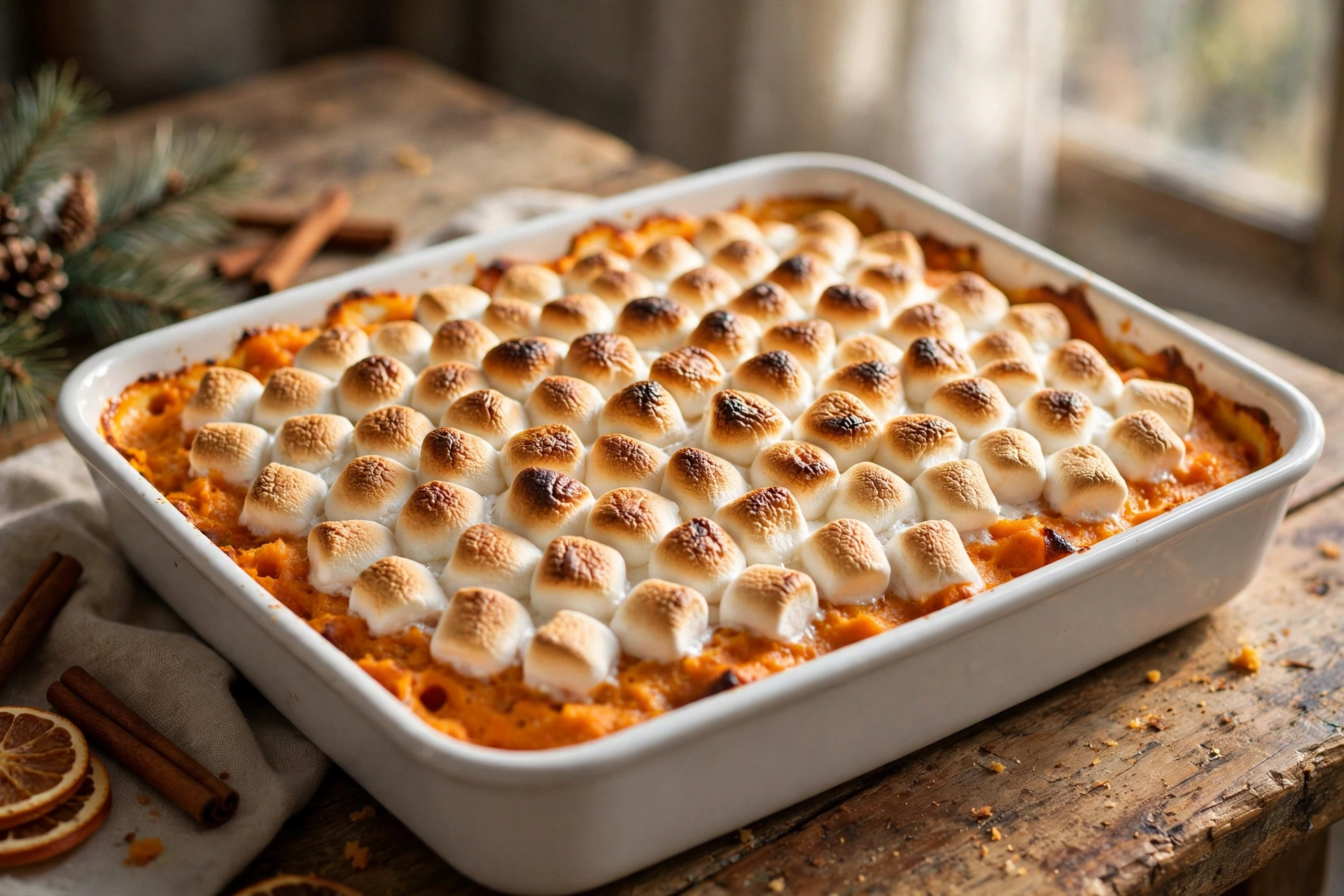
The two dishes get tangled together constantly, so here is the simple rule I use. Scalloped potatoes are sliced potatoes baked in a seasoned cream or milk sauce, traditionally with no cheese melted into the sauce at all. Au gratin potatoes add cheese between the layers and a browned, often breadcrumb finished top, a richer and heavier dish. The gratin family in French cooking is defined by that golden crust, not by the potatoes themselves. This recipe stays loyal to the scalloped side: cream, aromatics, and just an optional dusting of parmesan at the end for those who want a hint of the gratin experience. The result is lighter on a crowded holiday plate. If your table insists on full gratin energy, fold a cup of grated gruyere between the layers and double the parmesan on top. The method does not change, only the richness, and the simmer still protects your slices. Alongside classic sweet potato casserole, the plain cream version is the one I choose. Two very rich, cheesy sides compete; a silky, garlicky one complements.Lighter Swaps That Keep the Scalloped Potatoes Creamy
For a lighter pan, swap half the cream for whole milk and add a teaspoon of cornstarch whisked into the cold milk before it goes into the pot. The sauce stays glossy, and the simmer still does the thickening work. Half and half can replace both the cream and milk at a one to one ratio. The texture lands between the two versions, silky but not heavy, and the bake time stays exactly the same. A cauliflower trick works better than it sounds: replace a quarter of the potato slices with thin cauliflower slices. They disappear into the layers, lighten the dish, and add a gentle sweetness nobody can quite identify. Per serving, the classic version lands around 355 calories with 24 grams of fat, 29 grams of carbohydrates, 5 grams of protein, and 2 grams of fiber. The lighter milk version trims that to roughly 260 calories without losing the soul of the dish. Skip low fat milk entirely, whatever you do. Its thinness defeats the sauce, and no simmer can rescue a watery cream. If dairy is the issue, full fat oat cream is the one substitute that behaves properly in the oven.Assemble Tonight, Bake Tomorrow: The Make-Ahead Plan
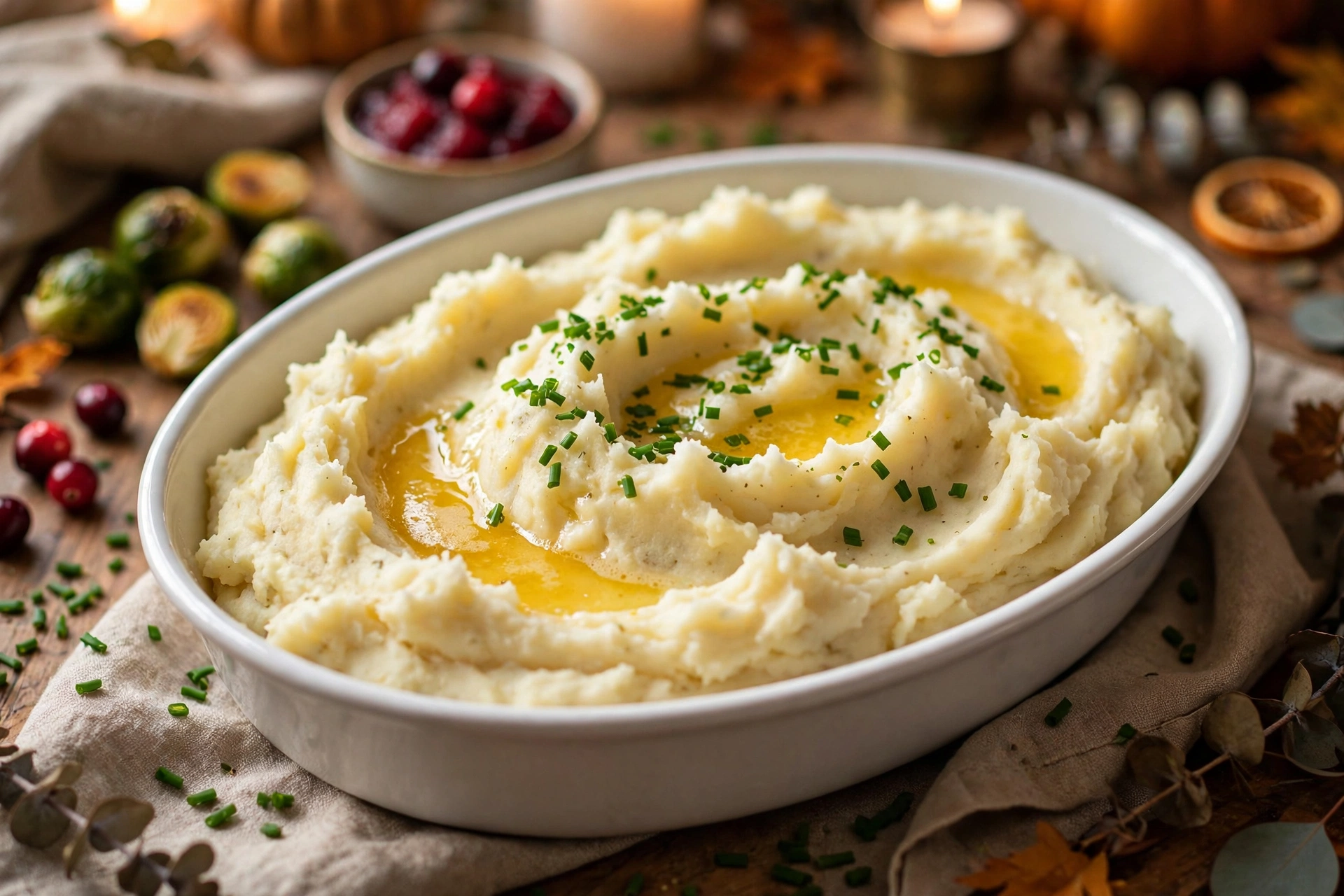
Thanksgiving rewards the cook who front loads the work, and scalloped potatoes are the easiest side on the menu to move a day earlier. The simmer and assembly happen tonight; only the bake waits for tomorrow. Simmer and layer the dish exactly as written, then let it cool for 30 minutes, cover tightly, and refrigerate for up to 24 hours. The slices rest in seasoned cream overnight, which many cooks swear improves the flavor. Bake it straight from the fridge, covered, at the same temperature, adding 10 to 15 minutes to the covered stage. Uncover, add the parmesan, and finish as written once the center bubbles. One small detail makes the overnight version even better: hold back a quarter cup of the seasoned cream before you assemble. Drizzle it over the top just before baking, and the surface layers, which drink up sauce as they sit, come out as silky as the middle. Label the dish before it goes into the fridge, with the baking temperature and the two stage times written on the foil. On a crowded holiday morning, nobody in the kitchen should have to guess which covered dish is which. The same logic helps a regular Sunday. Assemble in the morning, bake in the evening, and the hardest part of dinner is done before anyone arrives, much like our make-ahead mashed potatoes that share the oven schedule beautifully. Freezing works too, with one rule: freeze the baked dish, never the raw one. Raw potato slices darken and weep in the freezer, while a baked casserole freezes for 2 months and reheats like it was made yesterday.Storing and Reheating Scalloped Potatoes
Leftovers keep their composure for up to 4 days in the refrigerator, covered tightly in their baking dish or moved to a sealed container. The cream may look firmer when cold; that is starch doing its job, not a flaw. Reheat portions in a 325°F oven, covered with foil and splashed with a spoonful of milk, for 20 to 25 minutes. The gentle heat and extra moisture bring the sauce back to silk without splitting it. The microwave handles single servings in about 2 minutes at medium power, stirred once halfway. The texture is softer than the oven version, but on a quiet weeknight it is deeply comforting all the same. Serve the leftovers with something crisp and green to cut the richness, or slide a fried egg on top for breakfast. Few leftovers in the holiday canon work this hard across this many meals. So here is the promise of this version: scalloped potatoes with slices that are tender all the way through, a sauce that coats instead of pools, and a method calm enough for the busiest cooking day of the year. It has become the potato dish my family requests by name. Make it once for a holiday and it will quietly become the standard every other version gets measured against. From my kitchen to yours, Rita.FAQ
Why are my scalloped potatoes still hard in the middle?
The slices were too thick, uneven, or went into the oven raw under cold sauce. Slice a true 1/8 inch, and use the 6-minute simmer in hot cream before baking: the potatoes start cooking on the stove, so the oven only has to finish them evenly.
Can I use russet potatoes instead of Yukon Gold?
Yes, with one adjustment. Russets release more starch, which thickens the sauce nicely, but their slices break apart more easily. Simmer them for 4 to 5 minutes instead of 6, and fold them very gently so the layers stay intact.
Why did my cream sauce split or turn watery?
A hard boil or a very lean dairy is usually the cause. Keep the simmer gentle, use full fat cream, and let the sliced potatoes release their starch into the sauce before baking. The 15-minute rest after baking also lets the sauce set to its final consistency.
Can I double scalloped potatoes in a 9×13 dish?
Yes. Double every ingredient, use a 9×13 inch dish, and keep the simmer at 6 minutes in two batches if your pot is crowded. Bake covered for 40 minutes, then uncovered for 18 to 20, and rest the full 15 minutes before serving.
Do scalloped potatoes freeze well?
The baked casserole freezes beautifully for up to 2 months. Cool it, wrap the dish in plastic and foil, and thaw overnight in the refrigerator. Reheat covered at 325°F with a splash of milk for 25 minutes. Never freeze the raw assembled dish, as the slices darken and turn watery.
Scalloped Potatoes
Thin Yukon Gold slices simmered in garlic thyme cream before baking, so every layer turns tender and the sauce stays silky. The classic scalloped style, with an optional parmesan finish, and a full make-ahead plan.
- Total Time: 1 hour 25 minutes
- Yield: 8 servings 1x
Ingredients
- 3 pounds Yukon Gold potatoes, scrubbed and sliced 1/8 inch thick
- 2 tablespoons unsalted butter, plus more for the dish
- 2 garlic cloves, finely minced
- 2 cups heavy cream
- 1 cup whole milk
- 2 teaspoons fresh thyme leaves (or 3/4 teaspoon dried thyme)
- 1 bay leaf
- 1 teaspoon fine sea salt
- 1/2 teaspoon freshly ground black pepper
- 1/4 teaspoon freshly grated nutmeg
- 1/4 cup finely grated parmesan, optional, for the top
- 1 tablespoon snipped chives, for serving
Instructions
- Heat the oven to 375°F (190°C). Butter a 2-quart baking dish generously, up the sides as well as the base.
- Pour the cream and milk into a wide, heavy pot. Stir in the garlic, thyme, bay leaf, salt, pepper, and nutmeg, then warm over medium heat until steaming with small bubbles at the edges, about 3 minutes.
- Slide the drained, dried potato slices into the hot cream. Reduce the heat to low and simmer gently for 6 minutes, folding the slices once or twice with a spatula so they soften evenly without breaking.
- Fish out the bay leaf. Using a slotted spoon, lift the slices into the prepared dish in loose, even layers, letting plenty of cream cling to them as you go.
- Pour the remaining cream from the pot over the layers until it comes about two thirds of the way up the sides of the potatoes. Press down gently so the top layer settles into the cream.
- Cover the dish tightly with foil and bake for 30 minutes, until the cream bubbles lazily around the edges.
- Remove the foil, scatter the parmesan over the top if using, and bake 15 to 18 minutes more, until the surface is golden in spots and a knife slips through the center with no resistance.
- Rest the dish on the counter for 15 minutes so the sauce finishes thickening. Scatter with chives and serve warm.
- Prep Time: 20 minutes
- Cook Time: 50 minutes