

Chef Rita here with a recipe that transforms holiday leftovers into something truly special. This leftover turkey soup arrives as a measured comfort: clear, warm, and quietly bright. A single pot builds layers of gentle flavor through careful seasoning and patient simmering. The silky broth tastes of bay leaves and fresh herbs, while tender shredded turkey and softened vegetables offer delicate contrast in every spoonful. What makes this soup work is restraint. I use quality chicken broth, minimal handling of the poultry, and precise seasoning to keep each element distinct. The vegetables are sweated gently to build foundational sweetness without overpowering the delicate meat. This is the kind of dish that rewards attention to small details: uniform vegetable pieces, fresh parsley scattered at the end, and a final grind of pepper that awakens the whole bowl. Perfect for cool evenings or anytime you need something nourishing and light.
Pro Tips from Chef Rita
- Start with quality chicken broth; its clarity and flavor set the tone for the entire soup
- Shred turkey by hand rather than using a food processor to preserve tender texture and avoid mushiness
- Season in stages during cooking, then taste and adjust at the table to preserve subtle flavor balance
- If soup tastes flat, a small splash of fresh lemon juice or vinegar often revives brightness instantly
Table of Contents
Leftover Turkey Soup arrives like a measured exhale: clear, warm, and quietly bright, a bowl that turns lean remnants into something quietly luxurious.
The broth tastes of gentle simmer and late-season herbs, while shredded meat and softened mirepoix offer tender contrast. If you want a richer riff, compare textures with our turkey pot pie soup for a denser, more indulgent take.
Serve it simply, steamed bowl in hand, and let the small details a fleck of parsley, the slow clarity of the stock do the talking.
Why This Recipe Works
Leftover Turkey Soup succeeds because of restraint: clear stock, precise seasoning, and minimal handling of the turkey to keep fibers delicate.
Sweating the onion, celery, and carrot builds a soft vegetal sweetness that frames the meat without masking it.
Bay leaves and fresh parsley provide aromatic lift rather than heavy-handed spicing, so each spoonful feels layered and clean.
Flavor and Texture
This soup is about contrast: silky broth against the slight chew of shredded turkey, and the gentle bite of celery and carrot.
On the tongue the broth feels restrained, brightened by parsley, with a savory depth from slow-simmered chicken stock.
The turkey contributes a soft, fibrous texture; when shredded finely it melts into the mouth, while slightly larger shards offer pleasing chew.
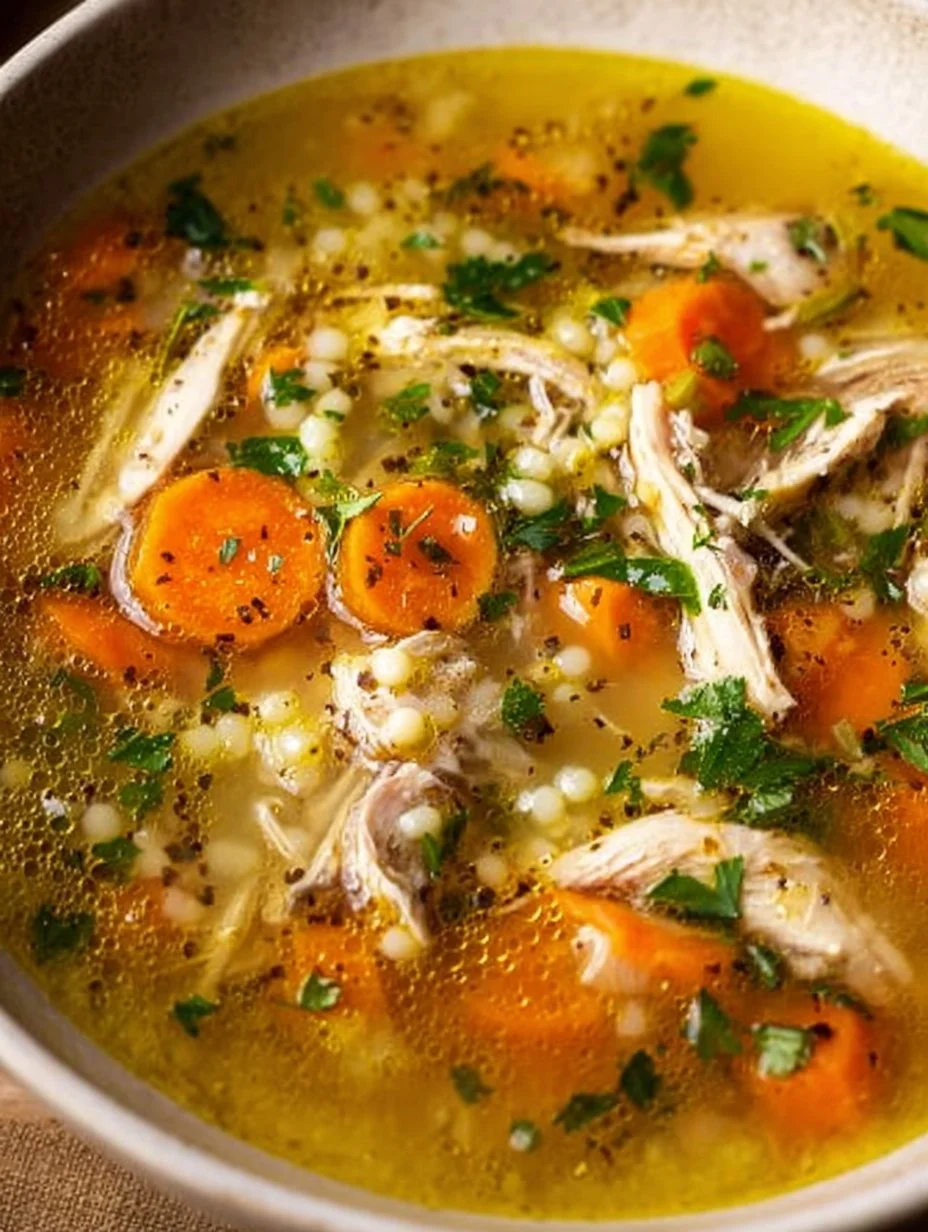
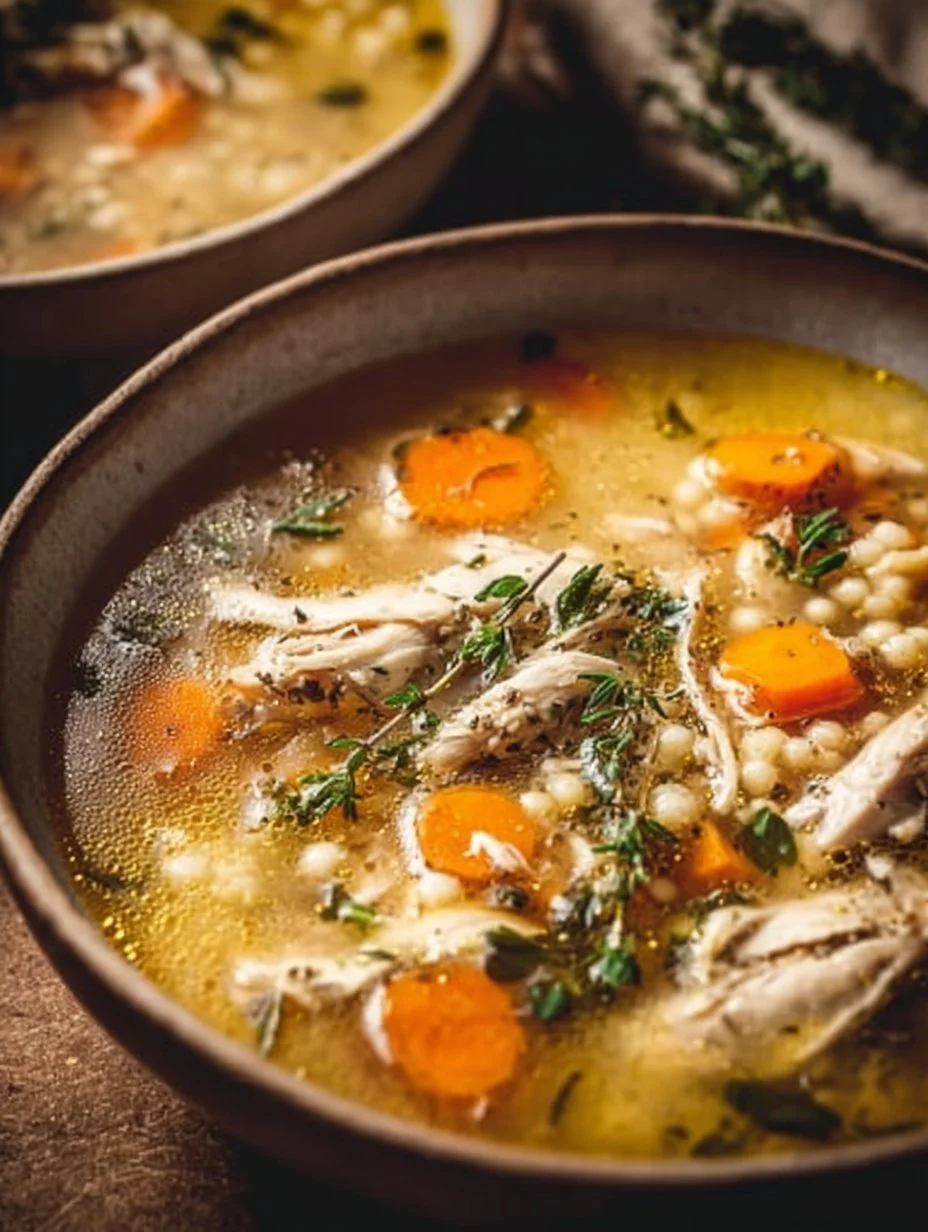
Visually, the pale gold of the liquid, the warm russet of turkey, and the green of chopped parsley make a modest but elegant bowl.
A short simmer after adding the turkey marries flavors without overcooking the meat, keeping it distinct in the spoon.
If you prefer a more pepper-forward profile, a few turns of fresh black pepper at the table sharpen each bite.
For contrast, consider the bright, piquant edge of a Chinese hot and sour soup when planning a multi-course lineup.
Warm bowls release steam that carries herb and bay notes first, framing the initial sip before tissues pick up the meat and vegetable details.
A scattering of parsley at the end adds a fresh, herbal snap that elevates aroma and appearance.
Convenience and Time
This recipe is designed for ease: most work is prep and a single simmer, making it ideal for weeknights.
Use leftover turkey or a rotisserie bird to shortcut the build of flavor without sacrificing depth.
Active hands-on time is minimal sweat the vegetables, add turkey and stock, and let the pot do the rest.
Twenty minutes of gentle simmer after the broth comes to a boil is long enough to knit flavors and soften vegetables while preserving texture.
Diet Friendly Options
The soup is naturally low in calories and adaptable for many diets without changing its identity.
Keep it gluten-free by ensuring your chicken broth is certified gluten-free and serve with gluten-free bread.
To reduce sodium, choose a low-salt broth and adjust seasoning at the table so the soup remains bright rather than flat.
For a lighter mouthfeel, finish with a squeeze of lemon at service to emphasize brightness without adding fat.
Ingredients
- 2 cups leftover turkey or rotisserie chicken, shredded
- 1 onion, chopped
- 2 stalks celery, chopped
- 2 carrots, chopped
- 2 bay leaves
- 1/4 cup fresh parsley, chopped
- 6 cups chicken broth
- Salt and pepper to taste
- 1 tablespoon olive oil
Step by Step Instructions
- In a large pot, heat olive oil over medium heat.
- Add onion, celery, and carrots, cooking until the vegetables are softened.
- Stir in shredded turkey or chicken.
- Pour in the chicken broth and add bay leaves, salt, and pepper.
- Bring the soup to a boil, then reduce heat and simmer for about 20 minutes.
- Stir in fresh parsley before serving.
- Remove bay leaves and enjoy your soup!
Tips and Tricks for Success
Start with good broth; its clarity and seasoning set the tone for the whole bowl.
Keep vegetables fairly uniform in size so they cook evenly and create a consistent bite.
Shred the turkey by hand rather than using a food processor to preserve texture and avoid mush.
Season in stages: lightly while cooking, then taste and finish at the table to preserve subtlety.
If the soup tastes flat, a small splash of acid lemon or a few drops of vinegar will often revive it.
Remove bay leaves before serving; they give background depth but are unpleasant to bite.
A final grind of fresh pepper and a few sprigs of parsley make a marked difference in aroma.
Ingredient Swaps
Chicken works perfectly in place of turkey with no change to the spirit of the dish.
For a heartier bowl, stir in a handful of cooked short pasta or pearl barley during the last ten minutes of simmering.
Swap olive oil for a neutral oil if you prefer a less fruity mouthfeel, or use a knob of butter at the end for silkiness.
Vegetable broth can replace chicken broth for a lighter profile; adjust salt and add a spoon of miso for umami if desired.
If you want a subtly smokier note, cook the vegetables a touch longer until deeply golden before adding liquid.
Pairings and Serving Suggestions
Serve this soup with a crisp, simple salad to offset the warm silk of the broth.
A crisp, seeded bread or a light flatbread provides textural contrast without overpowering delicate flavors.
For grape juice, pick a light white with clean acidity to match the soup’s brightness; a dry Chenin Blanc or unoaked Chardonnay works well.
A bowl makes a civilized starter or an easy, reflective main when paired with roasted vegetables.
A small plate of pickled vegetables on the side introduces a bright counterpoint that enlivens each spoonful.
Garnish sparingly a bit of parsley and a few cracks of black pepper maintain the soup’s modern restraint.
Storage and Make Ahead Tips
Leftover Turkey Soup keeps well and gains subtle depth after a day in the fridge.
Cool quickly and store in an airtight container; consume within two to three days for best texture.
If freezing, leave out delicate herbs and add fresh parsley when reheating to restore brightness.
Reheat gently over low heat to prevent the turkey from tightening and the broth from becoming cloudy.
For make-ahead service, prepare the base a day ahead and bring to a gentle simmer before serving to marry flavors.
Nutrition and Health Benefits
This soup provides lean protein from turkey and a light, mineral-rich broth that hydrates and soothes.
Vegetables add fiber and micronutrients, while moderate olive oil contributes healthy monounsaturated fats.
A low-sodium broth and controlled seasoning make it suitable for mindful eating without sacrificing flavor.
The warm liquid and simple textures make it easy to digest and comforting when appetite is low.
Mistakes to Avoid
Do not over-simmer the turkey; too-long cooking dries the meat and undermines the gentle texture.
Avoid adding too much salt at the start concentrated reduction can leave the final bowl overly salty.
Skipping the sweat stage for vegetables robs the broth of foundational sweetness and depth.
Do not forget to remove bay leaves before serving; they are for aroma, not eating.
Resist the urge to overload with strong spices that will obscure the subtle interplay of stock and poultry.
Personal Closing Thought and Call to Action
This soup rewards small attentions: careful seasoning, patient simmering, and a final scatter of parsley.
It is a quiet dish that celebrates thrift and flavor in equal measure.
Try it on a cool evening and notice how the simplest techniques yield something quietly refined.
If you make it, share your notes and a photo we love seeing how readers personalize the recipe.
Conclusion
Leftover Turkey Soup is an elegant, practical way to celebrate leftover poultry and soothing broths; for an alternative take and extra inspiration, see Leftover Turkey Soup Recipe – Vikalinka.
Leftover Turkey Soup
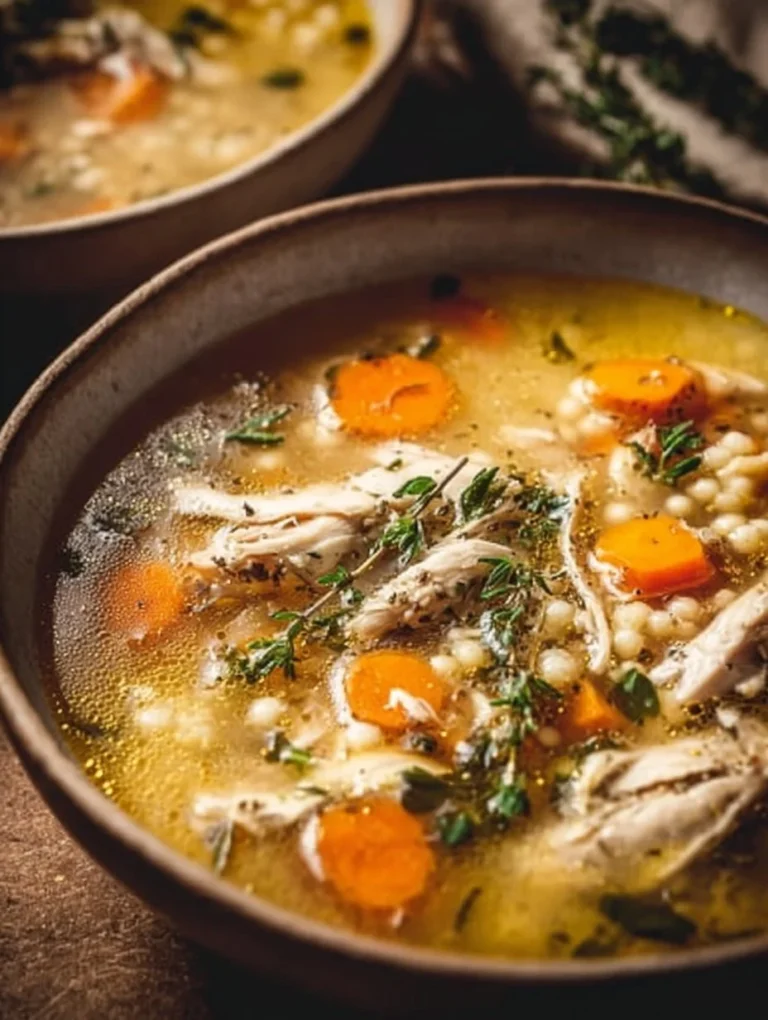
A comforting soup that transforms leftover turkey into a silky, bright dish with fresh herbs and tender vegetables.
-
Total Time:
35 minutes -
Yield:
4 servings 1x
Ingredients
Scale
- 2 cups leftover turkey or rotisserie chicken, shredded
- 1 onion, chopped
- 2 stalks celery, chopped
- 2 carrots, chopped
- 2 bay leaves
- 1/4 cup fresh parsley, chopped
- 6 cups chicken broth
- Salt and pepper to taste
- 1 tablespoon olive oil
Instructions
- In a large pot, heat olive oil over medium heat.
- Add onion, celery, and carrots, cooking until the vegetables are softened.
- Stir in shredded turkey or chicken.
- Pour in the chicken broth and add bay leaves, salt, and pepper.
- Bring the soup to a boil, then reduce heat and simmer for about 20 minutes.
- Stir in fresh parsley before serving.
- Remove bay leaves and enjoy your soup!
Notes
For a lighter mouthfeel, finish with a squeeze of lemon at service. Store leftovers in an airtight container for up to 3 days.
- Prep Time: 15 minutes
- Cook Time: 20 minutes
- Category: Soup
- Method: Simmering
- Cuisine: American
Nutrition
- Serving Size: 1 serving
- Calories: 250
- Sugar: 4g
- Sodium: 300mg
- Fat: 8g
- Saturated Fat: 1g
- Unsaturated Fat: 7g
- Trans Fat: 0g
- Carbohydrates: 20g
- Fiber: 3g
- Protein: 25g
- Cholesterol: 70mg
Frequently Asked Questions
Can I make leftover turkey soup ahead of time?
Yes, this soup improves with time. Prepare the base a day ahead and refrigerate in an airtight container for up to three days. Reheat gently over low heat before serving. For freezing, omit fresh parsley and add it when reheating to restore brightness and herbal snap.
What can I substitute for leftover turkey in this recipe?
Rotisserie chicken works perfectly with no changes to flavor or technique. Shredded duck also creates an elegant variation. For vegetarian versions, use additional mushrooms or white beans to add heartiness and protein without changing the soup’s essence.
How long should I simmer leftover turkey soup?
Twenty minutes of gentle simmering after bringing the broth to a boil is ideal. This knits flavors together while keeping the turkey tender and preventing the meat from becoming tough. Avoid overcooking, which dries out leftover poultry and undermines delicate texture.
Is this soup naturally gluten-free?
Yes, this recipe is naturally gluten-free when made with certified gluten-free chicken broth. Verify your broth label and serve with gluten-free bread if needed. The vegetables, turkey, and herbs contain no gluten, making it safe for gluten-sensitive diets.
What vegetables work best in leftover turkey soup?
Carrots, celery, and onions form the traditional base and cook evenly when cut to uniform size. You can add diced potatoes, fresh spinach, or mushrooms during the final ten minutes. Keep pieces fairly uniform so everything finishes cooking at the same time.
Final Thoughts
Leftover turkey soup celebrates thrift and elegance in equal measure. This recipe proves that simplicity and careful technique yield something quietly refined. For a heartier alternative, try our High Protein Chicken Orzo with Mediterranean Vegetables for a more substantial weeknight meal. If you make this soup, share your notes and photos in the comments below. Chef Rita loves seeing how readers personalize recipes with their own touches.