

Table of Contents
We’ve all been there—spending hours on a Chicken Biryani recipe only to find the rice overcooked and the spices muted. The frustration of investing time and effort, only to be met with a lackluster dish, is enough to make anyone wary of attempting it again. The delicate balance of flavors and textures in Chicken Biryani can easily tip into disaster without precise control. It’s a culinary challenge that many home cooks find daunting, often leading to disappointment.
But imagine a Chicken Biryani where each grain of rice remains distinct, infused with aromatic spices, and the chicken is tender and flavorful. The saffron and cardamom notes are perfectly pronounced, creating a sensory experience that lingers. Achieving this level of perfection requires understanding the intricate dance of heat, timing, and ingredient interaction. It’s these nuances that transform a simple dish into an unforgettable feast.
What Makes These Chicken Biryani Recipes Different
Temperature control is paramount when creating Chicken Biryani. The key is to cook the rice and chicken separately before layering them together, allowing each component to reach its ideal texture. Many recipes overlook the importance of using a heavy-bottomed pot, which ensures even heat distribution and prevents burning. By focusing on these technical aspects, we achieve a biryani that is both aromatic and structurally sound.
Ingredient interactions play a critical role in the success of Chicken Biryani. The layering technique allows the spices to permeate the chicken and rice evenly, creating a cohesive flavor profile. Using fresh spices and herbs, rather than pre-mixed powders, ensures a vibrant and authentic taste. This attention to detail sets our recipes apart, offering a depth of flavor that is often missing in less considered versions.
Structural results are another factor that distinguishes these recipes. The use of a tight-fitting lid traps steam, allowing the rice to cook through without becoming mushy. This method also helps the chicken retain its moisture, resulting in tender, succulent pieces. By addressing these often-ignored elements, we provide a guide that leads to consistently outstanding Chicken Biryani.
The Best Chicken Biryani Recipes (Handpicked & Tested)
1. Classic Hyderabadi Chicken Biryani
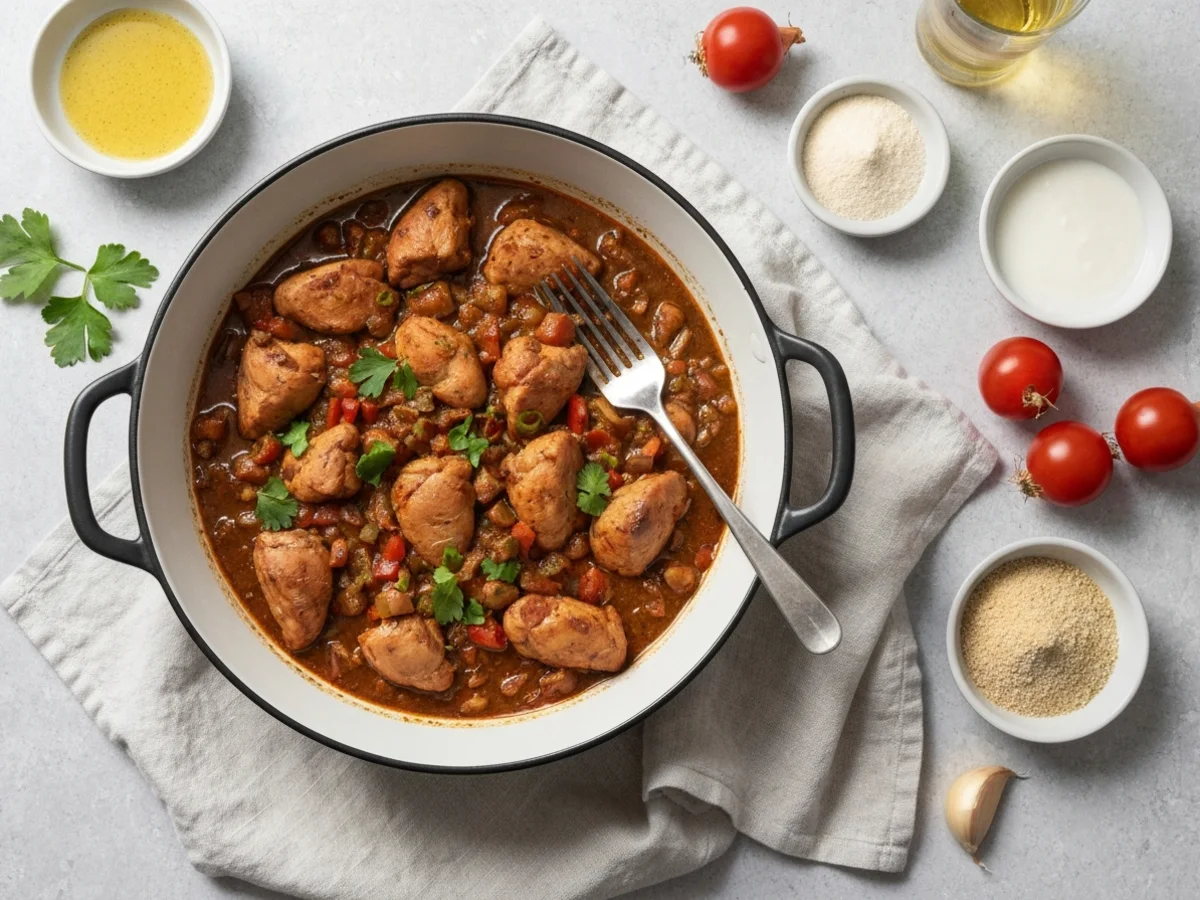
The basmati rice, perfectly fluffy, contrasts with the rich, spiced chicken nestled beneath. Each bite offers a burst of saffron and cardamom, a hallmark of Hyderabadi style. Many struggle with the rice clumping together, but this recipe solves that with a precise soaking technique. How does the marination time impact the overall flavor?
▶ Next in this collection: Crockpot Meals: 8 Tips For Effortless Meal Prep
2. Quick One-Pot Chicken Biryani
Golden-hued rice mingles with juicy chicken pieces, all cooked in one pot for convenience. The spices meld seamlessly, creating a cohesive yet complex flavor profile. Often, one-pot methods result in uneven cooking; this recipe ensures uniformity with strategic layering. What is the secret to achieving even cooking in a single pot?
Get the Full Recipe →3. Spicy Andhra Chicken Biryani
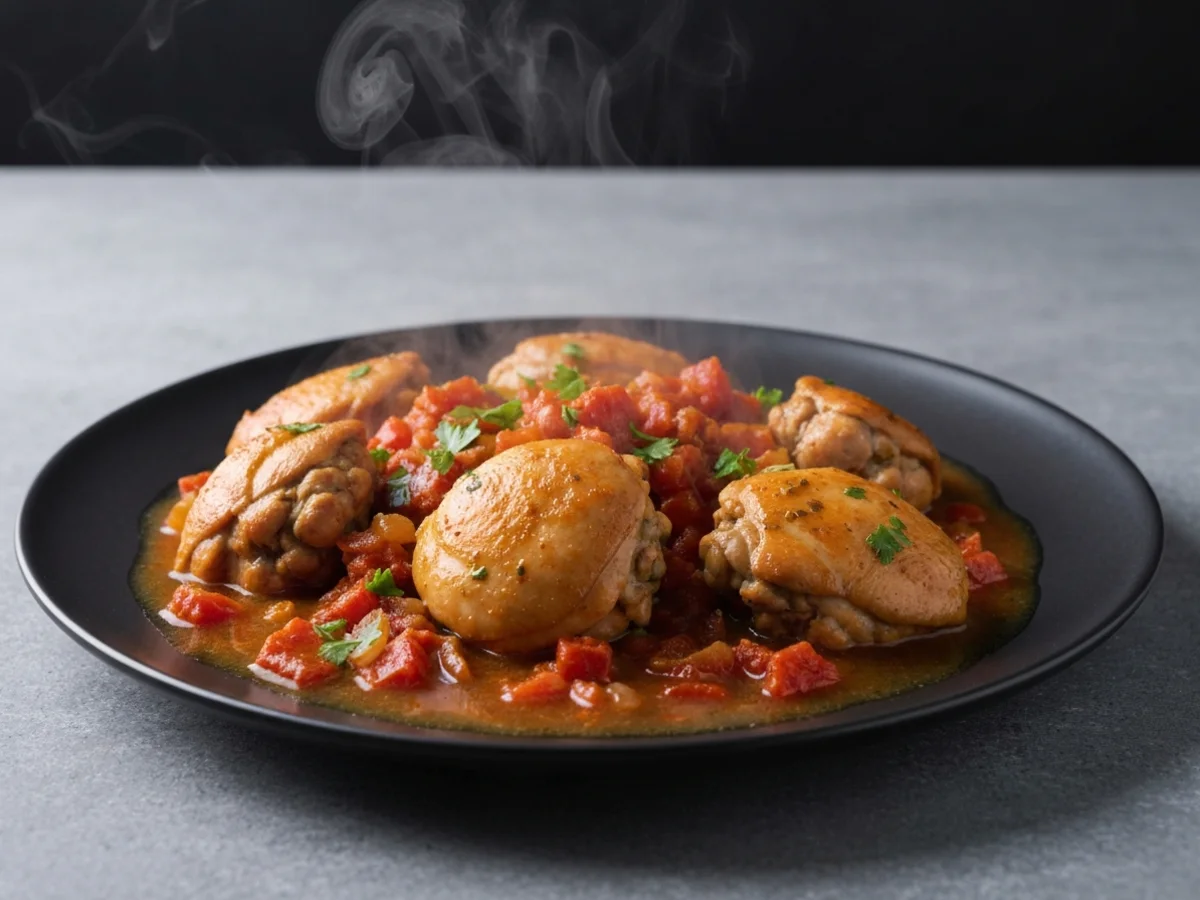
This version packs a punch with its fiery spice blend, balanced by the cooling effect of mint and yogurt. The rice remains separate and fluffy, a testament to precise cooking techniques. Many find it challenging to manage the heat level without overpowering the dish. What ingredient helps balance the intense spices without dulling them?
▶ Next in this collection: Crockpot Meals: 8 Chef Tips For Effortless Flavor
4. Dum Chicken Biryani
Aromatic steam escapes as you uncover the pot, revealing perfectly cooked layers of rice and chicken. The slow-cooking dum method ensures deep flavor penetration. Commonly, the rice can become mushy in dum cooking, but this recipe maintains integrity with a specific steam control technique. What role does the dough seal play in this method?
Get the Full Recipe →5. Mughlai Chicken Biryani
Rich and indulgent, this biryani features a creamy sauce that envelops tender chicken and fragrant rice. The use of whole spices imparts a nuanced aroma that is unmistakably Mughlai. Achieving the right sauce consistency is a common hurdle, but this recipe guides you through it with precision. What is the key to preventing the sauce from breaking?
▶ Back to first recipe: Crockpot Meals: 8 Tips For Effortless Weeknight Dinners
Expert Tips for Perfect Chicken Biryani
- Always soak your rice for at least 30 minutes. This allows the grains to absorb water, preventing them from breaking during cooking.
- Use a heavy-bottomed pot for cooking. It ensures even heat distribution and minimizes the risk of burning.
- Layer the ingredients carefully, starting with rice. This method ensures even flavor distribution and prevents the chicken from becoming dry.
- Seal the pot with a tight-fitting lid or dough. This traps steam, cooking the rice and chicken evenly and preserving moisture.
- Let the biryani rest for 10 minutes after cooking. This resting period allows the flavors to meld and the rice to firm up slightly.
Frequently Asked Questions
What is the most common mistake when making Chicken Biryani?
A frequent mistake is overcooking the rice, leading to a mushy texture. This often occurs when the rice is not soaked properly or cooked at too high a temperature. Ensuring the right water-to-rice ratio and cooking time is crucial for achieving the desired texture.
How does temperature affect Chicken Biryani?
Temperature control is vital for the texture and flavor of Chicken Biryani. Cooking at a high temperature can cause the rice to cook too quickly, resulting in uneven grains. Maintaining a moderate heat allows for even cooking and flavor infusion.
Can I prep Chicken Biryani in advance?
Yes, you can prepare certain components in advance, such as marinating the chicken and parboiling the rice. Store them separately to maintain their integrity. Assemble and cook the biryani when ready to serve for optimal results.