
I’m Chef Rita, and this tomato ricotta pasta is my go-to weeknight dinner that tastes like you spent hours in the kitchen. The magic happens when you fold creamy ricotta into a simmering tomato sauce, creating a smooth, glossy coating that clings to every strand of pasta. Fresh basil and Parmesan round out the flavors beautifully. The key is using room-temperature ricotta and keeping the heat low when combining it with the sauce. This simple pasta dish proves that with quality ingredients and proper technique, you can create something refined in under 30 minutes. Whether you’re cooking for yourself or feeding a family, this recipe adapts easily and rewards your attention to detail at the finish line.
Pro Tips from Chef Rita
- Reserve at least half a cup of pasta water before draining your noodles. A splash of this starchy liquid restores silkiness if your sauce thickens too much during cooking.
- Let your ricotta sit at room temperature for 15 minutes before folding it in. Cold ricotta will shock the warm sauce and create lumps instead of a creamy texture.
- Toast minced garlic gently in olive oil until fragrant but still translucent. Browning it will darken your sauce and create bitter notes that overpower the delicate ricotta.
- Taste your crushed tomatoes before seasoning the entire dish. Acidity varies by brand, so adjust salt and balsamic vinegar gradually at the end.
Table of Contents
Tomato Ricotta Pasta arrives as a quick, refined weeknight main, its sauce glossy and singing. The first bite combines warm tomato tang with a cool ricotta hush, a texture duet that feels deliberate and effortless.
This recipe relies on simple technique: a brief simmer to concentrate tomatoes, and ricotta folded in off heat to keep the sauce airy. If you like creamy-tomato contrasts, try the sun-dried tomato spinach ricotta grilled cheese for a playful weekday shift.
Why This Recipe Works
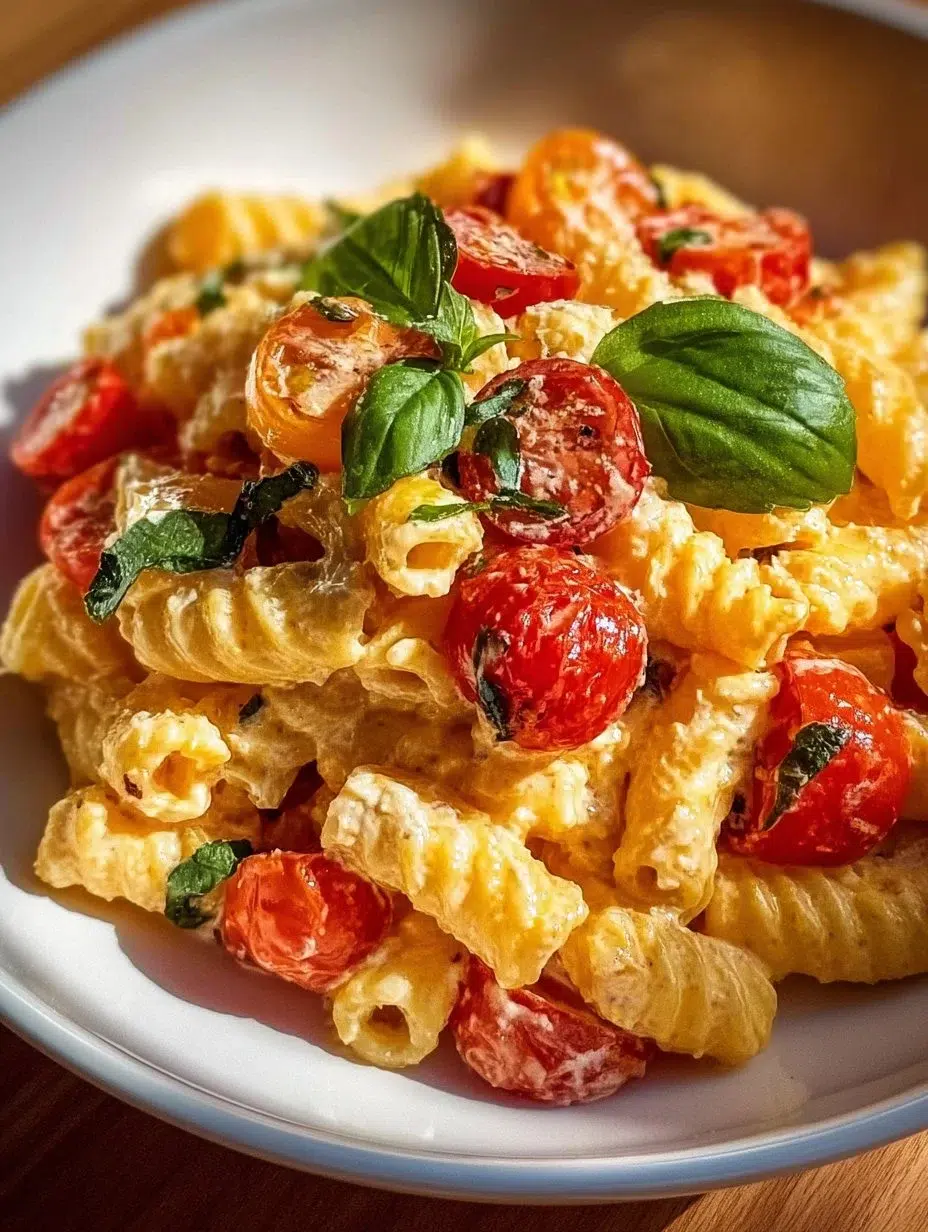
Tomato Ricotta Pasta balances bright acidic tomato and cool, pillow-soft ricotta. A brief simmer focuses the tomato flavor, while folding in ricotta low and slow transforms a chunky sauce into a satin veil that coats pasta without weighing it down.
Garlic warms the base; oregano and basil ground the aroma; Parmesan adds a faint umami bite. Finished with fresh herbs and an optional splash of balsamic, the dish reads simple but tastes nuanced.
Flavor and Texture
Tomato Ricotta Pasta offers a silk-and-crunch contrast the moment it hits the fork. The ricotta gives a soft, creamy mouthfeel; Parmesan creates a whisper of grain and salt that sharpens the finish.
Garlic and olive oil create a toasted, savory undernote, while a sprinkle of red pepper flakes lifts the flavor with a polite heat. The reserved pasta water binds sauce and noodles into a glossy, clingy coating rather than a puddle.
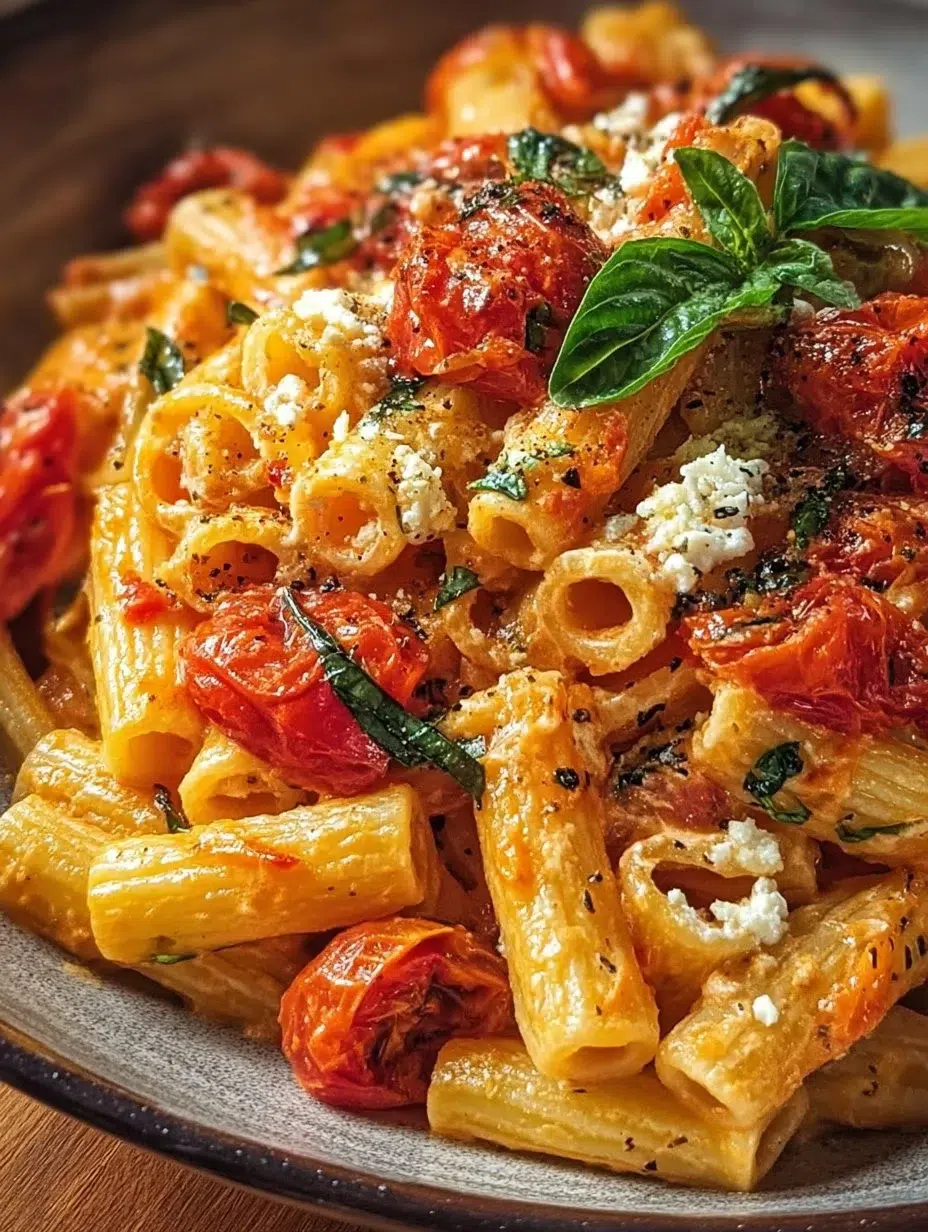
Serve warm so ricotta melts slightly and the sauce breathes steam; cool slightly if you want a more defined ricotta pillow. Visually, the dish is a study in contrasts: ruby tomato, razor-green basil, and pale, cloud-like cheese.
Convenience and Time
Tomato Ricotta Pasta cooks in the time it takes to set a table and chill a glass of sparkling water. Bring salted water to a boil and the pasta will be al dente before the sauce needs anything more than a stir.
The sauce is forgiving; if it thickens too much, a splash of saved pasta water restores silkiness. Leftovers reheat well and actually mellow in flavor, making this a strong candidate for quick dinner plans or modest meal prep.
Diet Friendly Options
Tomato Ricotta Pasta adapts easily for gluten-free diets and lighter plates without losing its voice. Use gluten-free pasta or a legume-based noodle for higher protein, and choose whole-milk or part-skim ricotta depending on desired richness.
To make it vegetarian while keeping depth, increase the Parmesan slightly or use a robust, fermented vegan alternative. Keep the balance of acid and cream the same; that contrast is the identity of the dish.
Ingredients
- 12 oz (340g) pasta (such as spaghetti, penne, or fettuccine)
- 2 tbsp olive oil
- 2 cloves garlic, minced
- 1 can (14.5 oz) crushed tomatoes
- 1 tsp dried oregano
- 1/2 tsp dried basil
- 1/4 tsp red pepper flakes (optional)
- Salt and pepper to taste
- 1/2 cup ricotta cheese
- 1/4 cup grated Parmesan cheese
- Fresh basil or parsley for garnish
- Optional: 1 tbsp balsamic vinegar for added depth of flavor
Step by Step Instructions
Before you toss, let Tomato Ricotta Pasta rest a minute to marry flavors.
-
Cook the pasta: Bring a large pot of salted water to a boil. Add the pasta and cook according to package directions until al dente. Drain, reserving about 1/2 cup of pasta water, and set aside.
-
Prepare the sauce: While the pasta cooks, heat olive oil in a large skillet over medium heat. Add the minced garlic and cook for 1, 2 minutes, until fragrant but not browned.
-
Add the tomatoes and seasonings: Pour in the crushed tomatoes, dried oregano, dried basil, and red pepper flakes if using. Stir and bring to a simmer. Let it cook for about 5, 7 minutes to meld the flavors and slightly concentrate the sauce.
-
Stir in the ricotta: Reduce the heat to low and stir in the ricotta cheese. Continue to cook another 2, 3 minutes, until the sauce is creamy and warmed through. If the sauce seems too thick, add a little reserved pasta water to achieve a smooth consistency.
-
Combine pasta and sauce: Add the drained pasta to the sauce and toss gently to coat. Add the grated Parmesan and toss again so every strand is lightly cloaked in sauce.
-
Taste and adjust: Season with salt and pepper as needed. If you like, drizzle a little balsamic vinegar for extra depth and a touch of sweetness.
-
Serve: Plate the pasta and garnish with fresh basil or parsley. Serve immediately and enjoy.
Tips and Tricks for Success
Tomato Ricotta Pasta benefits from carrying a reserved bit of pasta water; add it slowly to reach a glossy suspension that clings to noodles. Use room-temperature ricotta to avoid chilling the sauce and to help it incorporate smoothly without separating.
Toast the garlic gently in olive oil until translucent and fragrant, not browned, to keep the sauce clean and bright. Taste as you go crushed tomatoes vary in acidity, and a touch of salt or balsamic can balance one can to the next.
Ingredient Swaps
Tomato Ricotta Pasta works with small substitutions when needed. Swap ricotta for a blended cottage-cheese-and-cream mixture for a slightly tangier profile, or use a plant-based ricotta if avoiding dairy; expect a subtle shift in mouthfeel.
If you prefer a smokier note, add a few teaspoons of tomato paste browned briefly in the oil before adding crushed tomatoes. Keep seasonings modest so the ricotta’s creaminess remains the central counterpoint.
Pairings and Serving Suggestions
Tomato Ricotta Pasta pairs well with a crisp green salad dressed simply with lemon and olive oil, the acidity cutting through the cheese. Roast vegetables such as asparagus or zucchini alongside to introduce a charred, earthy counterpoint.
For a more composed meal, serve this pasta beside lighter seafood like a lemon-and-herb grilled shrimp or the bright, garlicky notes of creamy garlic shrimp pasta to echo texture while varying protein.
Storage and Make Ahead Tips
Tomato Ricotta Pasta stores well for two to three days in an airtight container. Hold sauce and pasta separately if you plan to reheat, adding a splash of reserved pasta water or milk to restore silkiness on the stovetop.
For make-ahead dinners, cook the sauce and keep it chilled; fold in ricotta and combine with pasta just before serving for the freshest texture. Avoid freezing once ricotta is mixed in, as the texture will change.
Nutrition and Health Benefits
Tomato Ricotta Pasta provides a balance of carbohydrates, protein, and fat when made with whole-grain or legume pastas and a moderate amount of ricotta. Tomatoes supply vitamin C and lycopene, while ricotta adds calcium and whey protein.
Adjust portions and ingredient choices to match caloric needs and dietary goals.
Mistakes to Avoid
Tomato Ricotta Pasta can lose its lift if ricotta is added to a rolling boil; fold it in off heat to maintain a light texture. Over-salting before tasting crushed tomatoes is common season gradually and adjust at the end.
Do not overcook the pasta; al dente noodles provide the best bite and hold the sauce. Avoid heavy-handed Parmesan; let it be a seasoning accent rather than the dominant flavor.
Personal Closing Thought and Call to Action
Tomato Ricotta Pasta is proof that restrained technique and good ingredients yield elegant results. The dish invites small alterations and rewards attention at the finish line, where a single basil leaf can change the melody.
Try it tonight and note the small details the timing of the ricotta, the amount of pasta water, and the final splash of balsamic. If this recipe resonates, share how you adapted it and subscribe for concise recipes that push pantry staples toward something intentional.
Conclusion
Tomato Ricotta Pasta is an unfussy, polished dish that highlights texture, temperature, and balance in equal measure. For an alternate method and a slight twist on the same idea, consult Tomato Ricotta Pasta Recipe – The Dinner Bite.
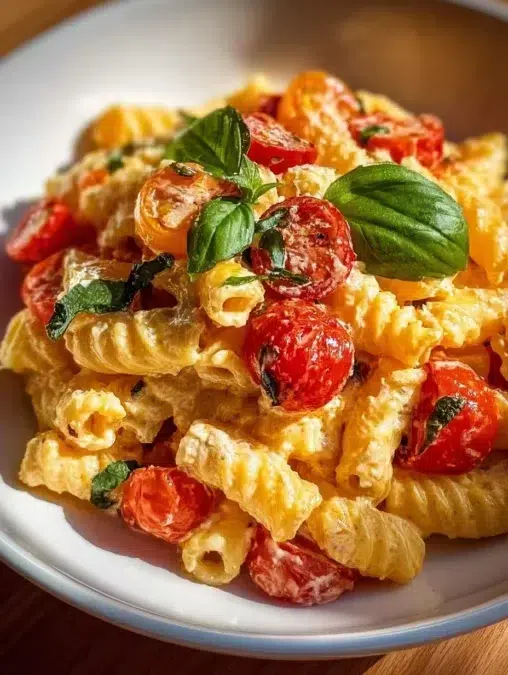
Tomato Ricotta Pasta
A quick, refined weeknight main dish that combines warm tomato tang with cool ricotta for a silky sauce that coats pasta perfectly.
-
Total Time:
35 minutes -
Yield:
4 servings 1x
Ingredients
Scale
- 12 oz (340g) pasta (such as spaghetti, penne, or fettuccine)
- 2 tbsp olive oil
- 2 cloves garlic, minced
- 1 can (14.5 oz) crushed tomatoes
- 1 tsp dried oregano
- 1/2 tsp dried basil
- 1/4 tsp red pepper flakes (optional)
- Salt and pepper to taste
- 1/2 cup ricotta cheese
- 1/4 cup grated Parmesan cheese
- Fresh basil or parsley for garnish
- Optional: 1 tbsp balsamic vinegar for added depth of flavor
Instructions
- Cook the pasta: Bring a large pot of salted water to a boil. Add the pasta and cook according to package directions until al dente. Drain, reserving about 1/2 cup of pasta water, and set aside.
- Prepare the sauce: While the pasta cooks, heat olive oil in a large skillet over medium heat. Add the minced garlic and cook for 1, 2 minutes, until fragrant but not browned.
- Add the tomatoes and seasonings: Pour in the crushed tomatoes, dried oregano, dried basil, and red pepper flakes if using. Stir and bring to a simmer. Let it cook for about 5, 7 minutes to meld the flavors and slightly concentrate the sauce.
- Stir in the ricotta: Reduce the heat to low and stir in the ricotta cheese. Continue to cook another 2, 3 minutes, until the sauce is creamy and warmed through. If the sauce seems too thick, add a little reserved pasta water to achieve a smooth consistency.
- Combine pasta and sauce: Add the drained pasta to the sauce and toss gently to coat. Add the grated Parmesan and toss again so every strand is lightly cloaked in sauce.
- Taste and adjust: Season with salt and pepper as needed. If you like, drizzle a little balsamic vinegar for extra depth and a touch of sweetness.
- Serve: Plate the pasta and garnish with fresh basil or parsley. Serve immediately and enjoy.
Notes
Tomato Ricotta Pasta benefits from carrying a reserved bit of pasta water for a glossy suspension that clings to noodles. Use room-temperature ricotta to avoid chilling the sauce and to help incorporate smoothly.
- Prep Time: 20 minutes
- Cook Time: 15 minutes
- Category: Main Course
- Method: Baking
- Cuisine: Italian
- Diet: Vegetarian
Nutrition
- Serving Size: 1 serving
- Calories: 350
- Sugar: 5g
- Sodium: 400mg
- Fat: 12g
- Saturated Fat: 4g
- Unsaturated Fat: 6g
- Trans Fat: 0g
- Carbohydrates: 45g
- Fiber: 3g
- Protein: 15g
- Cholesterol: 30mg
Frequently Asked Questions
Can I make tomato ricotta pasta ahead of time?
Yes, prepare the sauce separately and refrigerate it for up to three days. Cook your pasta fresh just before serving, then gently warm the sauce on the stovetop. Fold in ricotta right before combining with pasta to preserve the creamy texture and prevent separation.
What’s the best pasta shape for this recipe?
Spaghetti, penne, and fettuccine all work wonderfully because they have enough surface area to catch the sauce. Shorter pasta shapes like rigatoni or shells work too. Avoid very delicate shapes like angel hair, which can break when tossed with the creamy sauce.
How do I fix sauce that’s too thick?
Add your reserved pasta water one tablespoon at a time, stirring gently between additions. The starch in pasta water helps the sauce cling to noodles while keeping it silky. Start with small amounts and adjust until you reach your desired consistency.
Is ricotta the same as cottage cheese?
They’re similar but not identical. Ricotta is smoother and creamier, while cottage cheese is lumpier. You can substitute cottage cheese blended with a touch of cream for a tangier result, though the texture will shift slightly and the sauce may taste less refined.
Can I make this recipe with gluten-free pasta?
Absolutely. Use quality gluten-free pasta made from chickpeas or lentils for extra protein and better texture. Follow the same cooking instructions but check doneness a minute earlier, as some gluten-free brands cook faster. The sauce works identically regardless of pasta type.
Final Thoughts
Tomato ricotta pasta showcases how technique elevates simple ingredients into something memorable. The interplay between bright tomato, soft ricotta, and sharp Parmesan creates a dish that feels both comforting and refined. If you love this creamy tomato approach, try my sheet pan lemon balsamic chicken potatoes for another weeknight winner. For more elegant pasta ideas, explore creamy smothered chicken and rice for a different spin on comfort food.