
I’m Chef Rita, and I’ve perfected this easy orange chicken recipe that delivers restaurant-quality results in under 30 minutes. The secret lies in balancing a delicate, golden crust with a clingy, bright glaze that clings to each tender piece. This Chinese-American classic combines simple frying technique with a carefully reduced sauce that captures fresh citrus brightness without overwhelming sweetness. The contrast is immediate: crispy exterior giving way to moist, warmly spiced chicken finished with a glossy orange coating. I serve this glazed chicken warm over steamed rice or wilted greens for color and textural balance. Fresh orange zest is essential because it carries volatile oils that bottled juice cannot replicate, delivering the authentic aroma that makes this dish memorable. Whether you’re cooking for weeknight family dinners or casual entertaining, this recipe scales easily and leaves your kitchen fragrant with citrus and toasted sesame.
Pro Tips from Chef Rita
- Pat chicken completely dry before the egg wash; moisture prevents even coating and crispy frying.
- Use a wide skillet and avoid crowding; work in batches if needed to ensure each piece crisps rather than steams.
- Reduce sauce slowly over medium heat; rapid boiling scorches the sugar and creates bitter, cloying flavors.
- Add fresh orange zest at the very end of sauce reduction to preserve its bright, volatile oils and immediate aroma.
Table of Contents
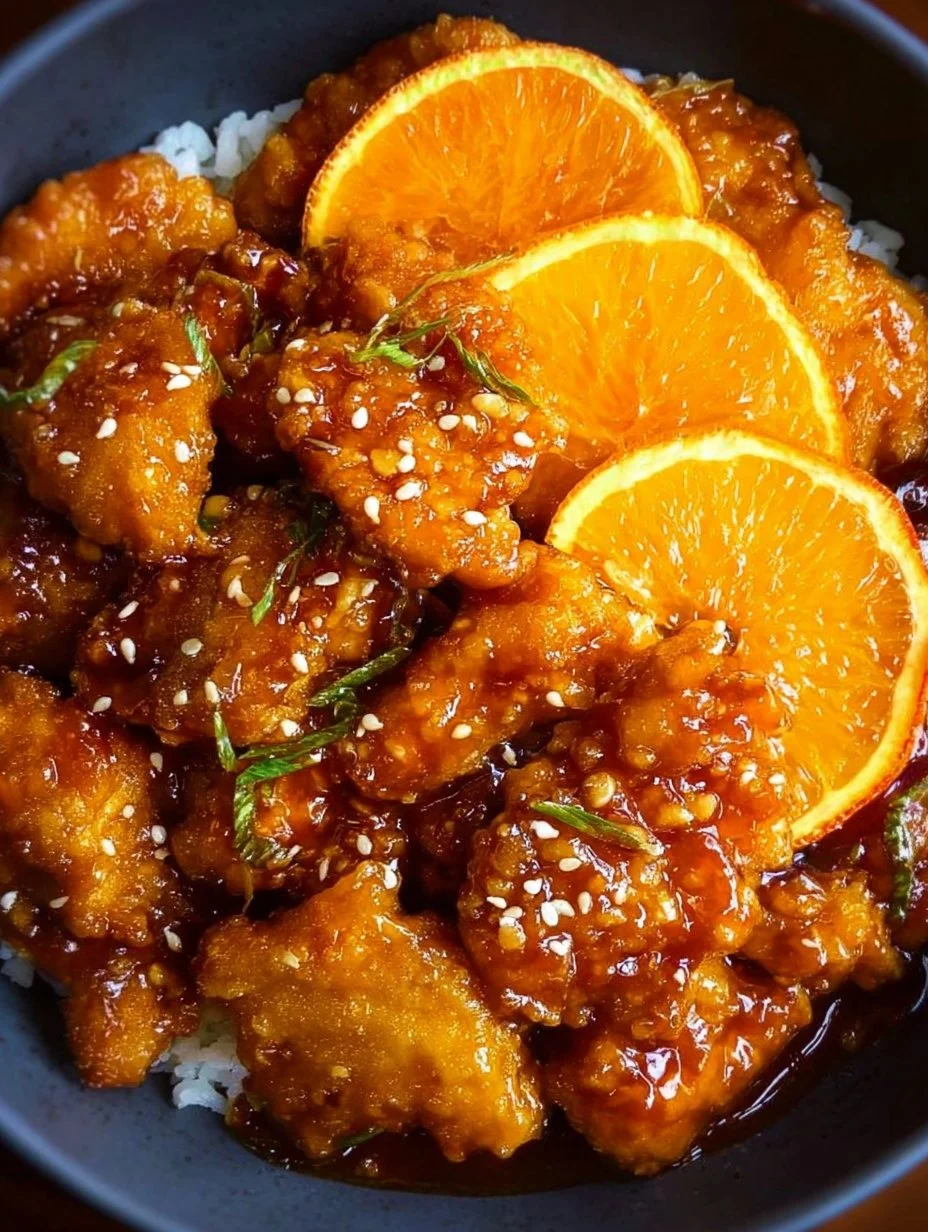
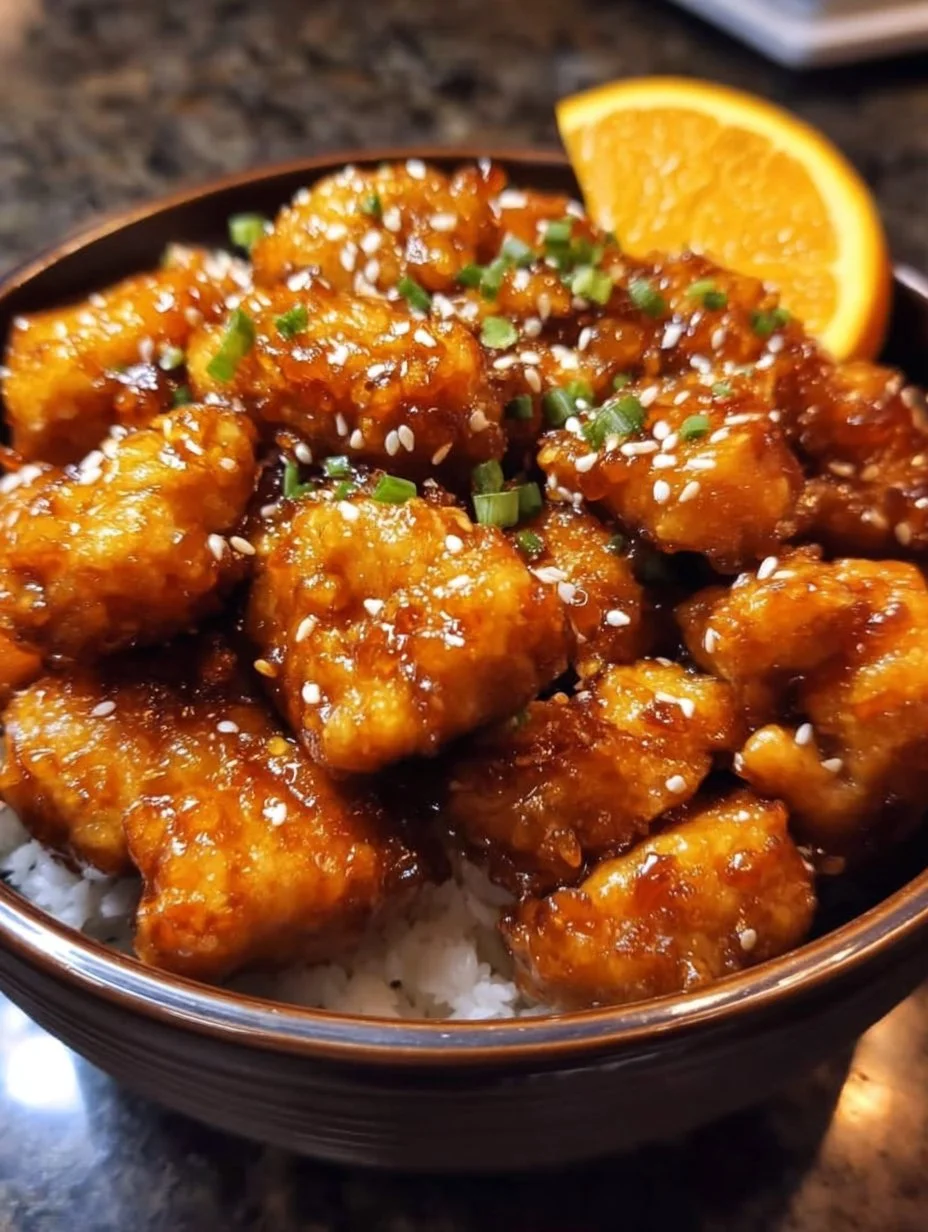
Pin by Patricia Collins Dukes on Food & Drink that I love | Chicken recipes, Easy Chinese recipes, Orange chicken recipe frames a glossy, citrus-glazed chicken that balances crisp coating and satin sauce in each bite. The contrast is immediate: a thin crunchy exterior yielding to tender, warmly spiced meat and a bright orange finish that perfumes the plate.
This recipe borrows simple Chinese-American technique and elevates it with careful temperature control and a light, velvety sauce finished with fresh zest. Serve warm on steamed rice or a bed of gently wilted greens for color and contrast that makes every forkful sing.
For a comforting, fragrant companion, try our Thai coconut chicken soup which pairs mellow coconut notes with the orange glaze’s citrus lift.
Why This Recipe Works
Pin by Patricia Collins Dukes on Food & Drink that I love | Chicken recipes, Easy Chinese recipes, Orange chicken recipe succeeds because of restrained technique: a thin, seasoned batter crisps quickly while the sauce reduces to a clingy, luminous glaze that does not drown the chicken. The quick fry keeps the interior moist and the outer texture lively.
A small addition of rice vinegar brightens without harshness, while a touch of toasted sesame oil adds depth. The result is balanced: sweet, tangy, savory, with a delicate umami background and no greasy aftertaste.
Flavor and Texture
A thin, corn- or rice-flour coating creates instant contrast: delicate crunch that dissolves on the tongue and reveals tender chicken beneath. The glaze clings like satin, coating each morsel with orange perfume and a glossy sheen that catches the light.
Use fresh orange zest and juice for brightness; bottled juice flattens the aroma. Toasted sesame seeds scatter like tiny nuggets, adding intermittent pops of nutty texture and visual rhythm against the smooth glaze. A final scatter of scallions introduces clean, green notes that cut the sauce’s sweetness.
Convenience and Time
Pin by Patricia Collins Dukes on Food & Drink that I love | Chicken recipes, Easy Chinese recipes, Orange chicken recipe is efficient. Prep and mise en place take the most time; frying and sauce finishing happen quickly, often within twenty minutes of starting the skillet.
This dish suits weeknights or small dinner parties because most steps scale easily. Once the batter and sauce base are measured, the cooking rhythm becomes predictable and calm, leaving you time to plate thoughtfully and enjoy the fragrance that fills the kitchen.
Diet Friendly Options
Keep the dish light by shallow frying rather than deep frying and using lean chicken breast or thigh trimmed of excess fat. For a gluten-free version, swap all-purpose flour with rice flour or a certified gluten-free blend to preserve the crisp texture.
To reduce sugar while maintaining balance, halve the brown sugar and add a splash of orange marmalade for rounded flavor. These tweaks preserve the visual identity and bright mouthfeel that define the recipe.
Ingredients
- 1 pound boneless, skinless chicken thighs or breasts, cut into 1-inch pieces
- 1 large orange, zested and juiced (about 1/2 cup juice)
- 3 tablespoons low-sodium soy sauce or tamari
- 2 tablespoons rice vinegar
- 2 tablespoons brown sugar or coconut sugar
- 1 teaspoon toasted sesame oil
- 1/2 cup cornstarch or rice flour for coating
- 1 large egg, lightly beaten
- 1/4 cup neutral oil for frying (vegetable or canola)
- 1 teaspoon grated fresh ginger
- 1 garlic clove, minced
- 2 scallions, thinly sliced for garnish
- 1 tablespoon toasted sesame seeds for garnish
- Salt and freshly ground white pepper to taste
Instructions
- Pat chicken pieces dry, season lightly with salt and white pepper, then toss with beaten egg to coat evenly.
- Spread cornstarch on a plate and dredge each piece to form a thin, uniform coating; shake off excess.
- Heat a wide skillet over medium-high heat and add the neutral oil; test by dropping a pinch of coating, if it sizzles, the oil is ready.
- Fry chicken in a single layer without crowding, turning once to achieve an even, light golden crust; transfer to a wire rack to drain briefly.
- Wipe the skillet clean, lower heat to medium, add a drizzle of oil and sauté ginger and garlic until fragrant but not browned, about 30 seconds.
- Add orange juice, zest, soy sauce, rice vinegar, and brown sugar; stir to dissolve sugar and bring to a gentle simmer.
- Simmer until sauce reduces by about a third and coats the back of a spoon, then swirl in toasted sesame oil.
- Return chicken to the skillet and toss gently to coat each piece with the glaze, heating through for one to two minutes.
- Transfer to a warm platter, scatter scallions and sesame seeds, and serve immediately with steamed rice or crisp greens.
Tips and Tricks for Success
Use a wide skillet to avoid overcrowding and ensure each piece crisps rather than steams; work in batches if needed. Pat chicken very dry before the egg wash so the coating adheres evenly and fries to a light, delicate crunch.
Control sauce thickness by reducing slowly; a rapidly boiling sauce can over-reduce and become cloying. If the glaze tightens too much, add a teaspoon of warm water to loosen and maintain that silky cling.
Ingredient Swaps
For a nuttier profile, replace a tablespoon of the orange juice with toasted sesame paste or smooth peanut butter, adding depth without overwhelming citrus. Swap brown sugar for maple syrup for a subtly floral sweetness and a thinner glaze texture.
If soy sauce is a concern, use low-sodium tamari or liquid aminos to maintain savory umami while keeping the glaze balanced and visually identical to the original.
Pairings and Serving Suggestions
For textural contrast, pair with steamed jasmine rice and a crisp cucumber salad dressed lightly with rice vinegar and a pinch of sugar. Blanched broccolini or baby bok choy offer gentle bitterness that offsets the glaze’s sweetness.
A warm noodle bowl with simple scallion oil complements the dish without competing with its citrus note. For a cross-reference of comforting soups that pair well, see our Pin by Patricia Collins Dukes on Food & Drink that I love link for a creamy, aromatic companion.
Storage and Make Ahead Tips
Store leftover chicken and glaze separately to protect the crisp coating; assemble and reheat in a hot skillet for two to three minutes so the glaze re-adheres without sogginess. Keep refrigerated in an airtight container for two to three days.
You can prepare the sauce up to two days ahead; refrigerate and reheat gently, then toss with freshly fried or reheated chicken just before serving to preserve texture.
Nutrition and Health Benefits
This recipe provides a lean source of protein when using skinless chicken and moderate fat when shallow frying. Orange juice contributes vitamin C and a natural sweetness that reduces the need for excess added sugar.
Using low-sodium soy sauce and controlled oil quantities keeps sodium and calories in check without sacrificing flavor.
Pin by Patricia Collins Dukes on Food & Drink that I love | Chicken recipes, Easy Chinese recipes, Orange chicken recipe appears here as an accessible, flavorful option that can be adapted simply for lighter plates.
Mistakes to Avoid
Do not overcrowd the pan during frying; overcrowding lowers oil temperature and yields soggy coating. Avoid high heat when reducing the sauce which can scorch sugars and create bitter notes.
Do not skip zest; zest carries volatile oils that give the glaze an immediate, fresh orange perfume that juice alone cannot provide. Finally, do not let the chicken sit in the glaze for too long before serving or the coating will soften.
Personal Closing Thought and Call to Action
This orange chicken is about balance: crisp texture, satin glaze, bright citrus, and quiet depth from sesame and soy. It rewards modest technique and careful timing rather than heavy-handed tricks.
Try it once with thighs and then with breast to notice the subtle difference in tenderness. If you like what you taste, share the memory and keep experimenting with small swaps that respect the dish’s delicate architecture.
Conclusion
Pin by Patricia Collins Dukes on Food & Drink that I love | Chicken recipes, Easy Chinese recipes, Orange chicken recipe finds harmony in crisp coating and glossy citrus glaze, delivering bright, savory satisfaction in every bite. For a Southern contrast that celebrates homestyle chicken traditions, see the Pin by Patricia Collins Dukes on Food & Drink that I love | Chicken recipes, Easy Chinese recipes, Orange chicken recipe recipe for rustic comfort.
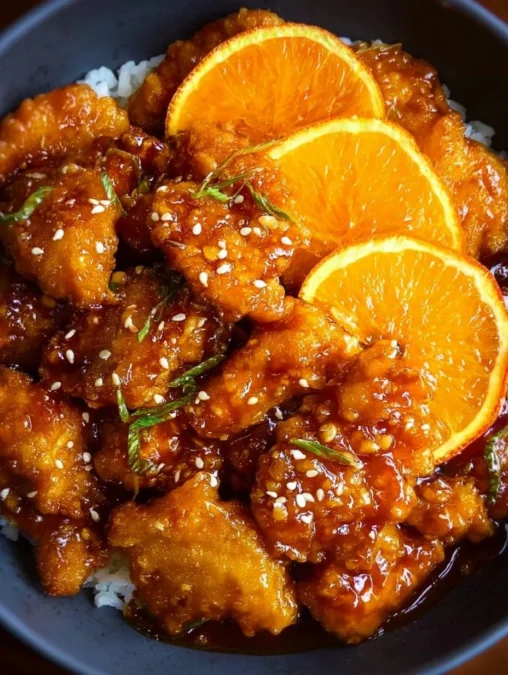
Crisp Orange Chicken
A glossy, citrus-glazed chicken with a crisp coating and tender meat, elevated with fresh orange zest and ginger.
-
Total Time:
40 minutes -
Yield:
4 servings 1x
Ingredients
Scale
- 1 pound boneless, skinless chicken thighs or breasts, cut into 1-inch pieces
- 1 large orange, zested and juiced (about 1/2 cup juice)
- 3 tablespoons low-sodium soy sauce or tamari
- 2 tablespoons rice vinegar
- 2 tablespoons brown sugar or coconut sugar
- 1 teaspoon toasted sesame oil
- 1/2 cup cornstarch or rice flour for coating
- 1 large egg, lightly beaten
- 1/4 cup neutral oil for frying (vegetable or canola)
- 1 teaspoon grated fresh ginger
- 1 garlic clove, minced
- 2 scallions, thinly sliced for garnish
- 1 tablespoon toasted sesame seeds for garnish
- Salt and freshly ground white pepper to taste
Instructions
- Pat chicken pieces dry, season lightly with salt and white pepper, then toss with beaten egg to coat evenly.
- Spread cornstarch on a plate and dredge each piece to form a thin, uniform coating; shake off excess.
- Heat a wide skillet over medium-high heat and add the neutral oil; test by dropping a pinch of coating, if it sizzles, the oil is ready.
- Fry chicken in a single layer without crowding, turning once to achieve an even, light golden crust; transfer to a wire rack to drain briefly.
- Wipe the skillet clean, lower heat to medium, add a drizzle of oil and sauté ginger and garlic until fragrant but not browned, about 30 seconds.
- Add orange juice, zest, soy sauce, rice vinegar, and brown sugar; stir to dissolve sugar and bring to a gentle simmer.
- Simmer until sauce reduces by about a third and coats the back of a spoon, then swirl in toasted sesame oil.
- Return chicken to the skillet and toss gently to coat each piece with the glaze, heating through for one to two minutes.
- Transfer to a warm platter, scatter scallions and sesame seeds, and serve immediately with steamed rice or crisp greens.
Notes
Control sauce thickness by reducing slowly and pat chicken very dry for crisp coating.
- Prep Time: 20 minutes
- Cook Time: 20 minutes
- Category: Main Course
- Method: Frying
- Cuisine: Chinese-American
Nutrition
- Serving Size: 1 serving
- Calories: 350
- Sugar: 6g
- Sodium: 400mg
- Fat: 15g
- Saturated Fat: 2g
- Unsaturated Fat: 12g
- Trans Fat: 0g
- Carbohydrates: 40g
- Fiber: 2g
- Protein: 28g
- Cholesterol: 75mg
Frequently Asked Questions
Can I make easy orange chicken recipes with chicken breast instead of thighs?
Yes, boneless, skinless chicken breast works well; it’s leaner but cooks faster. Pat the pieces very dry and watch carefully during frying to prevent overcooking. Thighs stay slightly more moist, but both yield delicious results. Cut breast pieces slightly smaller for even cooking.
How do I store leftover orange chicken and keep the coating crispy?
Store chicken and glaze separately in airtight containers for two to three days. Reheat chicken in a hot skillet for two to three minutes, then toss with warmed sauce just before serving. This method re-adheres the glaze without sogginess and restores the crispy texture.
What’s the best way to achieve a crispy coating for orange chicken recipes?
Use cornstarch or rice flour mixed with salt and white pepper. Pat chicken dry before the egg wash, ensure oil temperature is steady at medium-high, and fry in a single layer without crowding. A wide skillet and proper temperature control prevent steam, which destroys crispness.
Can I make orange chicken recipes gluten-free?
Absolutely. Replace all-purpose flour or cornstarch with certified gluten-free rice flour blend. The coating texture remains identical. Check all soy sauce and other ingredients for gluten certification. This simple swap preserves the crispy exterior and bright citrus glaze.
How thick should the orange glaze be when done?
Reduce sauce until it coats the back of a spoon in a thin, silky layer. It should cling to chicken pieces without pooling. If it thickens too much, add a teaspoon of warm water to loosen. The glaze continues to cling as it cools slightly.
Final Thoughts
This easy orange chicken recipe proves that weeknight dinners can taste like takeout without compromise. The combination of crispy coating, silky glaze, and fresh citrus makes every bite satisfying and quick to prepare. For a complete meal, pair this glazed chicken with our Crock Pot Thai Ginger Chicken Soup for a comforting companion, or try Sheet Pan Lemon Balsamic Chicken Potatoes Made Easy for another one-pan dinner option. Chef Rita recommends serving immediately to protect the crisp texture while the glaze is still warm and clingy.