
I love Cajun Alfredo Sauce. It brings a unique twist to classic creamy pasta. With rich cream, buttery goodness, and a smoky Cajun kick, this sauce transforms any dish. In my kitchen, it’s a go-to for quick dinners or special occasions. You can top fettuccine, shrimp, or even chicken for an irresistible meal. Let’s dive into why this recipe is a must-have and how you can make it in just 15 minutes.
Pro Tips from Chef Rita
- Keep the sauce over low heat to prevent separation.
- Use freshly grated Parmesan for the best melt.
- If the sauce thickens, add a bit of reserved pasta water to bring it back to life.
Table of Contents
Cajun Alfredo Sauce arrives as a quiet rebellion against the ordinary: rich cream and butter softened by bright garlic and a smoky, peppered heat. The sauce clings to strands of pasta with a silk-like weight, leaving a warm finish that teases the palate without overwhelming it. Make it to lift a simple weeknight bowl or to anchor a composed plate of seared shrimp; the balance between cream and spice is deliberate and restrained. If you like a lush pasta base, try it spooned over a rustic roast chicken or for a coastal turn, pair with creamy chicken Cajun pasta for a satisfying contrast of textures.

Why This Recipe Works
Cajun Alfredo Sauce threads together three clear ideas: pure dairy richness, focused aromatics, and a single spice blend that defines the profile without masking the cheese. Melting Parmesan into warm cream creates a glossy emulsion that clings and coats, while butter and briefly browned garlic contribute a toasted, nutty base. Using a measured tablespoon of Cajun seasoning introduces layered heat smoked paprika, cayenne, and herbs that wakes the sauce and keeps it lively. The technique is simple; control the heat and finish with a quick seasoning check to maintain the sauce’s clear identity.
Flavor and Texture
The first impression is silk: heavy cream reduces just enough to thicken without becoming stodgy. Parmesan folds in and melts into glossy ribbons that give the sauce body and a savory tang.
Garlic, briefly softened in butter, smells almost roasted and sharp, a low note that carries through each bite. Cajun seasoning adds a citrusy pepperiness and a slow, rising warmth that finishes on the back of the tongue.
Serve the sauce slightly warm; chilled cream loses its sheen and hot sauce can separate. Visually, the sauce is pale gold flecked with red and green from the spice, an understated plate that invites close attention. Texturally, the contrast comes from the pasta’s chew or the sear on shrimp or chicken, which lifts the creamy weight.
Convenience and Time
This sauce is deliberately quick: about 15 minutes from butter to bowl when your mise en place is ready. There is no roux to babysit or complex tempering; the cheese melts into already-warmed cream for a straightforward finish. A small saucepan and a whisk are all that is required, so it fits well into a busy evening rhythm or a last-minute dinner plan. Reheating is graceful if you loosen the sauce with a splash of milk or reserved pasta water to restore gloss.
Diet Friendly Options
The identity of the recipe rests on butter, cream, and Parmesan, but subtle swaps make it approachable for different needs without losing its character. Use a lower-fat cream alternative and reduce butter slightly for fewer calories while accepting a thinner mouthfeel. For a vegetarian adaptation, ensure your Parmesan is made without animal rennet or substitute a hard vegetarian cheese with similar salt and umami. Small changes keep the visual profile intact and the spice balance unchanged.
Ingredients
- 1 cup heavy cream
- 1/2 cup unsalted butter
- 1 cup grated Parmesan cheese
- 2 cloves garlic, minced
- 1 tablespoon Cajun seasoning
- Salt and pepper to taste
- Optional: parsley for garnish
Step by Step Instructions
- In a saucepan, melt butter over medium heat.
- Add minced garlic and cook until fragrant, about 1 minute.
- Stir in the heavy cream and bring to a simmer.
- Reduce heat and mix in Parmesan cheese until melted.
- Stir in Cajun seasoning, then season with salt and pepper to taste.
- Serve over your choice of pasta and garnish with parsley if desired.

Tips and Tricks for Success
Heat control is the single technique that preserves silkiness: keep the cream at a gentle simmer and avoid a rapid boil that can break the emulsion. Grate your Parmesan fresh; pre-grated cheese often contains anti-caking agents that prevent smooth melting. If the sauce tightens while standing, whisk in a tablespoon of warm water or reserved pasta cooking water to restore fluidity. Taste and adjust at the end, remembering that the cheese and seasoning can vary in salt and heat from one brand to another.
Ingredient Swaps
If you must substitute, do so with small, deliberate changes that respect the sauce’s architecture. Replace half the butter with olive oil for a lighter note but accept a slightly different mouthfeel. A blend of Pecorino and Parmesan gives a sharper, saltier profile — reduce added salt accordingly. For a dairy-free cast, use a neutral plant-based butter and a creamy non-dairy milk thickened with a touch of cornstarch, though the result will read as an interpretation rather than the original.
Pairings and Serving Suggestions
Cajun Alfredo Sauce brightens simple proteins and stands up to coastal flavors; spoon it over pan-seared shrimp or a charred fillet for a refined plate. For pasta, choose long, flat shapes like fettuccine or pappardelle that allow the sauce to coat each strand evenly. Add a crisp green salad dressed with lemon to cut the cream’s weight and a handful of toasted breadcrumbs for crunch. For a composed supper, roast vegetables or grilled asparagus provide bitter and smoky contrasts that keep the dish balanced and visually varied. A casual internal pairing note: this sauce also plays well alongside grilled shrimp skewers with spicy cream sauce for a shared menu.
Storage and Make Ahead Tips
Cool the sauce to room temperature then refrigerate in an airtight container for up to three days; avoid leaving dairy at risk for longer. When reheating, warm gently over low heat and whisk in a little water or milk to restore texture instead of boiling. You can make the sauce a day ahead and finish with a fresh sprinkle of Cajun seasoning and parsley to refresh its presence before serving. For freezing, the creaminess may separate; freeze only if necessary and expect a slight texture change on thawing.
Nutrition and Health Benefits
This sauce is calorie-dense and rich in saturated fat because of the cream and butter, offering comforting energy and satisfying mouthfeel. Parmesan brings concentrated protein and calcium, plus savory compounds that enhance perceived flavor so you may use less overall salt. If watching intake, reduce portion size and serve the sauce as a coating rather than a pooling base to control calories per serving. For specific dietary needs, please consult a qualified health professional.
Mistakes to Avoid
Do not overheat the sauce once the cheese is added; high heat causes graininess and separation. Avoid adding cheese to cold cream; the temperature mismatch hinders smooth melting. Underseasoning is common; taste after the cheese melts and adjust with caution because Parmesan already contributes salt. A common textural error is overcrowding the pan with pasta or protein while saucing; allow space so the sauce can coat rather than steam the ingredients.
Personal Closing Thought and Call to Action
Cajun Alfredo Sauce is a quiet indulgence that rewards restraint: a teaspoon of seasoning, fresh-grated cheese, and a careful hand with heat. It asks for attention to temperature and timing rather than long lists of ingredients, which is why it fits into both casual weeknights and more deliberate dinners. If you make it, notice how the spice unfolds after each bite and consider a small garnish of parsley to add a bright counterpoint. Share your version on social and tag us so others can try this balance of cream and heat.
Conclusion
Cajun Alfredo Sauce arrives at the table with restrained confidence, a velvety sauce that pairs beautifully with both land and sea. For another home-style take and additional inspiration, consult this Homemade Cajun Alfredo Sauce Recipe – Happy Honey Kitchen which offers complementary techniques and ideas to expand your repertoire. Try it once, then refine the heat and texture to the way you and your guests prefer.
FAQ
What is the preparation time for this recipe?
The preparation time usually takes about 15 to 20 minutes depending on experience and equipment.
Can I substitute any ingredients?
Yes, simple substitutions are possible depending on dietary needs or availability; for example, you can reduce butter or use a lower-fat cream, but keep in mind how those swaps affect the texture and the overall character of Cajun Alfredo Sauce.
Is this recipe suitable for specific diets?
This recipe can be adapted with small changes depending on preferences.
How should leftovers be stored?
Store leftovers in an airtight container in the refrigerator and consume within two to three days.
Can I prepare this recipe in advance?
Many steps can be prepared ahead of time to simplify busy cooking days.
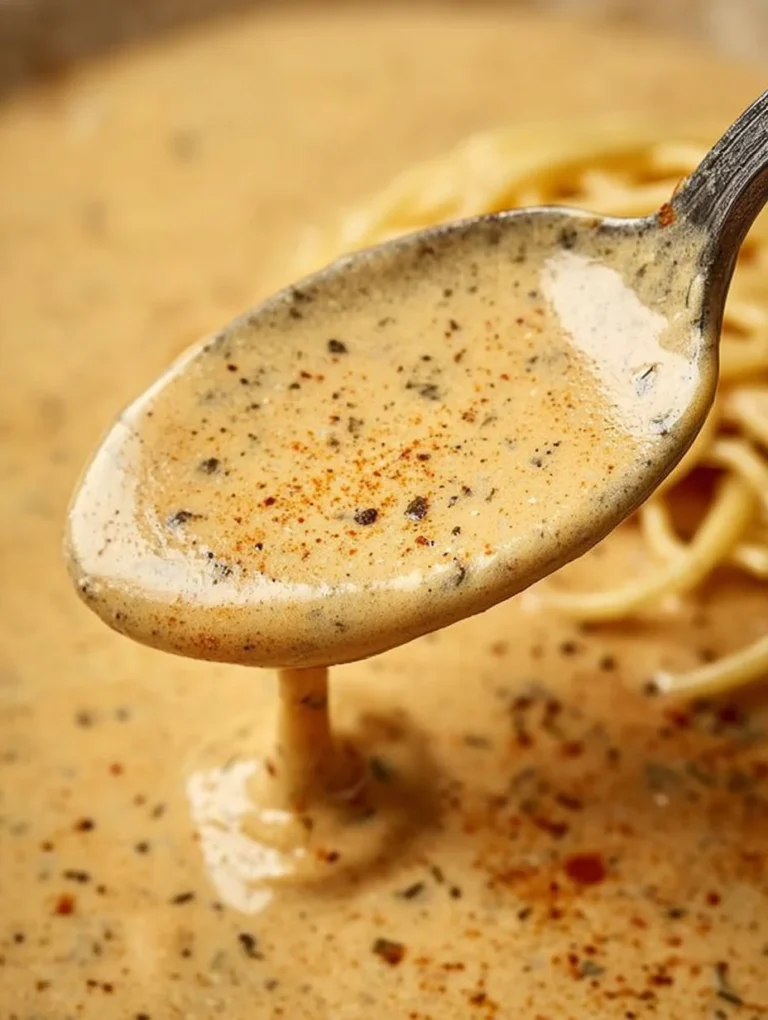
Cajun Alfredo Sauce
A velvety Cajun Alfredo Sauce that combines rich cream and butter with spiced Cajun seasoning for a delightful pasta topping.
Total Time: 25 minutes
Yield: 4 servings 1x
Ingredients
Scale
- 1 cup heavy cream
- 1/2 cup unsalted butter
- 1 cup grated Parmesan cheese
- 2 cloves garlic, minced
- 1 tablespoon Cajun seasoning
- Salt and pepper to taste
- Optional: parsley for garnish
Instructions
- In a saucepan, melt butter over medium heat.
- Add minced garlic and cook until fragrant, about 1 minute.
- Stir in the heavy cream and bring to a simmer.
- Reduce heat and mix in Parmesan cheese until melted.
- Stir in Cajun seasoning, then season with salt and pepper to taste.
- Serve over your choice of pasta and garnish with parsley if desired.
Notes
Control the heat to preserve the sauce’s silkiness. Use freshly grated Parmesan for best results.
- Prep Time: 15 minutes
- Cook Time: 10 minutes
- Category: Sauce
- Method: Sauce Making
- Cuisine: Cajun
- Diet: Vegetarian
Nutrition
- Serving Size: 1 serving
- Calories: 350
- Sugar: 2g
- Sodium: 400mg
- Fat: 28g
- Saturated Fat: 17g
- Unsaturated Fat: 8g
- Trans Fat: 0g
- Carbohydrates: 4g
- Fiber: 0g
- Protein: 8g
- Cholesterol: 60mg
Frequently Asked Questions
What pasta goes best with Cajun Alfredo Sauce?
Fettuccine or pappardelle work excellently since their shape holds the sauce well. You want a pasta that allows the sauce to cling, creating a perfect bite.
Can I make Cajun Alfredo Sauce dairy-free?
Yes, you can use a plant-based cream and cheese alternative. This will create a similar creamy texture while accommodating dietary needs.
How long does Cajun Alfredo Sauce last in the fridge?
It can be stored in the refrigerator for up to three days. Just make sure to cool it properly in an airtight container.
Is Cajun Alfredo Sauce spicy?
The spice level depends on the Cajun seasoning you use. You can adjust the amount to suit your taste, making it milder or hotter as you prefer.
Can I freeze Cajun Alfredo Sauce?
Freezing is possible but may change the texture. If necessary, reheat gently after thawing, adding water to restore creaminess.
Final Thoughts
You’re going to love how easy it is to whip up Cajun Alfredo Sauce. If you’re craving something equally delicious, try my Cheesy Cajun Alfredo Chicken or Deliciously Creamy Chicken Cajun Pasta. They pair perfectly for a cozy dinner spread.