
I love making this Lavender Buttercream Frosting for cakes and cupcakes. Chef Rita here, and I’m excited to share a recipe that brings a fresh, floral flavor to your desserts. This silky frosting pairs beautifully with many cakes, providing a light and aromatic finish. Whether you’re baking a carrot cake or some lovely cupcakes, this buttercream is the ideal choice. Let’s dive into how to whip up this dreamy frosting that captures the essence of spring on a plate.
Pro Tips from Chef Rita
- Ensure your butter is soft but not melted for the best texture.
- Gradually add powdered sugar to prevent a sugar cloud during mixing.
- Chill the frosting briefly if it becomes too soft for piping.
- Always taste for balance; lavender aroma can intensify as it sits.
Table of Contents
A pale, fragrant buttercream that reads like spring on a plate. Lavender threads a calm floral lift through the cream. The butter keeps the texture pure and satin-smooth. Sugar gives structure and a whisper of crispness at the edges. Vanilla and a pinch of salt steady the perfume. The final mouthfeel is soft, cool and lingering. Visit this take for a gentle contrast with a spiced loaf or a citrus cake like our decadent carrot cake bars.
Why This Recipe Works
Butter forms the backbone of a classic American buttercream but kept at room temperature it remains airy rather than greasy. Powdered sugar both sweetens and creates delicate micro-structure, so the frosting holds peaks without feeling grainy. Heavy cream loosens the mix just enough to glide under an offset spatula while still allowing pipe work. Culinary lavender is restrained and finely chopped to release oil without turning bitter. Vanilla and a tiny pinch of salt sharpen the floral notes and balance sweetness. Beating on medium-high speed incorporates air, creating a light, almost whipped texture that reads as silk on the tongue. The recipe is intentionally simple so technique, not many ingredients, determines success. The result is a frosting that looks refined, tastes floral without being soapy, and melts cleanly against warm cake.
Flavor and Texture
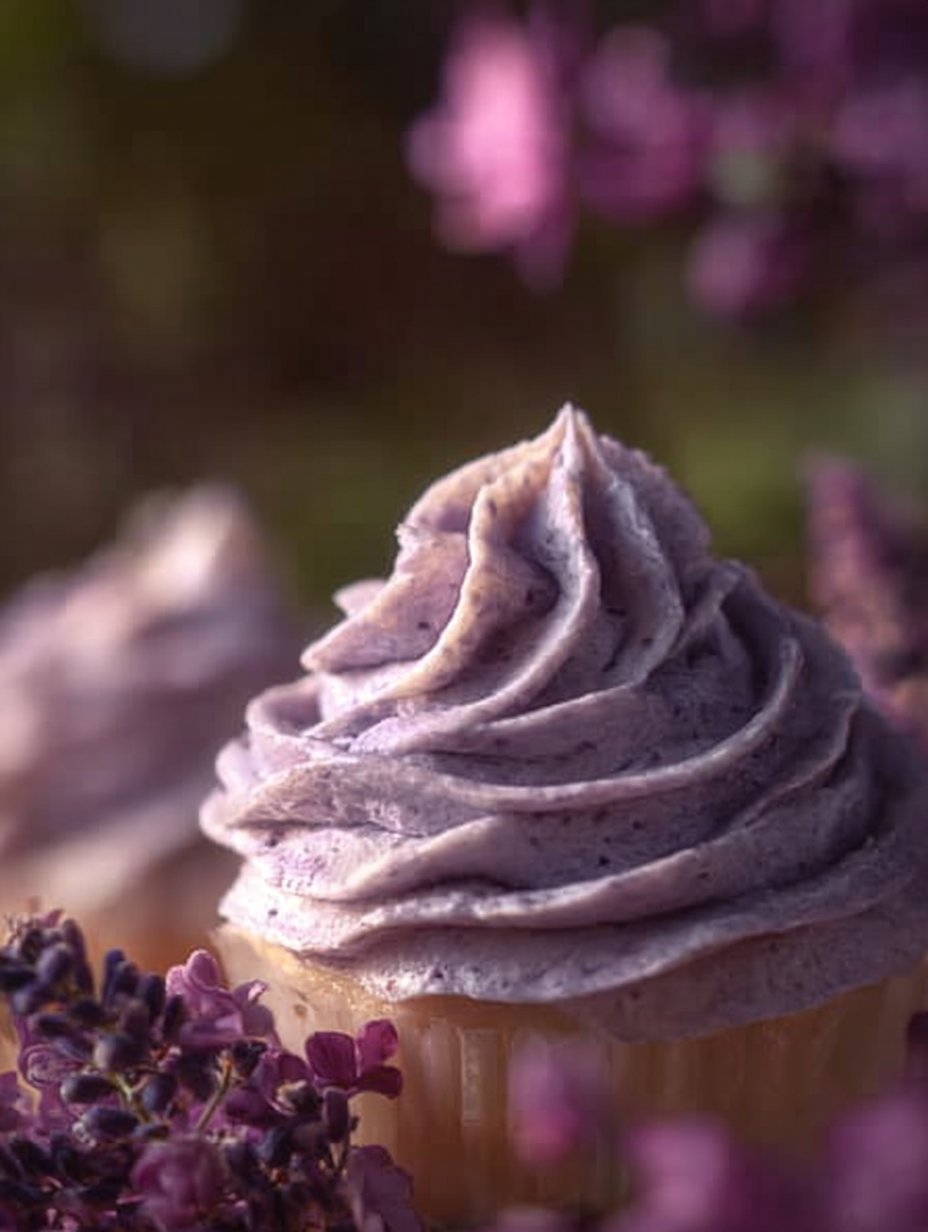
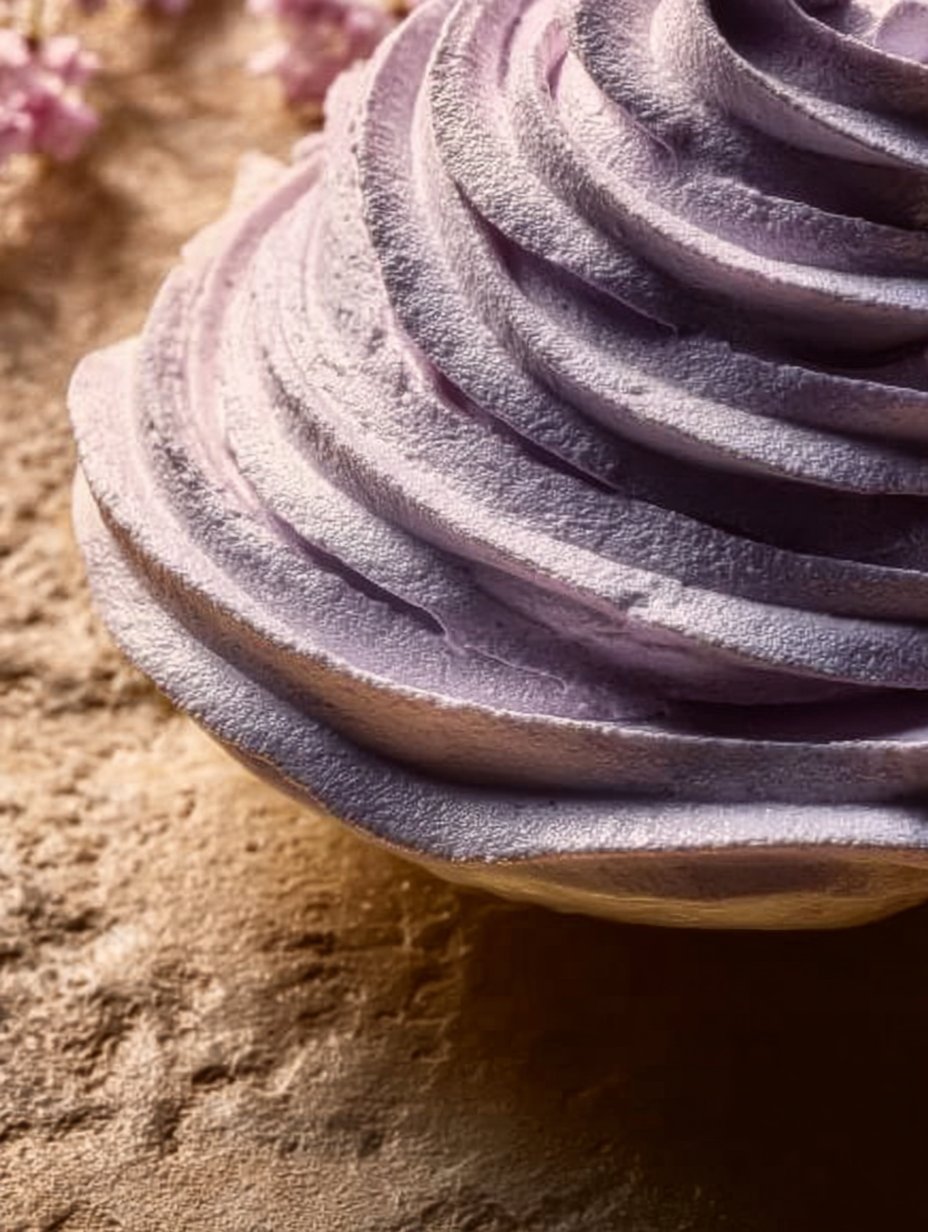
Silky is the first impression, a satin sweep across the palate. The lavender arrives as a whisper, floral and dry rather than syrupy. Powdered sugar gives a very fine crystalline backbone that creates a slight, pleasant snap at the first bite, then dissolves into cream. Temperature affects perception; chilled frosting feels denser and the lavender sharper, room-temperature frosting tastes rounder and more aromatic. Textural contrast is subtle: the buttercream is soft, the chopped lavender offers a faint, almost herbaceous grit that keeps the flavor honest. Visually the frosting is glossy with soft peaks that hold a sculpted finish. Use a light hand when piping to preserve airiness. A touch of salt in the recipe deepens the vanilla and tames cloying sweetness. The balance is about restraint rather than overt floral power.
Aromatic Profile
The scent is green and slightly camphorous at first, then settles into honeyed floral notes. Finely chopping the lavender releases volatile oils gently; steeping in the cream is unnecessary for this texture-driven frosting. If the lavender seems aggressive, rest the frosting in the refrigerator briefly to soften the top notes.
Convenience and Time
This buttercream is fast to assemble and requires only common tools: bowl, mixer, spatula. Active time is under 20 minutes, most of which is beating and folding. The method is forgiving; if the butter is slightly too soft, pop the bowl in the fridge for a few minutes and re-beat. No special equipment or complex tempering is needed, which makes it suitable for weekday baking or an elegant last-minute finish. Clean up is minimal; powdered sugar can be sifted directly into the bowl to reduce dust. The rhythm is calm: beat, scrape, add, then aerate. The short list of ingredients keeps the technique central.
Diet Friendly Options
To reduce sweetness, trim powdered sugar by a quarter cup and add another tablespoon of cream, tasting as you go. For a lighter calorie profile use half butter and half whipped cream cheese, though the tang will change the floral balance. A dairy-free version can use a firm plant-based butter and a neutral non-dairy cream; texture will be slightly softer and may need extra chilling for piped work. Keep the lavender quantity consistent to preserve aroma. For lower sugar needs, consider a powdered erythritol blend that behaves like confectioners sugar, with the same whipping technique required. These swaps keep the look and floral identity intact.
Ingredients
– 1 cup unsalted butter, softened
– 4 cups powdered sugar
– 2 tablespoons heavy cream
– 1 teaspoon vanilla extract
– 2 teaspoons culinary lavender, finely chopped
– A pinch of salt
Step by Step Instructions
1. In a mixing bowl, beat the softened butter until creamy.
2. Gradually add powdered sugar, mixing on low speed until combined.
3. Add heavy cream, vanilla extract, culinary lavender, and salt.
4. Beat on medium-high speed until the frosting is light and fluffy, about 3-5 minutes.
5. Use immediately to frost cakes or cupcakes, or store in an airtight container.
Tips and Tricks for Success
Keep the butter at cool room temperature; it should yield to gentle pressure but not appear greasy. Add powdered sugar in stages to avoid a dusty cloud and to help the sugar dissolve into the fats. Scrape the bowl frequently to incorporate any unblended bits and to assess texture. If the frosting is too stiff, add cream by half-teaspoon increments, beating briefly after each addition. If it is too loose, add a touch more powdered sugar, but know that over-sugaring will mute the lavender. For piping details, chill the frosting ten minutes to firm it slightly, then re-whip for 10 seconds. Taste frequently for floral balance; lavender aroma can intensify after resting.
Ingredient Swaps
Swap heavy cream for full-fat sour cream for a faint tang and richer mouthfeel, but reduce lavender by a quarter teaspoon. To make a lighter frosting, replace one-third of the butter with mascarpone; expect a softer set and a silkier finish. For a vegan approach, use a solid-tub plant butter that whips well and vegan heavy cream alternatives; chill slightly before piping. If culinary lavender is unavailable, a small amount of lavender syrup can be used, but reduce the cream and powdered sugar slightly to maintain structure. All swaps should be judged by texture and aroma, not just flavor.
Pairings and Serving Suggestions
Serve this buttercream with a simple almond sponge, a citrus cake that plays against the floral notes, or a light lemon bar where the frosting is the aromatic accent. Fresh berries add a bright, acidic counterpoint and a textural pop. A nut-studded shortbread provides a crisp base that contrasts the frosting’s silk. For an autumnal twist, place a small dollop on a spiced pumpkin slice to marry warmth and floral coolness; see the seasonal match in our [pumpkin sheet cake](https://kozinarecipes.com/pumpkin-sheet-cake-with-cream-cheese-frosting/) for inspiration. Keep garnishes minimal: a single lavender sprig, a few candied citrus zest threads, or a scattering of toasted almonds.
Storage and Make Ahead Tips
Store leftover frosting in an airtight container in the refrigerator for up to three days. Bring it back to room temperature before use and re-whip briefly to restore volume. For transport, chill the frosted cake slightly to firm the surface and avoid sliding. You can make the frosting a day ahead and refrigerate; beat for 30 seconds before spreading. If frozen, the texture may loosen on thawing; restore with short bursts of beating and a splash of cream if needed. Always label with date and keep away from strong odors.
Nutrition and Health Benefits
This buttercream offers fat-soluble vitamins from butter and a small contribution of protein. Lavender itself has no calories in the amounts used but adds aromatic complexity that can reduce the desire for sweeter additions. Powdered sugar is the main caloric component, so portion control keeps the dessert balanced. Choosing full-fat dairy provides satiety and a clean mouthfeel. For specific dietary needs, please consult a qualified health professional.
Mistakes to Avoid
Do not overprocess lavender; large pieces can yield a bitter, soapy note. Avoid adding all the cream at once; you can always loosen the frosting but tightening is harder. Never start with butter that is too warm; it will create a greasy, unstable emulsion. Do not skip the pinch of salt; it is essential for balance. When piping, avoid overfilling bags which can warm the frosting from your hands. Finally, taste as you go rather than assuming proportions are perfect for your palate.
Personal Closing Thought and Call to Action
This buttercream is about restraint and detail more than sheer sweetness. A light, floral marmalade or a scatter of toasted pistachio can change the mood with a single spoonful. Try the frosting on a layered lemon cake or a simple vanilla cupcake and note how the lavender changes with temperature. Share your variation and tag KozinaRecipes so we can see your interpretation.
Conclusion
This Lavender Buttercream Frosting is an elegant, restrained finish that lifts simple cakes and pastries with a clear floral signature. For a reference point and further inspiration on lavender-infused frostings, see Lavender Buttercream Frosting – Sugar & Sparrow.
FAQ
What is the preparation time for this recipe?
The preparation time usually takes about 15 to 20 minutes depending on experience and equipment.
Can I substitute any ingredients?
Yes, simple substitutions are possible depending on dietary needs or availability.
Is this recipe suitable for specific diets?
This recipe can be adapted with small changes depending on preferences.
How should leftovers be stored?
Store leftovers in an airtight container in the refrigerator and consume within two to three days.
Can I prepare this recipe in advance?
Many steps can be prepared ahead of time to simplify busy cooking days.
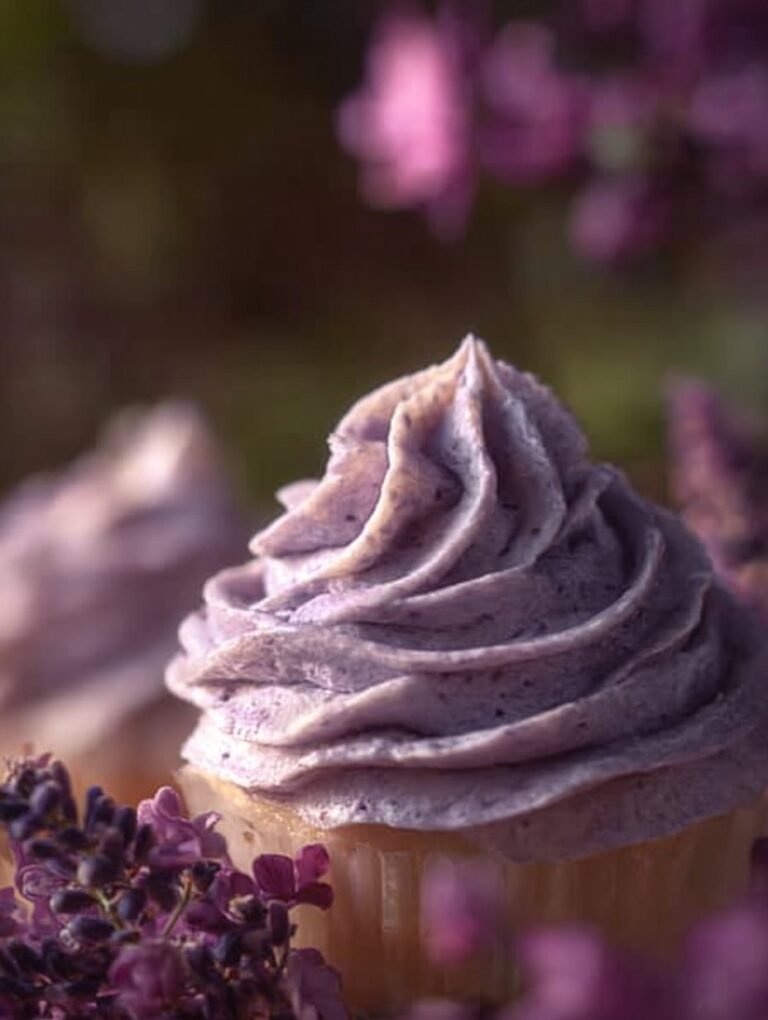
Lavender Buttercream Frosting
A pale, fragrant buttercream that combines floral lavender with buttery smoothness, perfect for a light and elegant finish on cakes and cupcakes.
Total Time: 20 minutes
Yield: 12 servings 1x
Ingredients
Scale
- 1 cup unsalted butter, softened
- 4 cups powdered sugar
- 2 tablespoons heavy cream
- 1 teaspoon vanilla extract
- 2 teaspoons culinary lavender, finely chopped
- A pinch of salt
Instructions
- In a mixing bowl, beat the softened butter until creamy.
- Gradually add powdered sugar, mixing on low speed until combined.
- Add heavy cream, vanilla extract, culinary lavender, and salt.
- Beat on medium-high speed until the frosting is light and fluffy, about 3-5 minutes.
- Use immediately to frost cakes or cupcakes, or store in an airtight container.
Notes
Keep the butter at cool room temperature; add powdered sugar in stages to avoid a dusty cloud. If the frosting is too stiff, add cream gradually. For piping details, chill the frosting slightly before use.
- Prep Time: 20 minutes
- Cook Time: 0 minutes
- Category: Dessert
- Method: Mixing
- Cuisine: American
- Diet: Vegetarian
Nutrition
- Serving Size: 1 serving
- Calories: 150
- Sugar: 18g
- Sodium: 50mg
- Fat: 8g
- Saturated Fat: 5g
- Unsaturated Fat: 3g
- Trans Fat: 0g
- Carbohydrates: 22g
- Fiber: 0g
- Protein: 1g
- Cholesterol: 30mg
Frequently Asked Questions
What is the preparation time for this recipe?
Preparing this Lavender Buttercream Frosting takes about 20 minutes, including mixing and whipping up the ingredients.
Can I substitute any ingredients?
Yes, you can use half butter and half whipped cream cheese for a lighter version, but this will alter the flavor.
Is this recipe suitable for specific diets?
You can make this buttercream dairy-free by using plant-based butter and cream, and adjust the lavender taste as needed.
How should leftovers be stored?
Store leftover frosting in an airtight container in the fridge for up to three days. Bring it back to room temperature before using.
Can I prepare this recipe in advance?
Absolutely! You can make the frosting a day in advance. Just remember to whip it briefly before using.
Final Thoughts
Give this Lavender Buttercream Frosting a try; you’ll love how it elevates your baked goods. For more tasty ideas, check out my Coconut Cake with Cream Cheese Frosting or Soft White Cupcakes with Vanilla Buttercream. Happy baking!