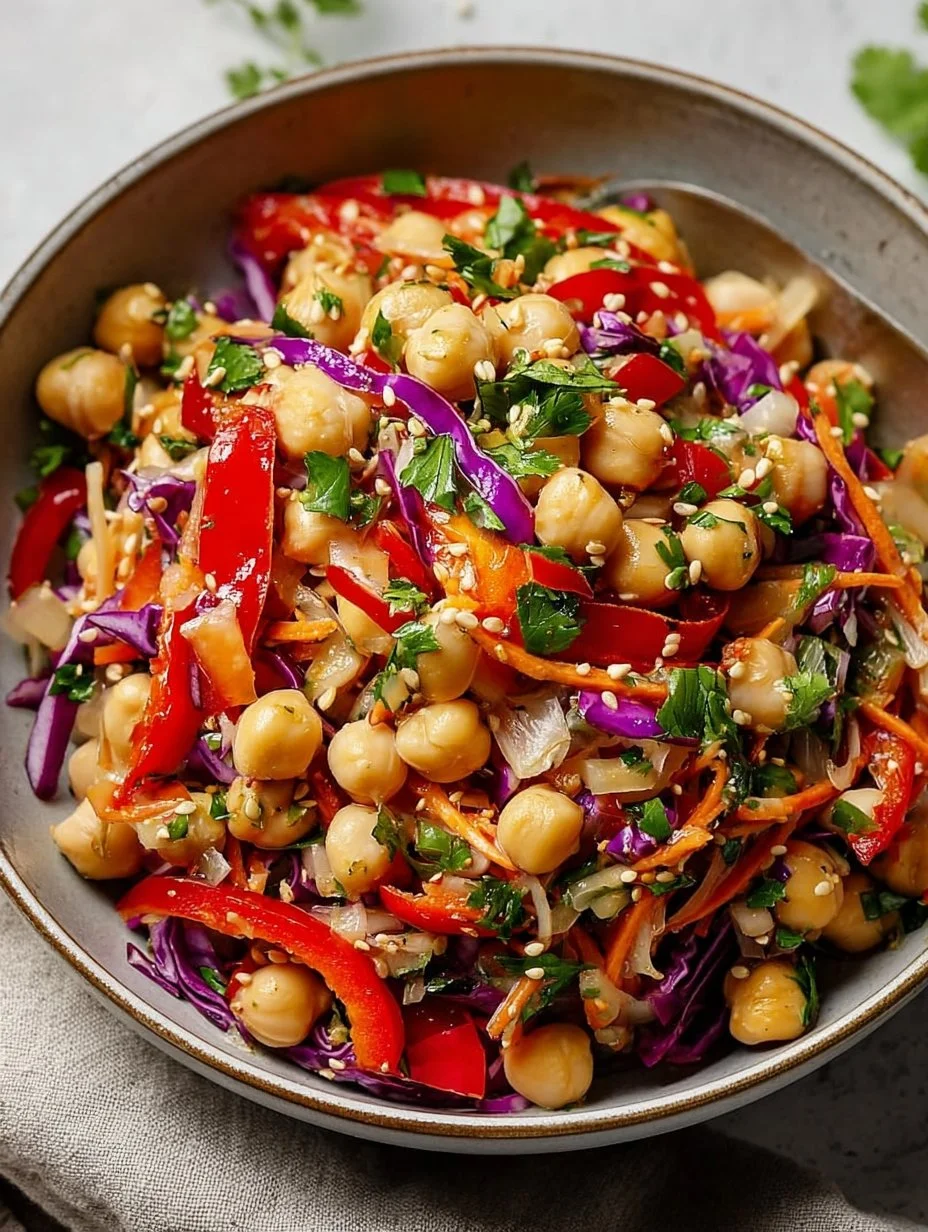

Table of Contents
As we move toward a more health-conscious dining experience, the concept of Pin by Jessica on Dinner in 2025 | Whole food recipes, Healthy soup recipes, Soup recipes emerges as a beacon for those who cherish wholesome, nourishing meals. Imagine savoring a bowl of vibrant soup packed with natural ingredients that not only tantalize the taste buds but also provide essential nutrients. This article explores the advantages of incorporating whole foods into our diets, specifically focusing on healthy soup recipes that will keep you energized.
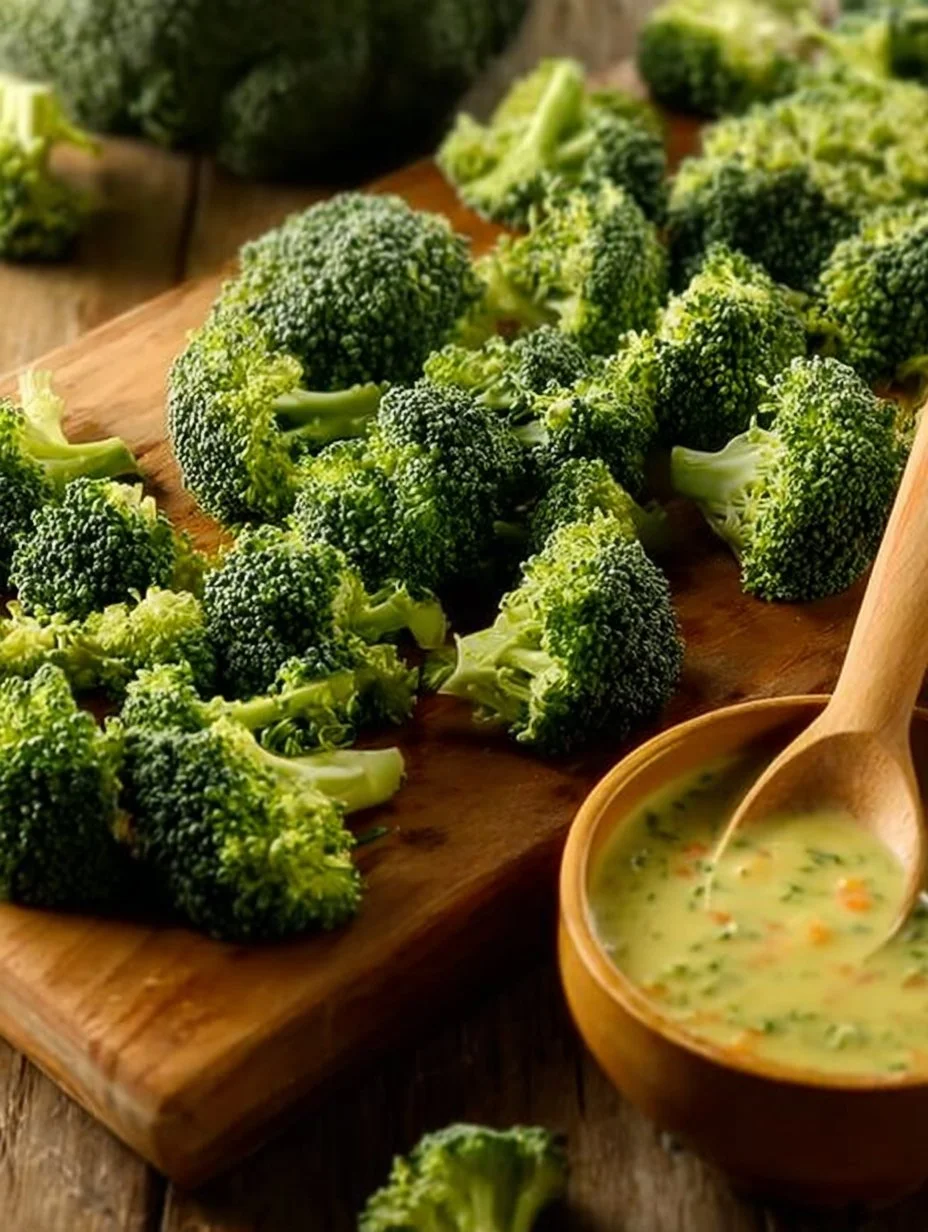
Why Choose This Recipe
When it comes to making a healthy choice for dinner, a homemade soup crafted with whole food ingredients stands out. These recipes are often free from additives, preservatives, and artificial flavors, making them not only healthier but also incredibly flavorful. Whether you’re a vegetarian, vegan, or simply looking to eat more nutritious meals, wholesome soups can fit seamlessly into any eating style.
Flavor & Texture
The beauty of whole food soups lies in their depth of flavor and variety of texture. Each ingredient contributes unique tastes and nutrients, creating a symphony that delights the palate. From the earthy essence of root vegetables to the bright notes of fresh herbs, these soups offer a satisfying meal experience. According to Healthline, fresh herbs not only enhance flavor but also provide antioxidants.
Convenience & Time
One of the best aspects of whole food soup recipes is their convenience. Most can be prepared in under an hour, making them ideal for busy weeknights. With just a few fresh ingredients, you can whip up a nutritious meal that the whole family will love. The simplicity of preparation allows you to focus on the joy of cooking without the stress of complicated techniques.
Diet-Friendly Options
In a world where dietary preferences and restrictions are prevalent, whole food soups are incredibly versatile and accommodating. Whether you’re following a gluten-free, dairy-free, or low-carb diet, there are plenty of options to suit your needs. Through the use of various spices and herbs, these soups can be tailored to enhance flavor without compromising health. For more diet-specific meal inspirations, check out our Recipes by Diet category.
Optional: Cultural Background
Soups have a rich history across various cultures, often seen as a community dish meant to bring people together. From hearty Italian minestrone to spicy Mexican pozole, these whole food soups reflect local traditions and flavors. They serve not just as nourishment but also as a means to share culinary stories and heritage.
Ingredients
- Broth (vegetable or chicken)
- Fresh vegetables (carrots, celery, bell peppers)
- Legumes (beans or lentils)
- Grains (quinoa or brown rice)
- Seasonings (salt, pepper, herbs)
- Optional toppings (avocado, herbs, seeds)
Step-by-Step Instructions
- In a large pot, heat a splash of olive oil over medium heat.
- Add diced onions, carrots, and celery; sauté until translucent.
- Stir in chopped bell peppers and garlic; cook for 2 minutes.
- Pour in the broth and bring to a boil.
- Add the legumes and grains; reduce heat and simmer for 20 minutes.
- Season with salt, pepper, and fresh herbs just before serving.
Tips & Tricks for Success
To elevate your soup, consider sautéing your vegetables before adding them to the broth. This technique caramelizes the sugars in the vegetables, resulting in a richer flavor profile. Using fresh herbs at the end of cooking preserves their bright taste and aroma. Whole food soups are not only nourishing but also simple to prepare with some kitchen-savvy twists.
Timing & Texture
Cooking times can vary based on the ingredients used. However, most whole food soups can be ready in 30 to 60 minutes. Ensure that vegetables are tender yet retain some bite—this adds texture. Aim for a balanced consistency that’s both hearty and smooth, depending on your preference.
Ingredient Swaps
If you’re out of an ingredient, don’t hesitate to swap it for another! For instance, if you don’t have quinoa, brown rice or even cauliflower rice can work just as well. Consider different legumes like chickpeas or black beans for variety. Using seasonal vegetables ensures your soup is fresh, flavorful, and environmentally friendly.
Make it Fool-Proof
To guarantee your soups turn out perfectly, measure your ingredients accurately and taste as you go. This allows you to adjust flavors and seasonings. Keep an eye on the cooking time as certain vegetables may cook quicker than others. Following these guidelines, your cozy bowls of soup will be nothing short of spectacular.
Creative Variations
Whole food soups are incredibly versatile, allowing you to experiment! Add spices like curry or cumin for warmth, or consider a splash of coconut milk for creaminess. You might decide to blend half of the soup for a creamy texture while keeping the other half chunky, creating a delightful contrast.
15-Minute Version
In a rush? Simplicity is key! Use pre-cut frozen vegetables and canned legumes to reduce prep time. Start with boiling water, toss in your ingredients, and simmer. In just 15 minutes, you’ll have a delicious soup ready to enjoy.
Healthy Option
For a health boost, consider adding leafy greens toward the end of your cooking process. Spinach, kale, or Swiss chard contribute vibrant nutrients and texture without adding many calories. This addition will make your soup not just tasty, but also a superfood powerhouse!
Pairings & Serving Suggestions
Whole food soups pair wonderfully with crusty bread or a fresh side salad. Consider incorporating a protein source, like grilled chicken or chickpeas, to make it a complete meal. Enjoy it with a glass of your favorite beverage herbal teas or infused water can complement your meal beautifully.
What to Serve With It
Enhancing your soup experience can revolve around the side dishes you choose. Opt for light, refreshing salads or flavorful grains like farro or barley to balance the richness of the soup. For more ideas on side dishes, take a look at our Side Dishes section.
Occasions & Presentation
Whole food soup is perfect for any occasion, whether it’s a cozy family dinner or a gathering of friends. For presentation, serve in elegant bowls garnished with fresh herbs or a drizzle of olive oil. A hearty soup is sure to be a crowd-pleaser, inviting shared moments over a warm meal.
Storage & Make-Ahead Tips
Most whole food soups store well in the refrigerator for up to 4-5 days. To keep the freshness, allow the soup to cool completely before transferring it into airtight containers. For longer storage, consider freezing portions for later enjoyment, ensuring healthy meals are always on hand.
Nutrition & Health Benefits
Whole food soups are nutrient-dense, providing vitamins, minerals, and antioxidants. They support digestive health, boost immunity, and can aid in weight management. By including a variety of vegetables, proteins, and whole grains, you ensure each bowl is a nourishing choice. According to Healthline, making time for nutrient-rich foods is crucial for overall well-being.
Mistakes to Avoid
Avoid overcooking your vegetables, as they can lose their texture and nutrients. It’s also easy to oversalt; start with a small amount and gradually increase to your taste. Lastly, remember to taste your soup frequently, ensuring the flavors develop harmoniously.
Hosting & Presentation Tips
When hosting, consider setting up a delicious soup bar! Provide different toppings or side options to allow guests to customize their bowls. Fresh herbs, cheese, or yogurt can elevate their experience. Well-paired sides can also enhance overall satisfaction.
FAQs
What are whole food soups?
Whole food soups are made from natural, unprocessed ingredients, emphasizing fresh vegetables, legumes, and grains for nourishment.
Can I freeze whole food soup?
Yes, whole food soups freeze well! Make sure they are stored in airtight containers after cooling.
How do I make my soup thicker?
To thicken your soup naturally, add puréed beans or vegetables. You can also stir in cooked grains.
Are there low-calorie soup options?
Absolutely! Consider broths or veggie-based soups that incorporate more vegetables and eliminate heavy creams.
Personal Closing Thought + Call-to-Action
Whole food soups embody the essence of comfort food without sacrificing nutrition. By embracing these Pin by Jessica on Dinner in 2025 | Whole food recipes, Healthy soup recipes, Soup recipes, you’re not just nourishing your body; you’re also feeding your soul. Ready to dive into a world of wholesome flavor? Try our unique soup recipes today!
Print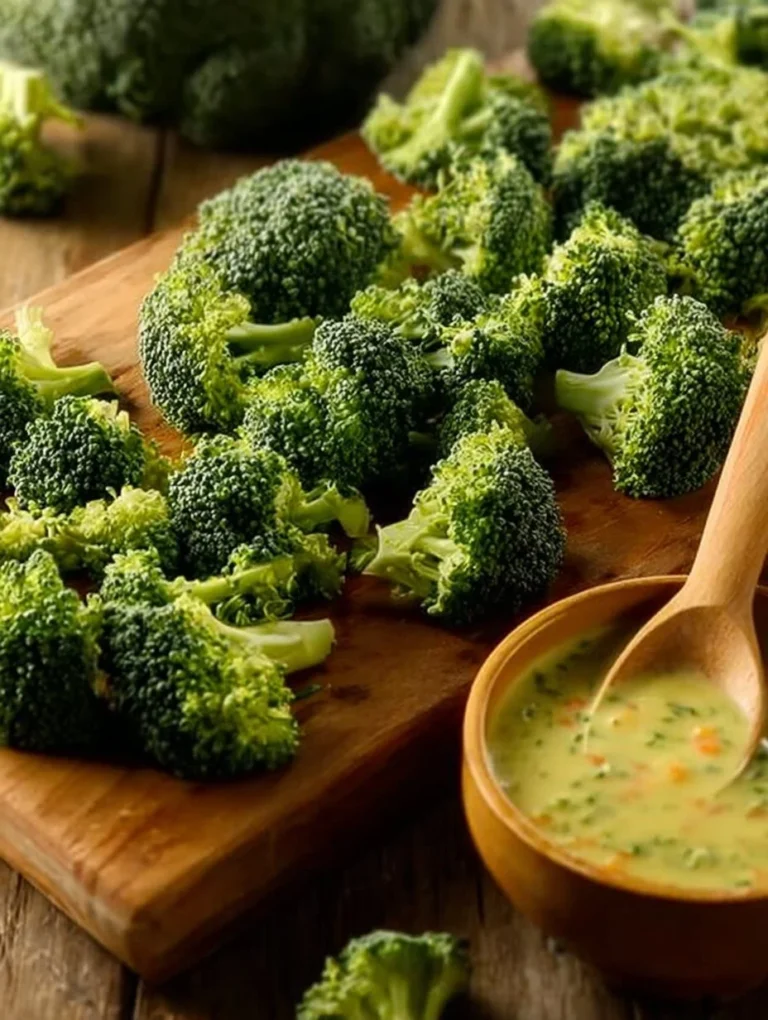
Hearty Vegetable Soup
A vibrant bowl of hearty vegetable soup showcasing a medley of fresh ingredients that are both nourishing and delicious.
- Total Time: 45 minutes
- Yield: 4 servings 1x
Ingredients
- Broth (vegetable or chicken)
- Fresh vegetables (carrots, celery, bell peppers)
- Legumes (beans or lentils)
- Grains (quinoa or brown rice)
- Seasonings (salt, pepper, herbs)
- Optional toppings (avocado, herbs, seeds)
Instructions
- In a large pot, heat a splash of olive oil over medium heat.
- Add diced onions, carrots, and celery; sauté until translucent.
- Stir in chopped bell peppers and garlic; cook for 2 minutes.
- Pour in the broth and bring to a boil.
- Add the legumes and grains; reduce heat and simmer for 20 minutes.
- Season with salt, pepper, and fresh herbs just before serving.
Notes
To elevate your soup, consider sautéing your vegetables before adding them to the broth for a richer flavor. Add leafy greens toward the end for added nutrition.
- Prep Time: 15 minutes
- Cook Time: 30 minutes
- Category: Soup
- Method: Cooking
- Cuisine: Global
- Diet: Vegetarian
Nutrition
- Serving Size: 1 serving
- Calories: 250
- Sugar: 4g
- Sodium: 350mg
- Fat: 8g
- Saturated Fat: 1g
- Unsaturated Fat: 5g
- Trans Fat: 0g
- Carbohydrates: 35g
- Fiber: 6g
- Protein: 10g
- Cholesterol: 0mg