
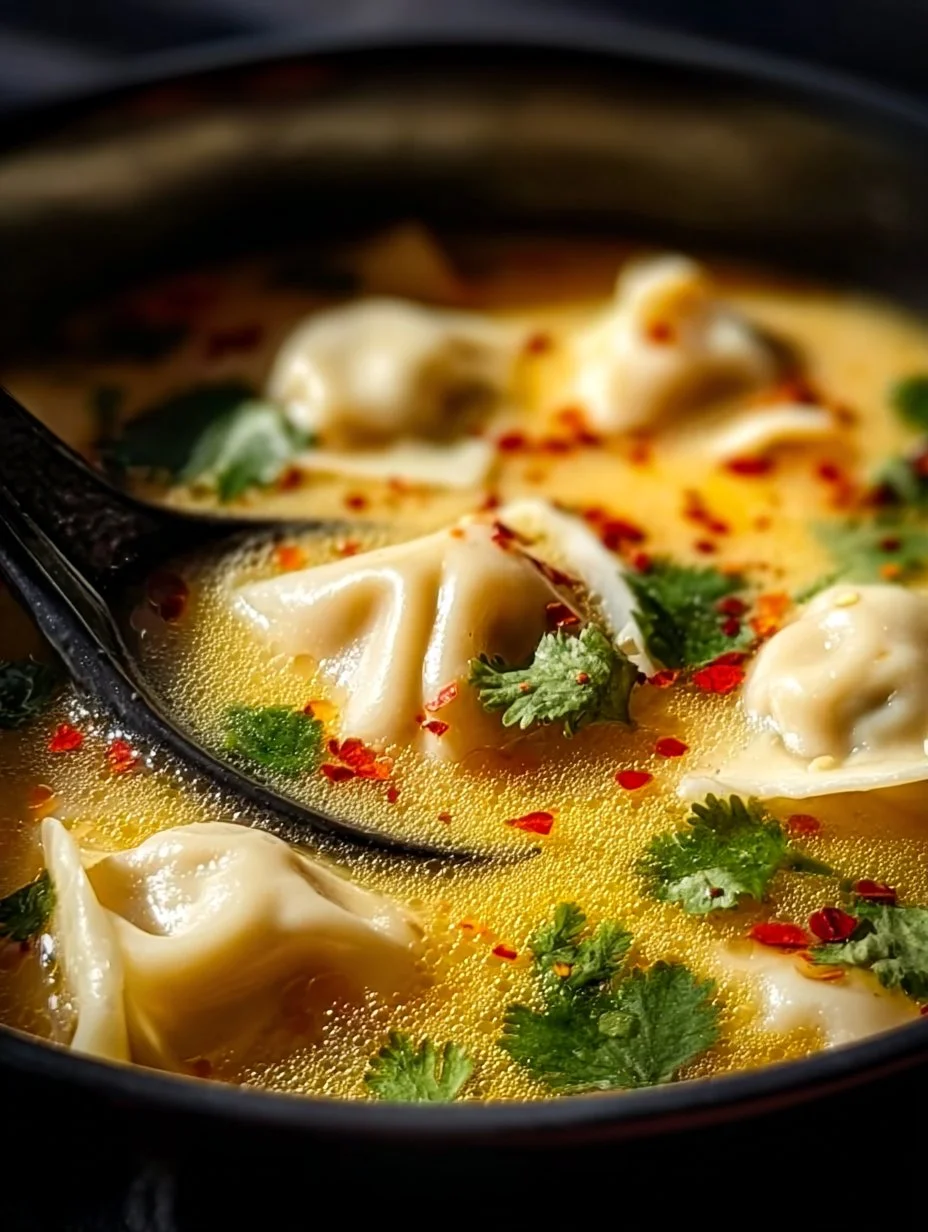
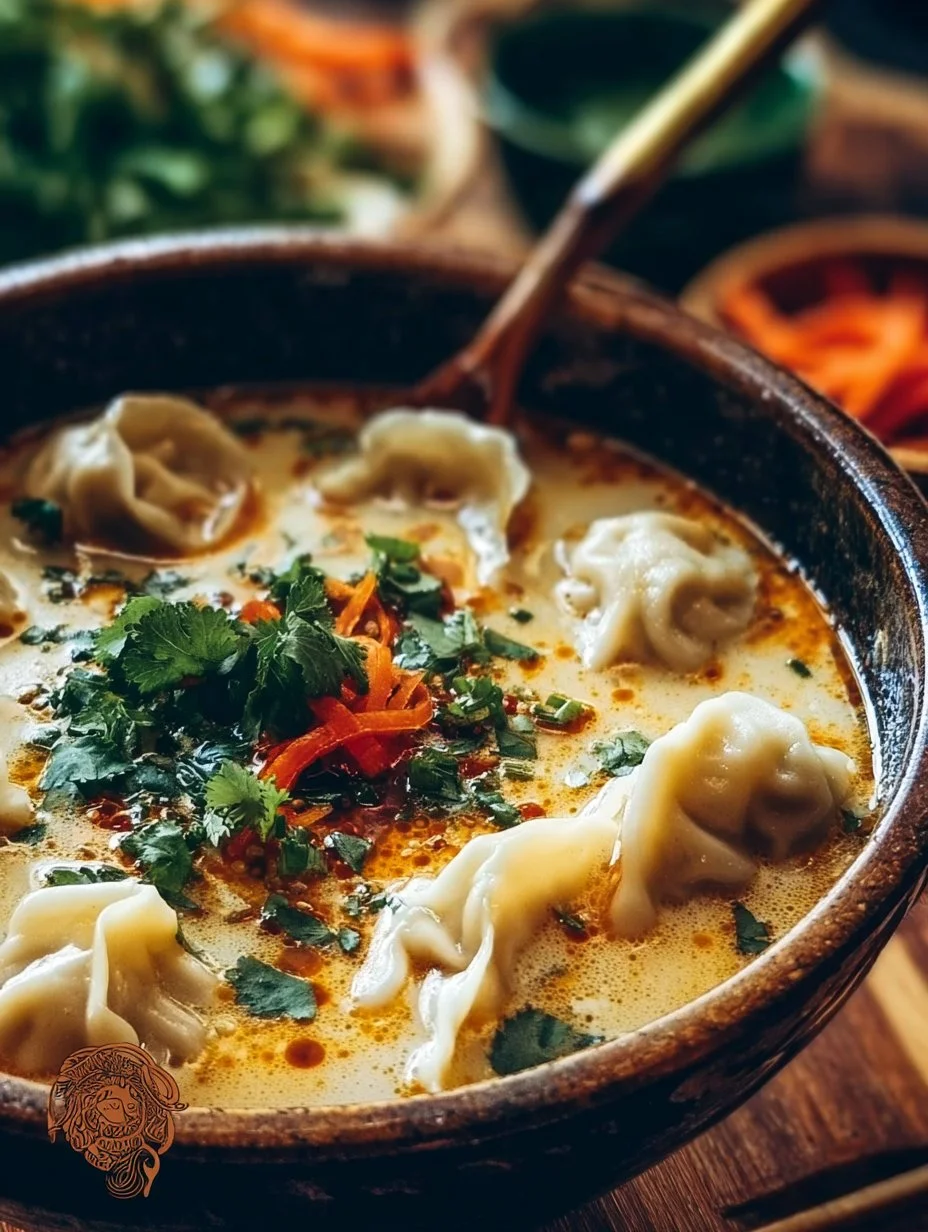
Thai potsticker soup is my go-to comfort bowl when I want something that feels both simple and special. I’ve learned that the magic lies in the contrast: crispy potsticker edges against a silky, aromatic coconut broth brightened by fresh lime and cilantro. This one-pot soup comes together in under thirty minutes, making it perfect for weeknight dinners or a quiet weekend evening. The simmering broth releases ginger and garlic aromatics while the pan-fried dumplings stay golden and tender inside. Each spoonful brings together creamy coconut warmth, savory filling, and a herbaceous finish that keeps the bowl from feeling heavy. I developed this recipe to balance convenience with thoughtful technique, so your kitchen becomes a calm place to return to. Fresh herbs scattered on top add brightness without extra effort.
Pro Tips from Chef Rita
- Sear potstickers in a thin layer of hot oil for 2-3 minutes so bottoms turn golden while fillings stay moist inside.
- Keep the broth at a gentle simmer after adding coconut milk; a rolling boil can break the milk and create graininess.
- Use fresh lime juice at the very end to brighten the coconut and lift the entire dish without heaviness.
- Reserve some cilantro and green onions for garnish right before serving to preserve their fresh color and aroma.
Table of Contents
Introduction
Comforting Thai Potsticker Soup for Cozy Nights In is an intimate bowl that balances crunch and cream, ginger heat and lime lift. The broth is silk cut with coconut, the potstickers bring a golden edge, and cilantro finishes like a bright ribbon across the surface. Serve it low light, a quiet night, a single bowl that feels both simple and considered.
Comforting Thai Potsticker Soup for Cozy Nights In folds quick technique and pantry-friendly ingredients into a small ritual of stirring and tasting, so the kitchen feels like a calm place to return to.
Why This Recipe Works
Comforting Thai Potsticker Soup for Cozy Nights In pares texture against silk for satisfying contrast; fried wrappers meet glossy coconut broth and a lime-sparked finish. The ginger and garlic steep the stock with aromatic heat while soy deepens umami without heaviness. Quick sear, gentle simmer and a final herb scatter preserve both potsticker crisp and soup softness.
This approach keeps the potstickers intact yet infused, making each mouthful layered: a tender filling, a slightly blistered skirt, then warm coconut that smooths everything out. Technique is modest and precise no long braises, just a careful sequence of high and low heat.
Flavor and Texture
A single spoonful captures a range: paper-thin wrapper, a soft, savory interior, and a creamy, lightly spiced broth that carries lime and soy. The toasted edges of pan-fried potstickers give contrast to coconut milk’s silk, creating a satisfying push and pull across the palate.
Ginger and garlic are the backbone, giving a bright bite that arrives immediately and lingers without overpowering. Cilantro and green onion finish on top, offering a crisp, herbaceous snap that lifts the bowl and keeps it from feeling heavy.
Visual balance matters: pale broth, dark potsticker hems, flecks of green. That contrast signals texture before the first taste, promising both comfort and clarity.
Convenience and Time
This recipe lives in the intersection of fast and thoughtful; it comes together in under thirty minutes when potstickers are ready-made. Frozen or homemade wrappers perform well, and a short pan-sear followed by a brief simmer integrates flavors quickly.
The technique uses one pot for broth and a skillet for searing, so cleanup is minimal and the kitchen stays functional. Comforting Thai Potsticker Soup for Cozy Nights In is ideal for weeknight dinners or a quiet weekend supper when you want something special with little fuss.
Diet Friendly Options
You can keep the recipe light by choosing vegetable broth and vegetarian potstickers while preserving the same structural contrasts. Swap the coconut for a light coconut beverage if you want lower saturated fat while maintaining the silky mouthfeel.
For a gluten-reduced bowl, seek rice-based wrappers or use tamari in place of soy sauce. Small changes adapt the profile but maintain the visual identity and the interplay between crunchy wrapper and creamy broth.
Ingredients
- 12 pieces Potstickers (homemade or frozen)
- 4 cups Chicken or Vegetable Broth
- 1 tablespoon Fresh Ginger (minced)
- 3 cloves Garlic (minced)
- 1 can Coconut Milk
- 2 tablespoons Soy Sauce
- 2 tablespoons Fresh Lime Juice
- 1/4 cup Cilantro (chopped)
- 1/4 cup Green Onions (sliced)
Step by Step Instructions
-
If using frozen potstickers, thaw slightly so edges separate; pat them dry. Heat a thin film of oil in a skillet over medium-high until shimmering, then add potstickers in a single layer and sear until bases are golden, about 2 to 3 minutes.
-
In a medium pot, warm the chicken or vegetable broth over medium heat. Add minced ginger and garlic, and simmer gently for 4 to 6 minutes to release aromatics without turning bitter.
-
Pour in the can of coconut milk and bring the broth to a gentle simmer. Stir in soy sauce, then taste and add lime juice for bright acidity; adjust seasoning carefully, balancing salt and citrus.
-
Slide the seared potstickers into the simmering broth and cook for 3 to 4 minutes just to marry flavors and finish heating through. Spoon broth over the potstickers to coat their tops and let them rest off heat for a minute.
-
Divide the potstickers and broth among bowls. Scatter chopped cilantro and sliced green onions over each serving. Serve immediately so the potstickers keep a touch of crispness while the broth remains warm and silky.
Tips and Tricks for Success
Sear potstickers in a hot, thin layer of oil so bottoms caramelize quickly while filling stays moist. After searing, avoid a rolling boil in the broth; a gentle simmer prevents tearing and keeps texture intact. Use fresh lime at the end to brighten the coconut and lift the dish.
When seasoning, remember soy adds salt and umami; start conservative and add more after the lime brightens the bowl. Reserve some herbs for garnish to preserve their fresh flavor and color.
Ingredient Swaps
If you prefer a lighter broth, use a low-sodium vegetable base and reduce the coconut by a quarter cup, making room for extra broth while keeping silk. Swap soy sauce for tamari for a slightly deeper taste and to reduce gluten content.
Change potstickers freely vegetable, chicken, or tofu fillings work without altering the dish’s identity as long as you keep the contrast between crisped exterior and soft interior. Small swaps preserve the bowl’s visual and textural balance.
Pairings and Serving Suggestions
Serve this soup with steamed jasmine rice or a small plate of pickled vegetables to add an acidic counterpoint. A chilled, thin salad is a smart partner; try a light cucumber salad for crunch and contrast, its coolness complements the warm broth.
For a composed meal, place a small side of roasted greens beside the bowl to introduce a smoky element that plays well with soy and coconut. A modest amount of chili oil at the table invites guests to dial heat to taste.
One thoughtful pairing is a simple, crisp cucumber salad such as the 5-minute Thai cucumber salad delight, which adds brightness and a cool crunch to the bowl.
Storage and Make Ahead Tips
Comforting Thai Potsticker Soup for Cozy Nights In stores well if components are separated: keep leftover broth in one container and any potstickers or garnishes in another. Reheat broth gently and add potstickers at the last moment to preserve wrapper texture.
If you must refrigerate assembled bowls, expect potstickers to soften as they absorb liquid; re-crisp by briefly pan-frying before reheating the broth. Make the broth ahead and finish with fresh herbs and lime just before serving for best results.
Nutrition and Health Benefits
The combination of ginger and garlic supports digestion while coconut contributes medium-chain triglycerides that some find satisfying and gently energizing. Using vegetable broth and plant-based potstickers keeps the bowl light and nutrient-forward without sacrificing flavor.
Fresh herbs add negligible calories with important micronutrients and antioxidants. For specific dietary needs, please consult a qualified health professional.
Mistakes to Avoid
Don’t rush the sear; an underheated pan produces soggy bases rather than crisp rims. Avoid boiling the broth once coconut is added since high heat can break the milk and create a grainy texture. Underseasoning before serving will mute the lime and ginger’s impact.
Resist overcrowding the skillet; sear in batches if necessary to maintain an even, golden crust on each wrapper. Finally, add herbs at the end to preserve color and aroma.
Personal Closing Thought and Call to Action
Comforting Thai Potsticker Soup for Cozy Nights In has a modest, considered elegance: it’s texture-forward and quietly aromatic. If you try it, notice how a single bowl can feel complete and restorative without fuss. Share your version with a photo and a short note on how you brightened the broth.
Conclusion
Comforting Thai Potsticker Soup for Cozy Nights In arrives as a simple, layered bowl that prioritizes texture, aroma, and balance. For a related take on dumpling soups and a different spice profile, explore Comforting Thai Potsticker Soup for Cozy Nights In for inspiration and contrast.
FAQ
What is the preparation time for this recipe?
The preparation time usually takes about 15 to 20 minutes depending on experience and equipment.
Can I substitute any ingredients?
Yes, Comforting Thai Potsticker Soup for Cozy Nights In can be adapted with simple substitutions like vegetable broth for chicken broth, tamari for soy sauce, or vegetarian potstickers for a plant-based option.
Is this recipe suitable for specific diets?
This recipe can be adapted with small changes depending on preferences.
How should leftovers be stored?
Store leftovers in an airtight container in the refrigerator and consume within two to three days.
Can I prepare this recipe in advance?
Many steps can be prepared ahead of time to simplify busy cooking days.
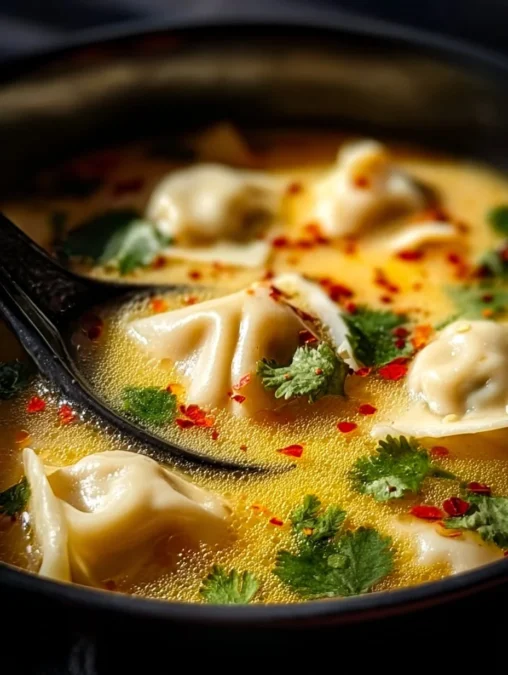
Comforting Thai Potsticker Soup for Cozy Nights In
A warm bowl that balances crunch and cream, ginger heat and lime lift, with crispy potstickers in a silky coconut broth.
Total Time: 30 minutes
Yield: 4 servings 1x
Ingredients
Scale
- 12 pieces Potstickers (homemade or frozen)
- 4 cups Chicken or Vegetable Broth
- 1 tablespoon Fresh Ginger (minced)
- 3 cloves Garlic (minced)
- 1 can Coconut Milk
- 2 tablespoons Soy Sauce
- 2 tablespoons Fresh Lime Juice
- 1/4 cup Cilantro (chopped)
- 1/4 cup Green Onions (sliced)
Instructions
- If using frozen potstickers, thaw slightly, then pat them dry. Heat oil in a skillet over medium-high until shimmering, then add potstickers and sear until golden, about 2-3 minutes.
- In a medium pot, warm the chicken or vegetable broth over medium heat. Add minced ginger and garlic, and simmer for 4-6 minutes.
- Stir in coconut milk and bring to a gentle simmer. Add soy sauce and lime juice, adjusting seasoning carefully.
- Slide seared potstickers into the broth and cook for 3-4 minutes. Spoon broth over potstickers to coat.
- Divide the potstickers and broth into bowls and garnish with cilantro and green onions. Serve immediately.
Notes
Sear potstickers in hot oil for a quick caramelization. Use fresh lime at the end to brighten the dish.
- Prep Time: 15 minutes
- Cook Time: 15 minutes
- Category: Soup
- Method: Stovetop
- Cuisine: Thai
- Diet: Vegetarian
Nutrition
- Serving Size: 1 bowl
- Calories: 250
- Sugar: 6g
- Sodium: 600mg
- Fat: 10g
- Saturated Fat: 5g
- Unsaturated Fat: 5g
- Trans Fat: 0g
- Carbohydrates: 30g
- Fiber: 2g
- Protein: 8g
- Cholesterol: 0mg
Frequently Asked Questions
Can I make Thai potsticker soup ahead of time?
Yes, prepare the broth completely and store it separately from potstickers and garnishes. Reheat the broth gently and add freshly fried potstickers just before serving to keep them crisp. If potstickers must be refrigerated assembled, they’ll soften as they absorb liquid, but you can briefly pan-fry them again to restore crispness before reheating the broth.
What’s the best way to keep potstickers crispy in soup?
Sear potstickers in a very hot skillet until the bottoms are deeply golden before adding them to the broth. Keep the broth at a gentle simmer rather than a rolling boil, and add potstickers just a few minutes before serving. This minimizes their time in liquid while still allowing flavors to marry without compromising texture.
Can I use vegetarian potstickers in this soup?
Absolutely. Vegetarian or tofu-filled potstickers work beautifully and maintain the same textural contrast with the coconut broth. Simply use vegetable broth instead of chicken broth, and the dish becomes fully plant-based while keeping all its aromatic and visual qualities intact.
What should I serve alongside Thai potsticker soup?
Light cucumber salad adds refreshing crunch and bright acidity that complements the creamy broth. Steamed jasmine rice provides heartiness, while pickled vegetables introduce a tangy counterpoint. A drizzle of chili oil at the table lets guests adjust heat to their preference without overwhelming the delicate flavors.
How can I make this soup lighter or lower-fat?
Use low-sodium vegetable broth as your base and reduce coconut milk by a quarter cup, replacing it with extra broth to maintain the silky texture. Choose vegetarian potstickers and keep all other elements the same. This adaptation preserves the visual balance and aromatic depth while reducing overall richness and calories.
Final Thoughts
This Thai potsticker soup brings restaurant-quality comfort to your table with minimal fuss. The combination of crispy dumplings and aromatic broth creates a memorable meal in under thirty minutes. If you loved this recipe, try my Crock Pot Thai Ginger Chicken Soup for another warming bowl that’s equally satisfying. You’ll also enjoy the fresh, herbaceous flavors in Sheet Pan Chicken Pitas with Herby Ranch, which pairs beautifully with similar flavor profiles.