
I’m Chef Rita, and this garlic herb chicken recipe brings restaurant-quality results to your weeknight table in under 45 minutes. The secret lies in three focused techniques: a perfectly dry surface for deep searing, butter basting for richness and shine, and a quick pan reduction that concentrates the savory glaze. When you sear the herb-rubbed chicken breasts, you lock in moisture and create fond, those caramelized browned bits that become the foundation of your glossy sauce. The contrast between the toasted garlic and thyme crust against tender, juicy meat makes this dish feel special without complicated steps. Timing and temperature guide every move, so even newer cooks achieve consistent results. Pair this with creamy mashed potatoes and fresh herbs, and you’ve created a composed plate worthy of guests. The beauty of this approach is its flexibility: you can adjust cream content, reduce brown sugar, or swap fresh herbs based on your pantry, all while keeping the searing technique that defines the dish.
Pro Tips from Chef Rita
- Pat chicken completely dry before seasoning. Moisture blocks the sear and prevents that mahogany crust from forming.
- Use a digital thermometer and pull chicken at exactly 165°F, then tent briefly with foil. This keeps meat juicy and safe.
- Watch the brown sugar carefully when making the glaze. Moderate heat prevents the sauce from turning bitter as it caramelizes.
- If time is tight, microwave-steam potatoes until just tender, then finish with cream and butter for a 10-minute shortcut.
Table of Contents
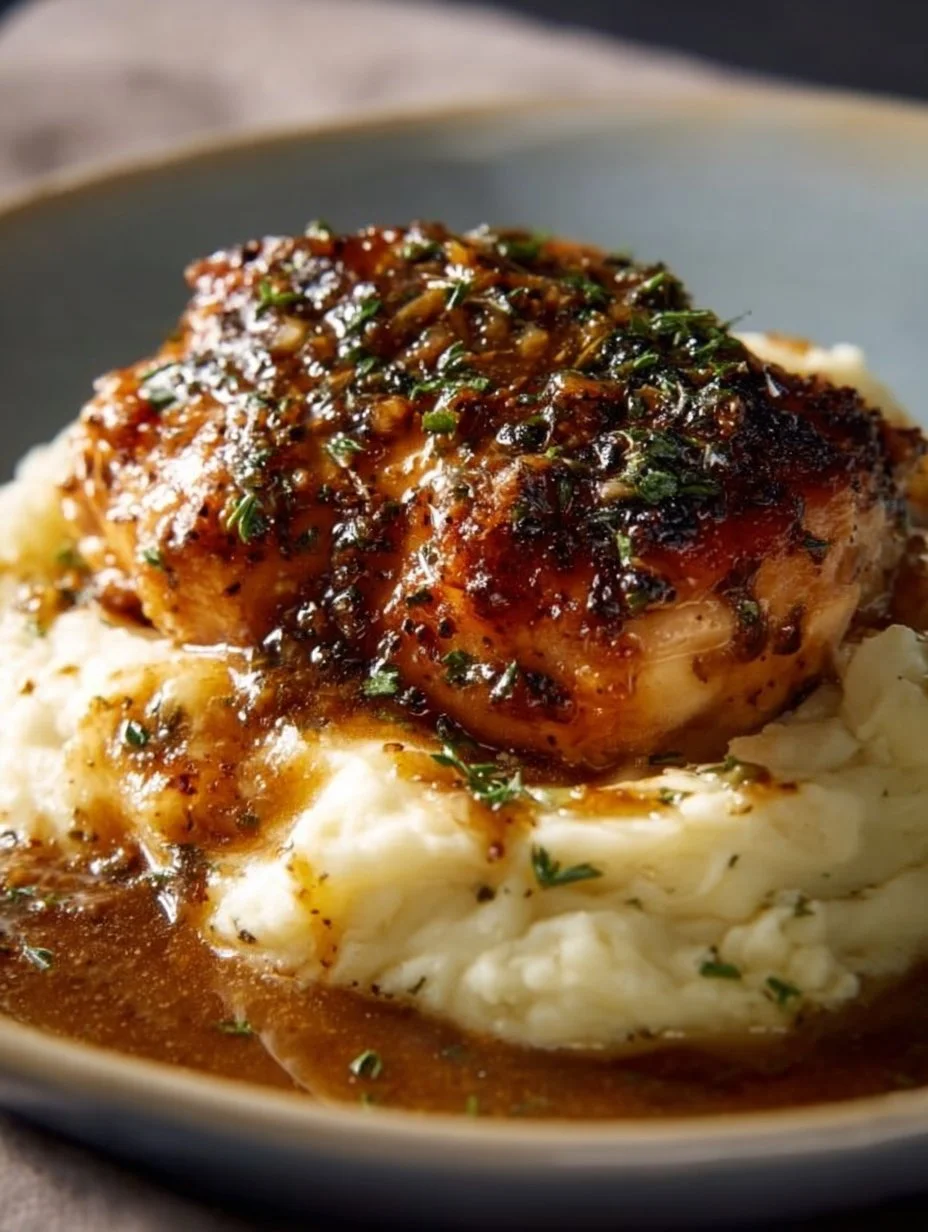
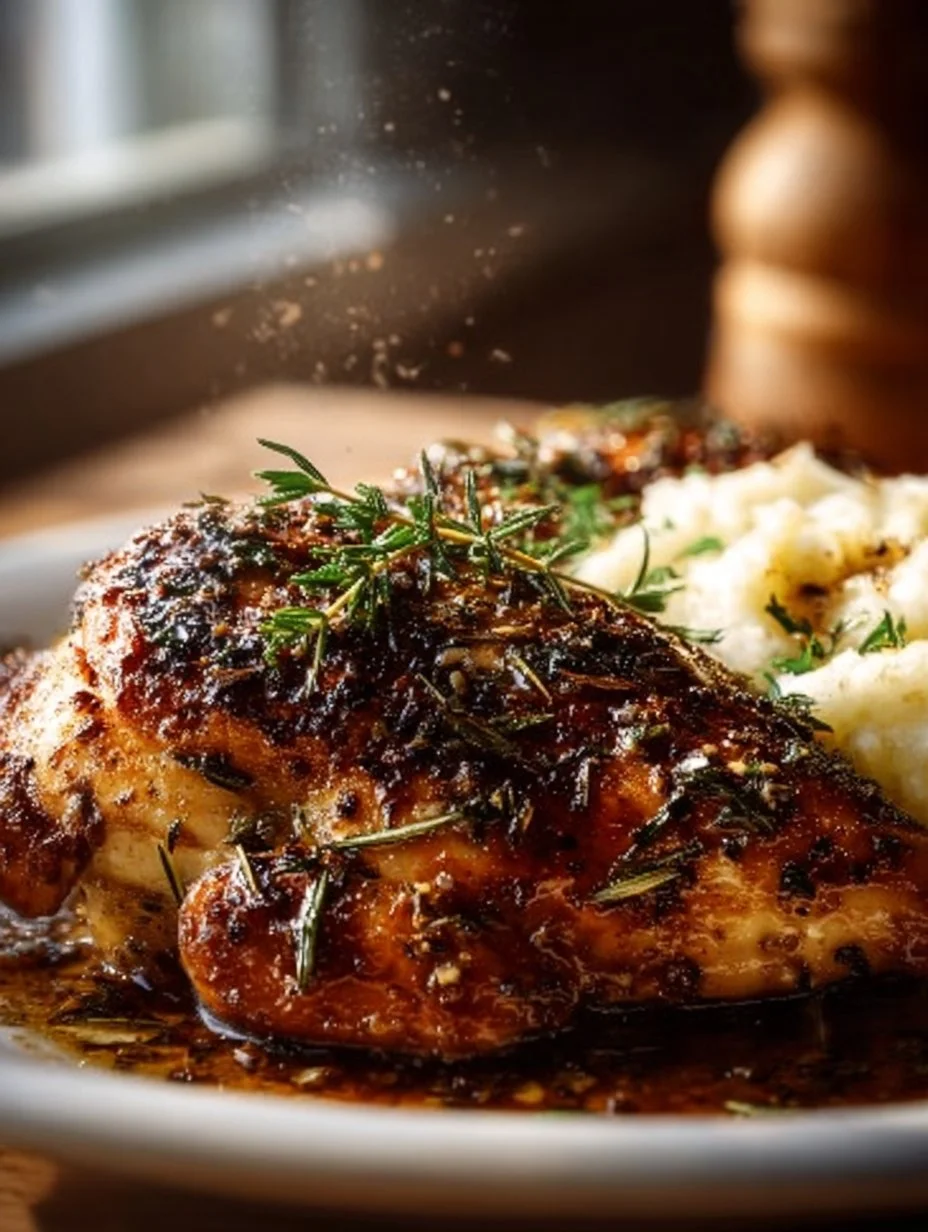
Garlic Herb Chicken arrives at the table with a gleaming caramel glaze and a crisp, herb-studded crust that gives way to silky, fully cooked meat beneath.
The contrast between the warm sticky sauce and cool parsley highlights the technique: a true pan-sear finished with a quick pan reduction.
This recipe is approachable weeknight cooking dressed in magazine polish; for alternative weeknight ideas see Garlic Herb Chicken variations within our collection.
The method is simple, detail-driven and built around timing and temperature for consistent results.
Why This Recipe Works
Garlic Herb Chicken benefits from three focused moves: a dry surface for a deep sear, butter basting for flavor and sheen, and a fast pan reduction to concentrate juices.
Searing locks in juice and creates fond the browned bits essential for a glossy, savory glaze.
A brief rest under foil equalizes temperature and keeps the interior moist while the sauce finishes.
Each element is small but precise; together they produce balance.
Flavor and Texture
A crisp golden crust yields a whisper of toasted garlic and thyme, then a tender bite that feels almost silky next to creamy potatoes.
The pan glaze, thickened and slightly syrupy, offers sharp balsamic notes against brown sugar sweetness and the buttered richness that coats the palate.
Visual contrast matters: deep mahogany sear beside pale, whipped mash makes each plate inviting.
For a slow-cooked contrast, pair this technique with a related comforting recipe such as garlic-parmesan crockpot chicken and potatoes.
Convenience and Time
The active sear and a brief pan reduction keep hands-on time compact, while mashed potatoes take a predictable simmer and mash routine.
From prep to plate this is a reliable 35, 45 minute dinner once you have mise en place: herbs chopped, potatoes cut, and a thermometer at hand.
Timing is the key convenience: while potatoes simmer, the chicken rests at room temperature and the pan reduction finishes in moments.
A single skillet handles most of the work, limiting cleanup and keeping this elegant enough for guests.
Diet Friendly Options
Swap heavy cream for milk or a plant-based alternative to lighten the mash without losing silkiness, and use olive oil in greater proportion if avoiding butter.
For lower sodium, reduce added salt and finish with a squeeze of lemon to lift flavors without relying on salt.
Keep the identity of the dish intact by preserving the sear, herbs, and pan reduction; small tweaks maintain the overall profile.
Protein portions are easily scaled to appetite while preserving the sauce ratio.
Ingredients
- 4 boneless skinless chicken breasts
- 3 tablespoons olive oil
- 4 cloves garlic, minced
- 2 tablespoons fresh parsley, chopped
- 1 tablespoon fresh thyme leaves
- 2 tablespoons butter
- 1 cup chicken broth
- 2 pounds russet potatoes
- Half cup heavy cream
- 2 tablespoons brown sugar
- 1 tablespoon balsamic vinegar
Step by Step Instructions
- Pat the chicken breasts dry with paper towels and season generously with salt and pepper on both sides. In a small bowl, combine minced garlic, chopped parsley, and thyme leaves. Rub this herb mixture all over the chicken breasts, pressing gently so it adheres to the meat. Let the chicken rest at room temperature for 10 minutes to allow the flavors to penetrate.
- Heat olive oil in a large skillet over medium-high heat until shimmering. Carefully place the chicken breasts in the pan and sear without moving them for 5-6 minutes until a deep golden-brown crust forms. Flip the chicken and cook for another 5-6 minutes. Add butter to the pan and baste the chicken with the melted butter and pan juices. Once the internal temperature reaches 165 degrees Fahrenheit, transfer chicken to a plate and tent with foil.
- In the same skillet with the remaining drippings, add brown sugar and balsamic vinegar. Stir continuously over medium heat until the sugar dissolves and begins to caramelize, about 2 minutes. Pour in chicken broth and scrape up any browned bits from the bottom of the pan. Bring to a simmer and cook for 5-7 minutes until the sauce reduces by half and becomes slightly syrupy. Taste and adjust seasoning with salt and pepper.
- While the chicken cooks, peel and cut the potatoes into evenly sized chunks. Place them in a large pot and cover with cold salted water. Bring to a boil over high heat, then reduce to a simmer and cook for 15-20 minutes until the potatoes are fork-tender. Drain thoroughly and return the potatoes to the pot. Add butter and heavy cream, then mash until smooth and creamy. Season with salt and pepper to taste.
- Spoon a generous portion of mashed potatoes onto each plate, creating a bed for the chicken. Place one chicken breast on top of the mashed potatoes. Drizzle the reduced pan sauce generously over the chicken and around the plate. Garnish with additional fresh herbs if desired. Serve immediately while hot, ensuring each guest gets plenty of that delicious sticky glaze.
Tips and Tricks for Success
Always pat the chicken completely dry; moisture prevents a proper sear and robs the crust of color and texture.
Use a digital thermometer to remove chicken at 165°F for safety and perfect juiciness, then tent briefly to settle juices.
When making the glaze, keep the heat moderate; sugar can go from caramel to bitter quickly, and slow warmth allows control.
If you’re short on time, par-cook potatoes in the microwave until just tender, then finish with cream and butter for speed.
Ingredient Swaps
Replace heavy cream with half-and-half or a mild plant milk for a lighter mash while preserving creaminess.
Butter can be reduced and supplemented with extra-virgin olive oil if dairy is limited, though butter adds a rounder mouthfeel.
Brown sugar may be cut in half and balanced with a touch more balsamic for a less sweet, more acidic glaze.
Fresh herbs are preferred, but a teaspoon of dried thyme and two teaspoons of dried parsley can stand in if needed.
Pairings and Serving Suggestions
A crisp, herbaceous salad with lemon vinaigrette cuts through the sauce and refreshes the palate between bites.
Steamed green beans or roasted broccolini add crisp green texture against the mashed potatoes’ silk.
Serve with a simple roasted carrot for color contrast and a hint of sweetness that echoes the glaze.
For a composed plate, spoon sauce both over the chicken and onto the mash so every forkful carries glaze and starch.
Storage and Make Ahead Tips
Store leftover chicken and sauce in separate airtight containers to prevent the sauce from making the crust soggy.
Reheat gently in a low oven, uncovered, to restore some surface texture and warm the sauce on the side.
Mashed potatoes keep well refrigerated for two to three days; refresh with a splash of cream when reheating.
If prepping ahead, complete the pan reduction just before serving to preserve its glossy finish and concentration.
Nutrition and Health Benefits
Chicken breasts are a lean source of protein that supports muscle maintenance and satiety with relatively low saturated fat.
Russet potatoes provide potassium and fiber, especially when served with their skins included in other preparations.
Fresh herbs add negligible calories but significant micronutrients and aroma that reduce the need for excess salt.
For specific dietary needs, please consult a qualified health professional.
Mistakes to Avoid
Crowding the pan robs the chicken of the hot surface needed for a crisp crust; cook in batches if necessary.
Skipping the brief rest will cause juices to rush out when cut, leaving meat drier than intended.
Over-reducing the glaze makes it cloying; remove it from heat when it lightly coats the back of a spoon.
Relying solely on appearance can mislead; always confirm doneness with temperature rather than color alone.
Personal Closing Thought and Call to Action
This Garlic Herb Chicken is the kind of recipe that asks for patience in technique but rewards with immediate, polished comfort.
If you enjoy quiet culinary precision, try the method once and you’ll notice the difference in crust, glaze and mouthfeel.
Share your plating or timing tweaks in the comments to help other cooks refine their approach.
Visit the site for more recipes that balance ease with editorial polish.
Conclusion
Garlic Herb Chicken finishes as a deceptively simple dish where small technical choices create an elevated result.
For a faster creamy variation that echoes the flavors here, see 15-Minute Creamy Garlic Herb Chicken – My Life In An Apron for inspiration and another efficient take on this classic profile.
FAQ
What is the preparation time for this recipe?
The preparation time usually takes about 15 to 20 minutes depending on experience and equipment.
Can I substitute any ingredients?
Yes, simple substitutions are possible depending on dietary needs or availability; for example, light cream or plant milk can replace heavy cream without changing the core Garlic Herb Chicken profile.
Is this recipe suitable for specific diets?
This recipe can be adapted with small changes depending on preferences.
How should leftovers be stored?
Store leftovers in an airtight container in the refrigerator and consume within two to three days.
Can I prepare this recipe in advance?
Many steps can be prepared ahead of time to simplify busy cooking days.
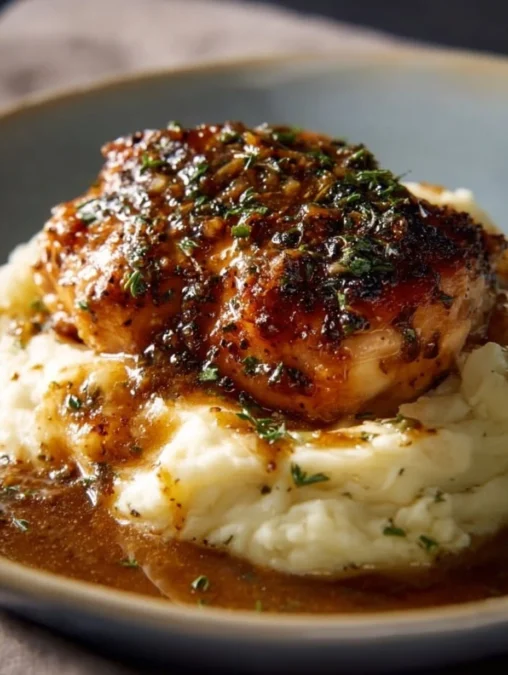
Garlic Herb Chicken
A simple yet elegant Garlic Herb Chicken with a caramel glaze and a herb-studded crust, paired with creamy mashed potatoes and a balsamic reduction.
Total Time: 45 minutes
Yield: 4 servings 1x
Ingredients
Scale
- 4 boneless skinless chicken breasts
- 3 tablespoons olive oil
- 4 cloves garlic, minced
- 2 tablespoons fresh parsley, chopped
- 1 tablespoon fresh thyme leaves
- 2 tablespoons butter
- 1 cup chicken broth
- 2 pounds russet potatoes
- ½ cup heavy cream
- 2 tablespoons brown sugar
- 1 tablespoon balsamic vinegar
Instructions
- Pat the chicken breasts dry with paper towels and season with salt and pepper on both sides. Rub the herb mixture over the chicken and let rest for 10 minutes.
- Heat olive oil in a skillet over medium-high heat. Sear the chicken for 5-6 minutes until golden brown, then flip and cook for another 5-6 minutes. Baste with melted butter and pan juices, then transfer to a plate and tent with foil.
- In the same skillet, add brown sugar and balsamic vinegar, stirring for about 2 minutes. Add chicken broth, scrape the pan, and simmer for 5-7 minutes until the sauce thickens.
- Meanwhile, peel and cut the potatoes. Boil in salted water until tender, then mash with butter and heavy cream, seasoning to taste.
- Serve the chicken atop the mashed potatoes with the pan sauce drizzled over.
Notes
For a lighter mash, substitute heavy cream with milk or a plant-based alternative. Store leftovers in airtight containers and reheat gently.
- Prep Time: 15 minutes
- Cook Time: 30 minutes
- Category: Main Course
- Method: Pan-Seared
- Cuisine: Italian
Nutrition
- Serving Size: 1 serving
- Calories: 350
- Sugar: 5g
- Sodium: 400mg
- Fat: 12g
- Saturated Fat: 4g
- Unsaturated Fat: 6g
- Trans Fat: 0g
- Carbohydrates: 45g
- Fiber: 3g
- Protein: 15g
- Cholesterol: 30mg
Frequently Asked Questions
Can I use chicken thighs instead of breasts for this recipe?
Yes. Chicken thighs stay moister during searing and have more flavor. Increase searing time to 6-7 minutes per side and check for 165°F internal temperature. Thighs take slightly longer but reward you with juicier, more forgiving results than leaner breasts.
How do I store leftover garlic herb chicken?
Store chicken and pan reduction sauce separately in airtight containers for up to three days. This prevents the crust from absorbing sauce and becoming soggy. Reheat chicken uncovered in a 300°F oven and warm the sauce on the stovetop over low heat just before serving.
What’s the best way to prevent the sauce from becoming too thick or bitter?
Keep heat at medium, not high. Watch the reduction carefully after adding broth. The sauce thickens as it simmers. Remove it from heat once it lightly coats the back of a spoon, usually after five to seven minutes. Residual heat continues the process.
Can I make this recipe ahead for meal prep?
Complete searing and pan reduction just before serving for the best texture and glaze shine. You can prep herb mixtures, peel potatoes, and measure ingredients hours ahead. The final plating takes fifteen minutes from start to serve, making it ideal for busy days.
What light cream alternatives work for mashed potatoes?
Try half-and-half for a slightly lighter version, whole milk mixed with a tablespoon of butter for richness, or unsweetened plant-based milk. Each changes the mouthfeel slightly, but all produce creamy results when whisked well into hot potatoes.
Final Thoughts
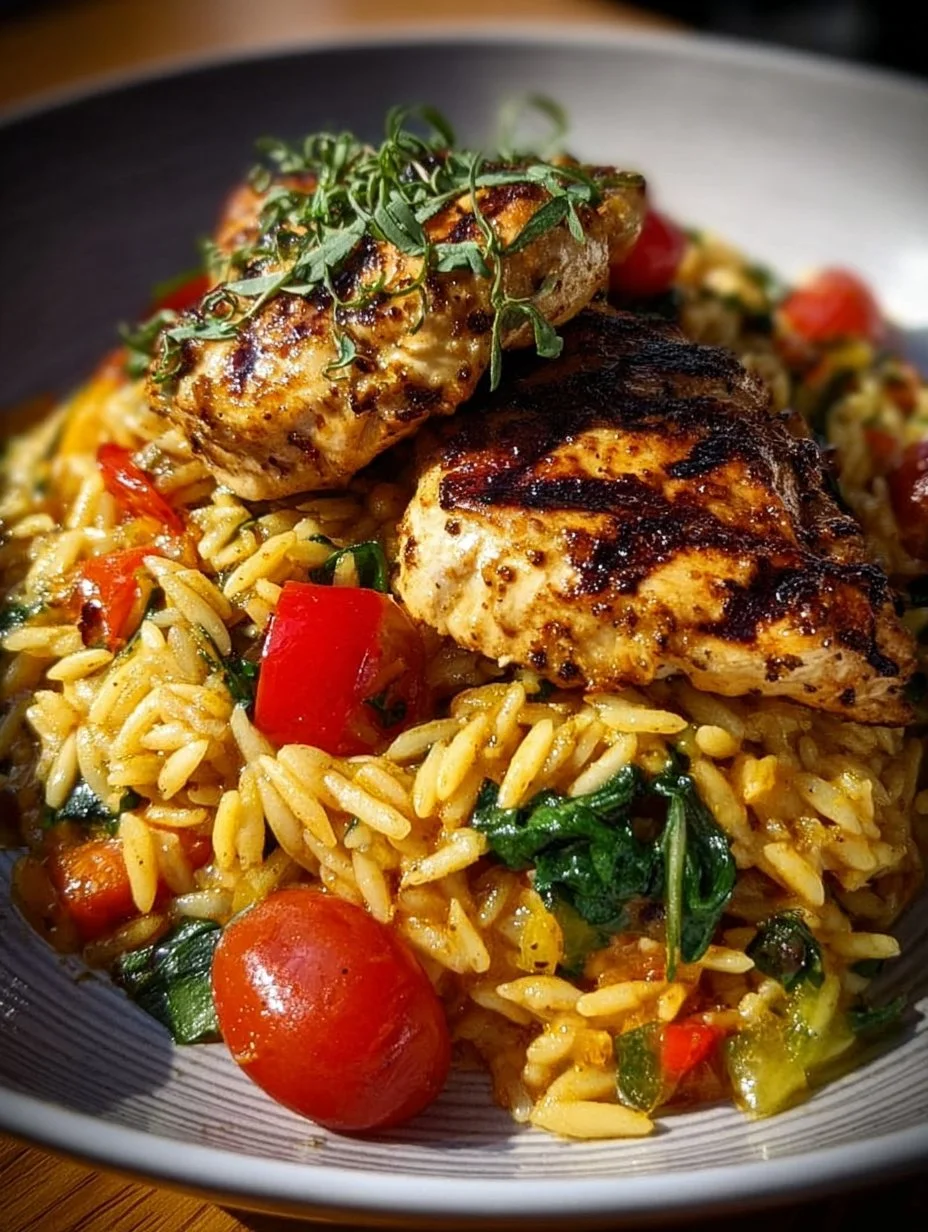
Garlic herb chicken delivers elegance with simplicity when you master the pan-sear and reduction technique. This recipe proves that restaurant-quality dinners fit into busy weeknights. Once you’ve made this version, try pairing it with our High Protein Chicken Orzo with Mediterranean Vegetables for another one-pan approach, or explore the Cowboy Butter Lemon Bowtie Chicken with Broccoli if you want a different herb and butter profile. Both recipes use the same searing foundation Chef Rita teaches here. Save this technique and adapt it to whatever proteins and herbs inspire you next.