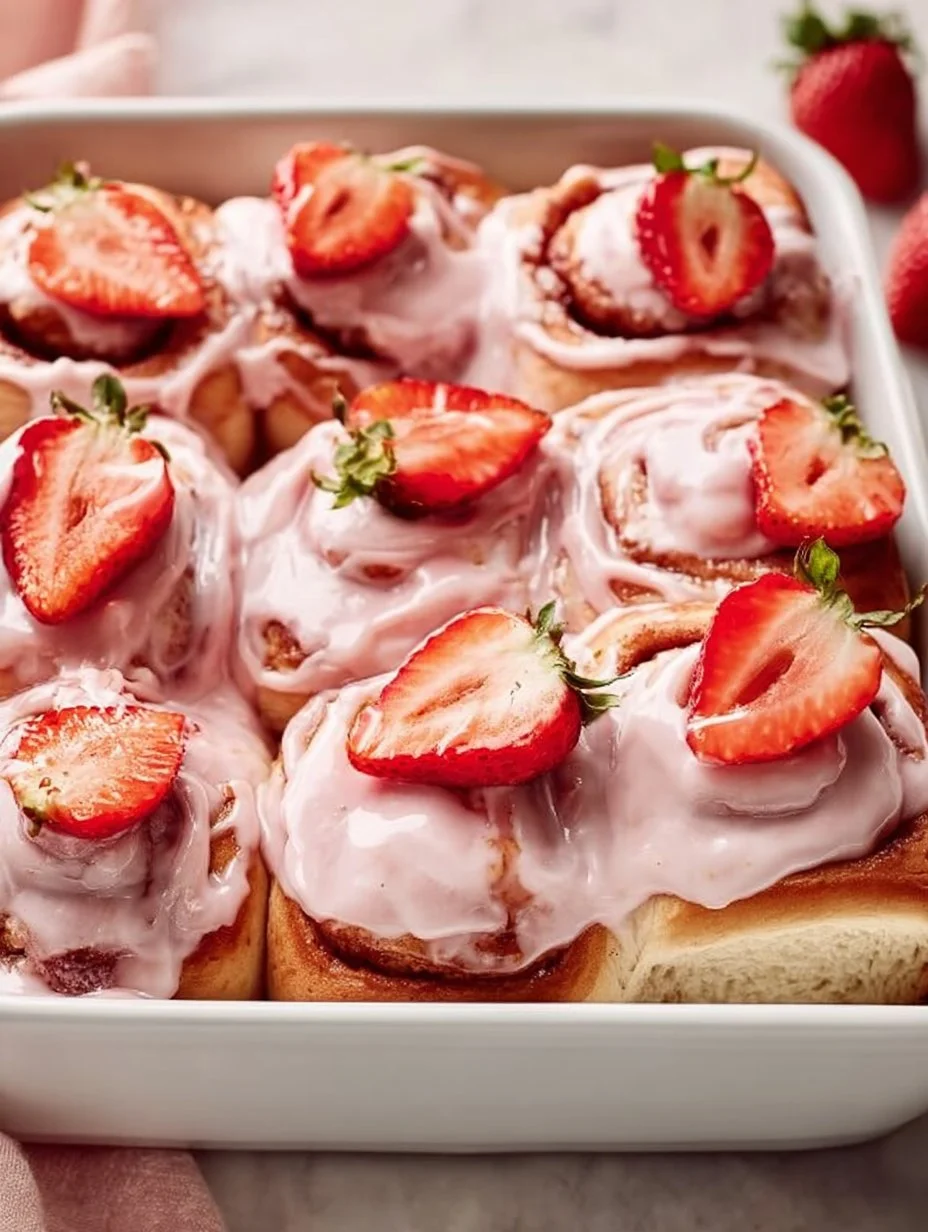

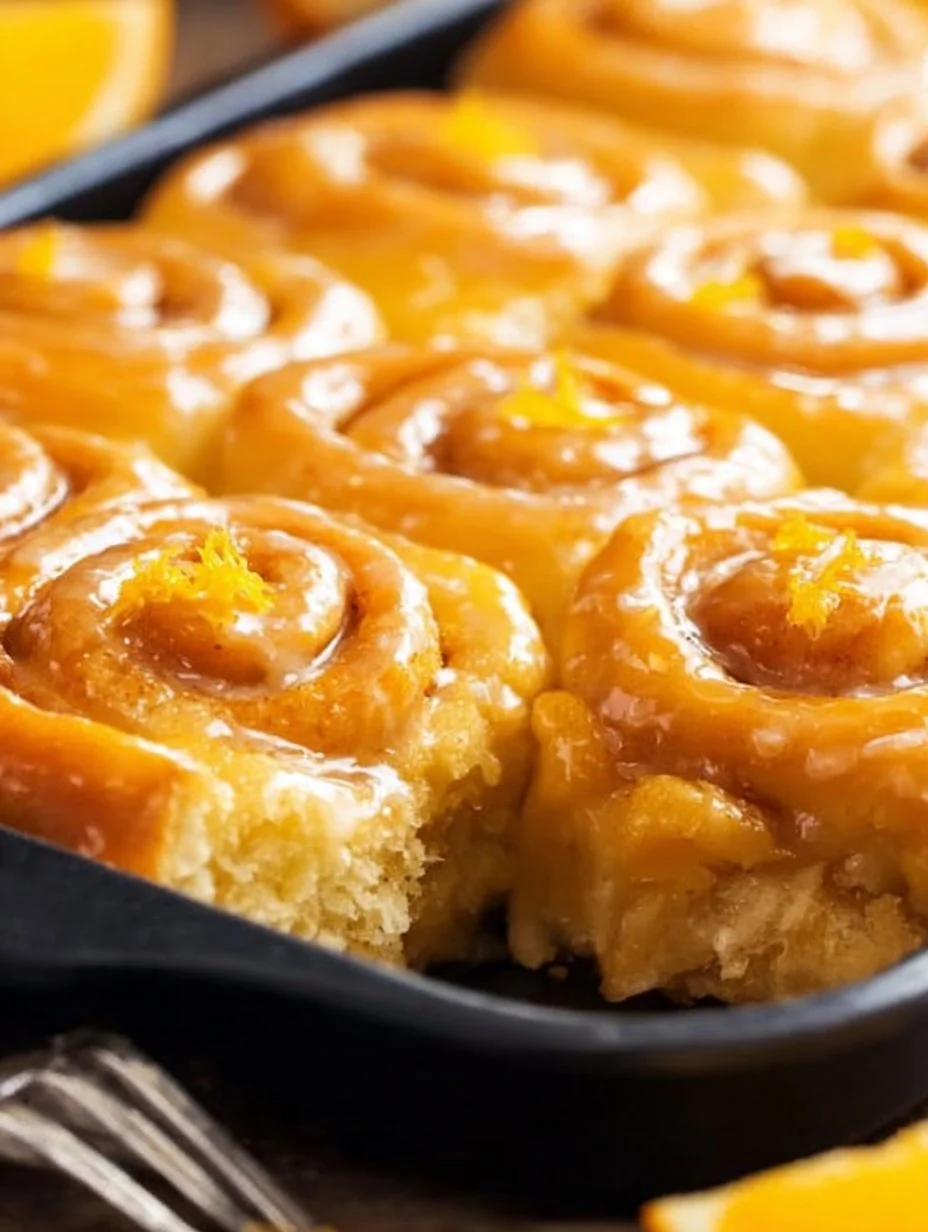
Chef Rita here, and I’m thrilled to share these homemade orange rolls. They arrive warm from the oven with a thin crackled glaze and a waft of citrus that awakens your kitchen. The dough is silk-soft, the brown sugar filling glossy where it caramelizes, and the edges offer a gentle chew with a subtle caramel crunch. What makes these rolls special is the balance of enriched dough with bright citrus notes and toasted brown sugar warmth. The milk and eggs create a tender, pillowy crumb while fresh orange juice adds brightness without heaviness. A simple warm glaze brings gloss and tangy finish that pools in the spiral wells. Whether you’re baking for a weekend brunch or a weekday treat, this recipe delivers consistent results with straightforward technique. The soft spirals bake predictably at 350°F, and you’ll have golden-brown, delicious rolls ready in under two hours from start to finish.
Pro Tips from Chef Rita
- Use warm milk between 105°F and 115°F to activate yeast reliably without killing the starter.
- When rolling the dough, keep edges straight and firm for defined spirals and even baking throughout.
- If filling escapes during slicing, chill the log briefly so the dough slices cleaner without squashing spirals.
- Bake on the middle oven rack for even heat, and place a light baking sheet underneath if bottoms brown too quickly.
Table of Contents
Introduction
Homemade Orange Rolls arrive warm from the oven with a thin crackled glaze and a waft of citrus that wakes the senses.
The dough is silk-soft, the brown sugar filling glossy where it has caramelized, the edges offer faint chew and a caramel crunch.
If you love citrus baking, try our chewy cranberry-orange cookies for a sharper, chewier counterpoint to these tender spirals.
Why This Recipe Works
Homemade Orange Rolls marry an enriched dough with citrus and brown sugar, producing tender layers and caramelized edges.
The milk and eggs create a silk-textured crumb while orange juice brightens the dough without weighing it down.
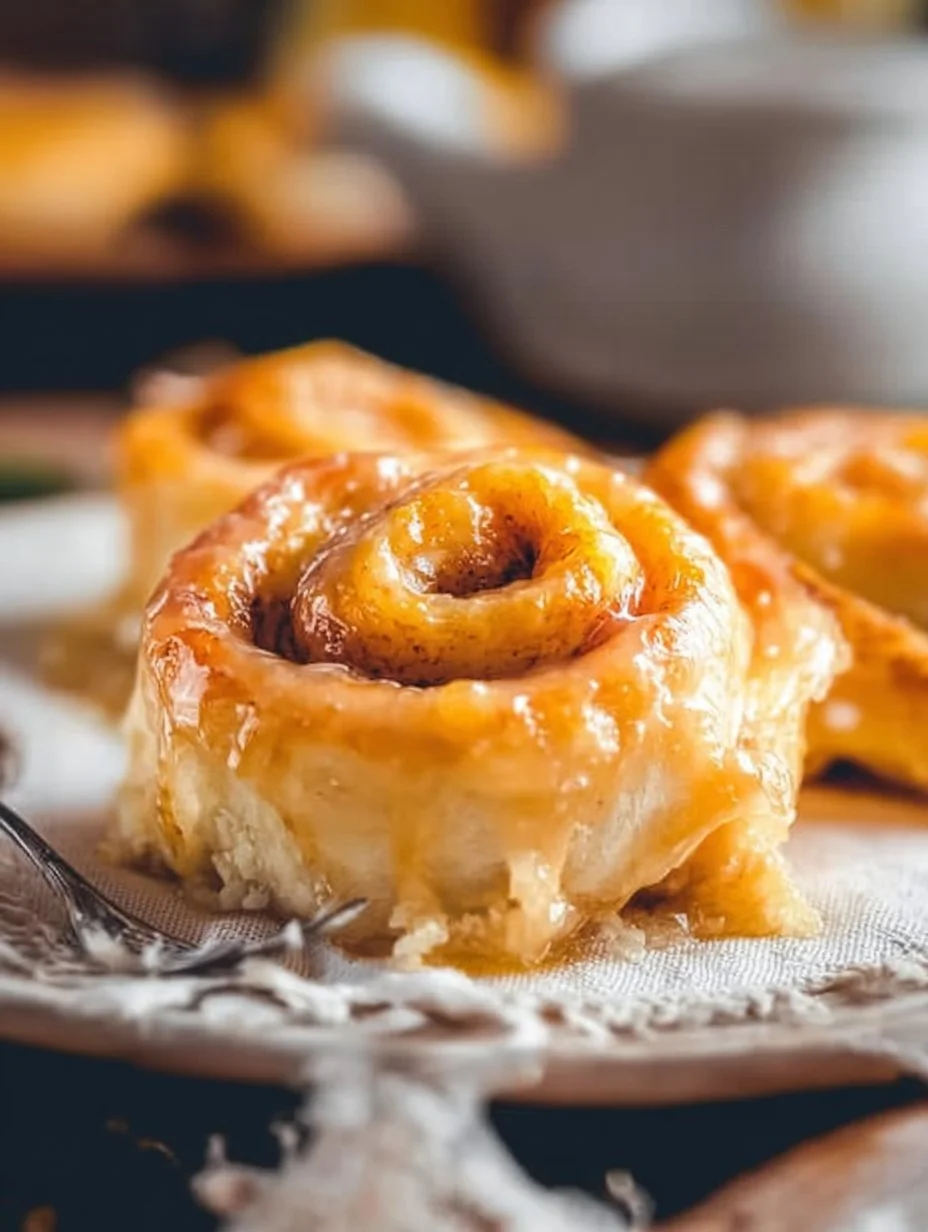
A simple, warm glaze brings gloss and a soft, tangy finish that collects in the spiral wells.
Flavor and Texture
The first bite is lightly yeasted, warm interior collapsing against a slick, sugary ribbon of filling that tastes toasted and bright.
Brown sugar melts into a sticky ribbon, its molasses notes rounding the orange zest for depth rather than sweetness alone.
Edges bake to a gentle caramel; the centers stay soft and pillowy, a pleasing contrast that asks for the glaze.
A subtle temperature contrast matters: serve slightly warm so the glaze pools without becoming runny.
Visually, the orange zest threads on the glaze catch the light and promise the citrus lift on the palate.
If you want a hint of spice, add a whisper of cardamom or finely grated ginger, but keep the orange voice dominant.
Convenience and Time
This recipe is forgiving: active dry yeast wakes quickly in warmed milk and sugar, giving a reliable 60-minute rise.
Kneading takes five to seven minutes by hand, or use a mixer to free up hands for prep and wiping counters.
Assembly is fast roll, fill, slice then a short second proof while the oven preheats keeps things relaxed.
Baking is predictable at 350°F for most home ovens; check for a golden-brown surface and a hollow sound when tapped.
Glazing while warm is the last satisfying step: it takes moments and transforms the rolls from pretty to irresistible.
Diet Friendly Options
You can lighten these rolls modestly without losing the signature texture: swap half the milk for unsweetened plant milk.
Reduce sugar slightly if you prefer a less sweet finish; the orange zest preserves brightness even with modest sweetness.
To make them dairy-free, replace butter with a neutral oil or plant butter, keeping the dough tender and the filling glossy.
For a lower-sugar glaze, mix powdered sugar with less orange juice until it just sweetens the surface; the visual will remain.
Small swaps preserve the visual identity: soft spirals, glossy glaze, and visible orange zest.
Ingredients
- 4 cups all-purpose flour
- 1/4 cup sugar
- 1 packet (1/4 ounce) active dry yeast
- 1 teaspoon salt
- 1/2 cup milk, warmed
- 1/4 cup orange juice
- 1/4 cup butter, melted
- 2 eggs
- 1/4 cup butter, softened
- 1/2 cup brown sugar
- 1 tablespoon orange zest
- 1 cup powdered sugar
- 2 tablespoons orange juice (for glaze)
Step by Step Instructions
- In a bowl, combine warm milk, sugar, and yeast; let it sit for about 5 minutes until foamy.
- In a large mixing bowl, combine flour and salt. Add the yeast mixture, melted butter, orange juice, and eggs; mix until a dough forms.
- Knead the dough on a floured surface for 5-7 minutes until smooth.
- Place the dough in a greased bowl, cover, and let it rise in a warm place for about 1 hour or until doubled in size.
- Roll out the dough into a rectangle, spread softened butter over it and sprinkle with brown sugar and orange zest.
- Roll the dough tightly and slice into rolls. Place them in a greased baking dish.
- Cover and let rise for another 30 minutes.
- Preheat the oven to 350°F (175°C) and bake for 20-25 minutes until golden brown.
- For the glaze, mix powdered sugar with orange juice until smooth.
- Drizzle the glaze over warm rolls and serve.
Tips and Tricks for Success
Use warm, not hot, milk when proofing the yeast to avoid killing the starter; aim for around 105, 115°F.
When rolling the dough, keep edges straight and firm; a snug roll gives defined spirals and even baking.
If the filling threatens to escape, chill the log briefly; chilled dough slices cleaner.
Bake on the middle rack for even heat; if the bottoms brown too fast, use a light baking sheet under the dish.
Brush melted butter on the cut tops before rising to coax a glossy, soft finish that welcomes the glaze.
Ingredient Swaps
For richer flavor, replace a tablespoon of flour with an equal weight of almond flour, keeping the dough structure intact.
Swap half the brown sugar for dark muscovado if you want deeper molasses notes without altering texture.
Use orange blossom water sparingly in the glaze for a floral lift; one teaspoon is more than enough.
If you need egg-free dough, use a commercial egg replacer or 1/4 cup unsweetened applesauce per egg, noting the crumb will be slightly denser.
These swaps should respect the visual identity: bright orange flecks, glossy glaze, and soft spirals.
Pairings and Serving Suggestions
Serve these rolls with unsweetened Greek yogurt or a smooth mascarpone to add a cooling, silky counterpoint.
A cup of medium-roast coffee or a bright tea complements the citrus without clashing with the brown-sugar warmth.
For a brunch spread, place them alongside fresh fruit and a simple cheese plate to balance sweetness and texture.
For an internal reference on citrus baking, see our Homemade Orange Rolls notes for complementary chocolate-citrus pairings and presentation ideas.
Storage and Make Ahead Tips
Cool completely before storing to prevent sogginess from trapped steam, then keep in an airtight container at room temperature for one full day.
Refrigerate for longer storage and gently reheat in a warm oven for a few minutes to revive the crust and melt the glaze slightly.
You can freeze unbaked, sliced rolls on a tray, then transfer to a bag; thaw and proof before baking for fresh results.
For make-ahead service, prepare dough the night before and let it retarded-proof in the fridge for a slower flavor development and morning bake.
Nutrition and Health Benefits
These rolls provide a comforting source of carbohydrate and a modest dose of vitamin C from fresh orange juice and zest.
Brown sugar contributes trace minerals compared with white sugar, while eggs and milk add protein and structure.
Adjust portion size and ingredient swaps for specific dietary goals to keep treats aligned with balanced eating.
For specific dietary needs, please consult a qualified health professional.
Mistakes to Avoid
Overworking dough can make rolls tough; stop kneading once the dough is smooth and slightly elastic.
Underproofing yields dense centers; allow generous rise times and look for a dough that springs back slowly.
Too much glaze masks the orange brightness; it should accent, not overwhelm, the citrus.
Cut the roll log cleanly with a sharp knife or dental floss to avoid squashing the spirals and uneven baking.
Personal Closing Thought and Call to Action
These rolls are unassuming yet refined: each bite balances glossy sweetness with a bright citrus lift and tender, layered crumb.
Try making half the batch with a hint of cardamom inside the filling for a subtle, aromatic twist that keeps the recipe’s character intact.
If you recreate them, share a photo and a brief note about your favorite pairing on social it helps the craft grow.
Conclusion
Homemade Orange Rolls feel like a small, radiant celebration at your kitchen table; they reward simple technique with layered texture and clear citrus notes.
For a variation and external inspiration that echoes this citrus spiral, see Homemade Orange Rolls for a complementary take on orange-sweet layering.
FAQ
What is the preparation time for this recipe?
The preparation time usually takes about 15 to 20 minutes depending on experience and equipment.
Can I substitute any ingredients?
Yes, simple substitutions are possible depending on dietary needs or availability.
Is this recipe suitable for specific diets?
This recipe can be adapted with small changes depending on preferences.
How should leftovers be stored?
Store leftovers in an airtight container in the refrigerator and consume within two to three days.
Can I prepare this recipe in advance?
Many steps can be prepared ahead of time to simplify busy cooking days; for instance, you can shape and refrigerate the rolls overnight before a morning bake of Homemade Orange Rolls.
Homemade Orange Rolls
Warm, silk-soft rolls filled with brown sugar and bright orange zest, topped with a sweet glaze.
Total Time: 45 minutes
Yield: 12 servings 1x
Ingredients
Scale
- 4 cups all-purpose flour
- 1/4 cup sugar
- 1 packet (1/4 ounce) active dry yeast
- 1 teaspoon salt
- 1/2 cup milk, warmed
- 1/4 cup orange juice
- 1/4 cup butter, melted
- 2 eggs
- 1/4 cup butter, softened
- 1/2 cup brown sugar
- 1 tablespoon orange zest
- 1 cup powdered sugar
- 2 tablespoons orange juice (for glaze)
Instructions
- In a bowl, combine warm milk, sugar, and yeast; let it sit for about 5 minutes until foamy.
- In a large mixing bowl, combine flour and salt. Add the yeast mixture, melted butter, orange juice, and eggs; mix until a dough forms.
- Knead the dough on a floured surface for 5-7 minutes until smooth.
- Place the dough in a greased bowl, cover, and let it rise in a warm place for about 1 hour or until doubled in size.
- Roll out the dough into a rectangle, spread softened butter over it and sprinkle with brown sugar and orange zest.
- Roll the dough tightly and slice into rolls. Place them in a greased baking dish.
- Cover and let rise for another 30 minutes.
- Preheat the oven to 350°F (175°C) and bake for 20-25 minutes until golden brown.
- For the glaze, mix powdered sugar with orange juice until smooth.
- Drizzle the glaze over warm rolls and serve.
Notes
Use warm milk around 105, 115°F for proofing the yeast. For a less sweet finish, reduce sugar slightly while maintaining the orange zest’s brightness.
- Prep Time: 20 minutes
- Cook Time: 25 minutes
- Category: Breakfast
- Method: Baking
- Cuisine: American
- Diet: Vegetarian
Nutrition
- Serving Size: 1 roll
- Calories: 220
- Sugar: 10g
- Sodium: 150mg
- Fat: 5g
- Saturated Fat: 3g
- Unsaturated Fat: 2g
- Trans Fat: 0g
- Carbohydrates: 34g
- Fiber: 1g
- Protein: 4g
- Cholesterol: 40mg
Frequently Asked Questions
Can I make homemade orange rolls ahead of time?
Yes. Prepare the dough the night before and refrigerate for a slow, flavorful rise. In the morning, let sliced rolls proof at room temperature for 30-45 minutes before baking. You can also freeze unbaked, sliced rolls on a tray, transfer to a freezer bag, thaw, and proof before baking for fresh results anytime.
What’s the best way to reheat leftover orange rolls?
Cool rolls completely before storing in an airtight container at room temperature for one day or refrigerate for longer storage. Gently reheat in a warm oven at 300°F for 5-7 minutes to revive the crust and melt the glaze slightly without drying them out.
How can I make dairy-free orange rolls?
Replace butter with neutral oil or plant-based butter to keep the dough tender and filling glossy. Swap half the milk for unsweetened plant milk. Use an egg replacer or 1/4 cup unsweetened applesauce per egg, though the crumb will be slightly denser than the original.
Can I add spices to the homemade orange rolls filling?
Absolutely. Chef Rita suggests adding a whisper of cardamom or finely grated ginger to deepen the filling’s complexity. Keep orange zest and juice dominant so the citrus remains the star. Start with a quarter teaspoon of cardamom and adjust to your preference.
Why is my glaze too thick or too thin?
The glaze should coat smoothly without dripping. Mix powdered sugar with orange juice gradually until you reach the right consistency. If too thick, add one teaspoon of juice at a time. If too thin, add more powdered sugar. Apply to warm rolls so the glaze sets properly without running.
Final Thoughts
These homemade orange rolls feel like a small celebration at your kitchen table, rewarding simple technique with layered texture and clear citrus brightness. For a complete brunch spread, pair them with our Frozen Greek Yogurt Peanut Butter Bites for a refreshing contrast, or serve alongside our Rice Pudding Renaissance for a creamy, fruity complement. If you recreate this recipe, share your results and favorite pairing on social media. Your kitchen photos help inspire other home bakers to embrace citrus baking with confidence.