
I created this Winter Vegetable Quiche to showcase the best of cold-season produce in one elegant dish. It’s a study in textural contrast: a crispy, golden crust gives way to a silky, savory custard studded with tender greens, roasted peppers, and earthy mushrooms. Whether you’re planning a leisurely brunch or a weeknight dinner, this vegetable quiche delivers restaurant-quality results with minimal effort. The beauty of this recipe lies in its flexibility. You control the vegetables, the cheese, even the crust type, making it adaptable to your pantry and preferences. I’ve refined this over years of testing to ensure the custard sets cleanly, the crust browns evenly, and every slice holds its shape. The herbs add a subtle aromatic lift without overwhelming the gentle, comforting nature of the dish.
Pro Tips from Chef Rita
- Pat vegetables dry before adding to the custard. Excess moisture creates a soggy filling and prevents clean setting. Chef Rita recommends briefly sautéing wet vegetables like mushrooms, then cooling completely.
- Whisk eggs gently with cream until just combined. Over-mixing introduces too much air, which causes cracks and an uneven top as the quiche bakes.
- Rotate your pie dish halfway through baking if your oven has hot spots. This ensures even browning around the edges and a level surface.
- Let the quiche rest for 10 minutes after removing from the oven before slicing. This allows the custard to set fully, preventing tears and creating clean, elegant wedges.
Table of Contents
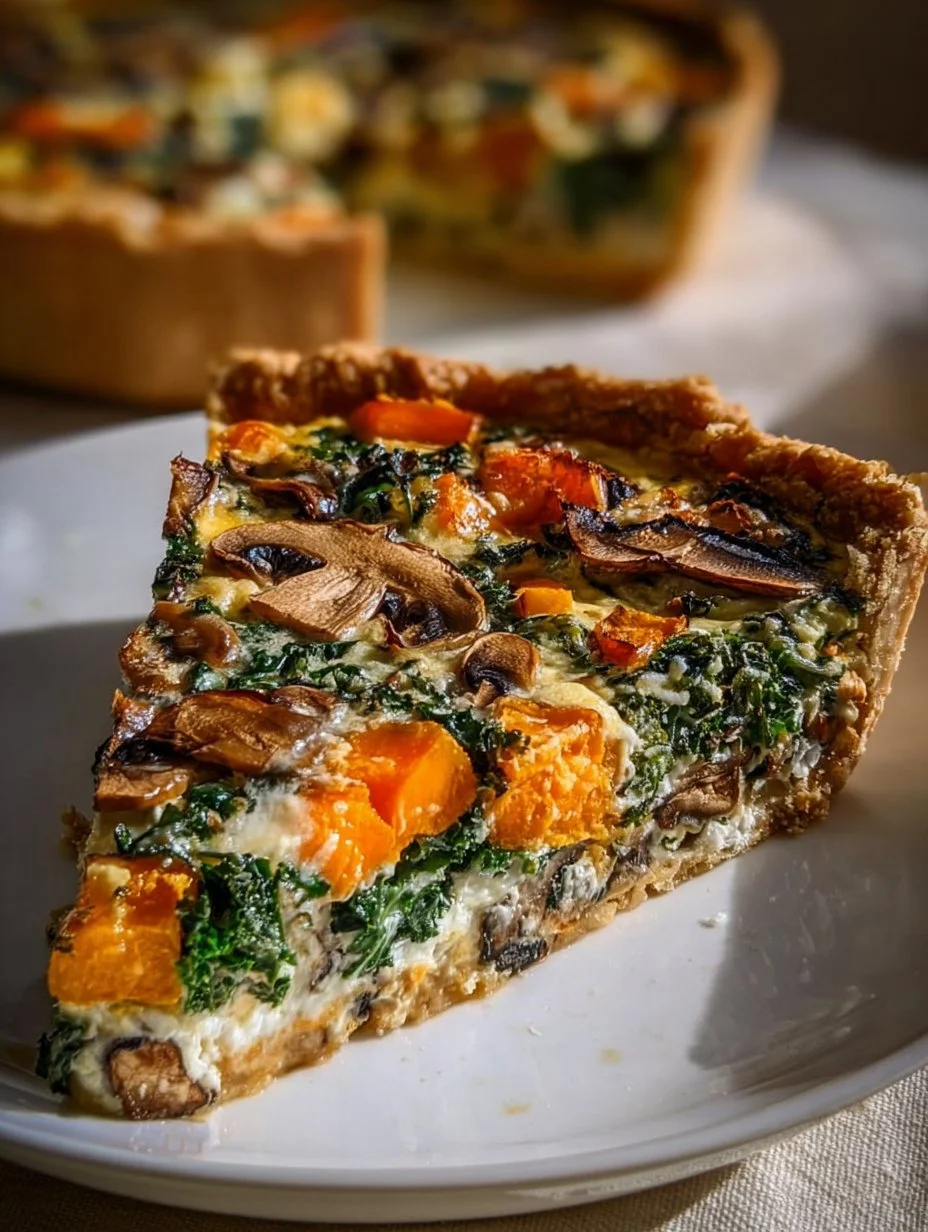
Winter Vegetable Quiche arrives as a study in contrasts: a crisp, buttery shell yielding to a silky, savory custard dotted with seasonal vegetables. The first bite shows cool, tender greens and warm, toasted crust, an elegant balance that suits weeknight dinners and leisurely brunches.
For a quick complement, try this Winter Vegetable Quiche alongside a steaming bowl of grains; see this Winter Vegetable Quiche pairing idea for texture contrasts and simple planning. A gentle finish of thyme lifts the profile without stealing the show.
Why This Recipe Works
Winter Vegetable Quiche composes an approachable technique with predictable results: a blind-bake is unnecessary when the filling is balanced and the oven steady. Eggs and cream form a custard that sets to a tender, sliceable texture while shredded cheese binds moisture and adds savory depth.
Mixed seasonal vegetables contribute varied textures wilted spinach, crisp bell pepper, and meaty mushrooms and they release just enough water if used sparingly. The pre-made crust keeps assembly quick and ensures an even, deeply browned rim when baked at the right temperature.
Flavor and Texture
The crust gives a nutty crunch that frames each bite, its edges turning flake-golden under brief, high heat. Inside, the custard is smooth, carrying the milk’s creaminess or the heavier silk of cream without heaviness.
Vegetables offer punctuation: the pepper’s snap, mushroom’s chew, and spinach’s velvet. Cheese melts into threads that pull slightly when you slice, adding salted richness that plays against the cooling air when the quiche rests.
A hint of rosemary or thyme perfumes the top, volatile oils warming in the oven and releasing a piney lift to the overall savour. Serve warm to keep the textures distinct; at room temperature the flavors knit together for a subtler mouthfeel.
quick steamed vegetables work well as a side for brightness and an added fresh texture to a composed plate.
Convenience and Time
This recipe lowers barriers: one bowl to whisk custard, one crust to fill, and a single oven bake. Prep is around twenty minutes for chopping and whisking, with the oven doing the rest.
Using a pre-made crust keeps the method accessible without sacrificing the finished impression. The bake time is predictable, and a light golden top signals readiness.
Leftovers reheat well; slices maintain integrity when warmed gently in a low oven or enjoyed cold for an effortless lunch.
Diet Friendly Options
Substituting milk for heavy cream trims calories while preserving custard structure, and low-fat cheeses reduce richness without collapsing the texture. To make the quiche vegetarian-friendly, keep the same vegetables and choose a vegetarian rennet cheese.
For a lighter crust-footprint, try a thin multigrain shell or omit the crust entirely if you prefer a crustless version that focuses on filling density and vegetable concentration.
Ingredients
- 1 pre-made pie crust
- 4 large eggs
- 1 cup heavy cream or milk
- 1 cup shredded cheese (e.g. cheddar, mozzarella, or your choice)
- 2 cups mixed seasonal vegetables (e.g. spinach, bell peppers, mushrooms, or zucchini)
- Salt and pepper to taste
- Optional: herbs like thyme or rosemary for added flavor
Step by Step Instructions
- Preheat your oven to 375°F (190°C).
- Place the pie crust in a 9-inch pie dish and set aside.
- In a large bowl, whisk together the eggs and cream until well combined. Season with salt and pepper.
- Stir in the shredded cheese and mixed vegetables.
- Pour the egg mixture into the prepared pie crust.
- Bake for 30-35 minutes or until the quiche is set and the top is lightly golden.
- Let it cool for a few minutes before slicing.
- Serve warm or at room temperature. Enjoy your delicious quiche!

Tips and Tricks for Success
Allow fillings that release moisture to drain briefly on paper before adding to the custard; a slightly drier mix will set cleaner. Whisk eggs until just blended with the cream to avoid over-aeration, which can cause fissures on the top as it bakes.
Bake until the center is only slightly wobbly; it will continue to set as it cools. Using a shallow pie dish encourages quicker, even cooking and a better crust-to-filling ratio.
Rotate the pan once during baking if your oven has hot spots, and let the quiche rest ten minutes before slicing to preserve clean wedges.
Ingredient Swaps
If you need a dairy-free version, use a full-fat plant milk plus a firm plant-based cheese that melts well. Swap cheddar for gruyère for a nutty, browned crust top, or use fontina for a smoother melt.
For a leaner result, use milk instead of cream and reduce the cheese by a quarter; the custard will remain tender with careful seasoning. When you make Winter Vegetable Quiche this way, pay attention to seasoning to compensate for reduced fat.
Pairings and Serving Suggestions
Serve slices with a crisp salad dressed simply in lemon and olive oil to cut through the richness, or pair with roasted root vegetables for an earthy plate. A light soup, such as a clear vegetable consommé, complements the quiche without overpowering it.
For brunch, offer sliced fruit and toasted grains to vary textures and keep the overall meal bright.
Storage and Make Ahead Tips
You can assemble the quiche up to a day ahead and refrigerate before baking; allow an extra five minutes in the oven if chilled. Cooled slices store well in an airtight container for two to three days.
Reheat in a low oven to refresh crust crispness rather than microwaving, which can make the pastry soft and the custard rubbery.
Nutrition and Health Benefits
This dish delivers vegetables, protein from eggs, and calcium from cheese in one composed serving. Choosing milk over cream and increasing greens can improve nutrient density while keeping the mouthfeel pleasant.
Portion control turns a rich-sounding dish into a balanced meal with salad and whole grains on the side. For specific dietary needs, please consult a qualified health professional.
Mistakes to Avoid
Avoid overfilling the crust, which can spill and prevent even browning. Do not overcook; a dry, cracked top is a sign the eggs were baked too long. Underseasoning the custard will yield bland slices, so taste and adjust seasonings before pouring.
If vegetables are very wet, briefly sauté and cool to preserve texture and prevent a soggy base.
Personal Closing Thought and Call to Action
This Winter Vegetable Quiche is simple yet refined, a small indulgence that celebrates cold-weather produce and calm technique. Try swapping a single vegetable each season to keep the dish fresh and personal.
If you make it, share a photo and note which vegetables you favored; the variations are part of the pleasure.
Conclusion
Winter Vegetable Quiche feels at once familiar and deliberate, an easy recipe that rewards a little care. For a lighter, crustless option that preserves the flavor profile while changing texture, explore this Winter Vegetable Quiche adaptation from a trusted source.
FAQ
What is the preparation time for this recipe?
The preparation time usually takes about 15 to 20 minutes depending on experience and equipment.
Can I substitute any ingredients?
Yes, simple substitutions are possible depending on dietary needs or availability.
Is this recipe suitable for specific diets?
This Winter Vegetable Quiche can be adapted with small changes depending on preferences.
How should leftovers be stored?
Store leftovers in an airtight container in the refrigerator and consume within two to three days.
Can I prepare this recipe in advance?
Many steps can be prepared ahead of time to simplify busy cooking days.
Winter Vegetable Quiche
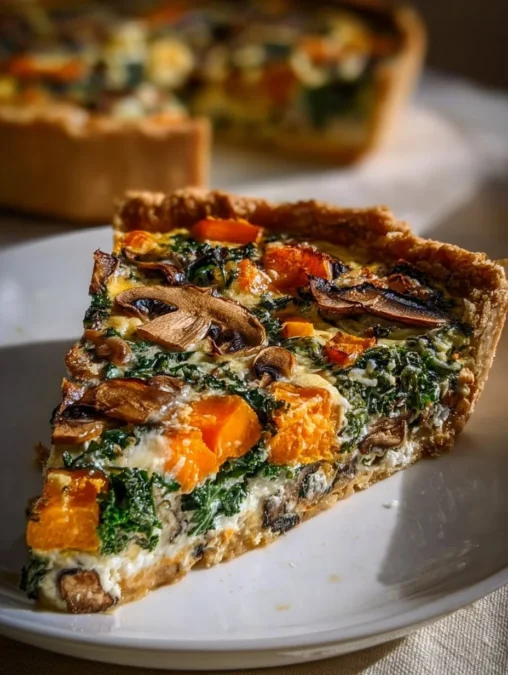
A delicious quiche filled with seasonal vegetables, featuring a buttery crust and creamy custard.
Total Time: 55 minutes
Yield: 6 servings 1x
Ingredients
Scale
- 1 pre-made pie crust
- 4 large eggs
- 1 cup heavy cream or milk
- 1 cup shredded cheese (e.g. cheddar, mozzarella, or your choice)
- 2 cups mixed seasonal vegetables (e.g. spinach, bell peppers, mushrooms, or zucchini)
- Salt and pepper to taste
- Optional: herbs like thyme or rosemary for added flavor
Instructions
- Preheat your oven to 375°F (190°C).
- Place the pie crust in a 9-inch pie dish and set aside.
- In a large bowl, whisk together the eggs and cream until well combined. Season with salt and pepper.
- Stir in the shredded cheese and mixed vegetables.
- Pour the egg mixture into the prepared pie crust.
- Bake for 30-35 minutes or until the quiche is set and the top is lightly golden.
- Let it cool for a few minutes before slicing.
- Serve warm or at room temperature. Enjoy your delicious quiche!
Notes
Allow fillings that release moisture to drain briefly on paper before adding to the custard. Rotate the pan once during baking for even cooking.
- Prep Time: 20 minutes
- Cook Time: 35 minutes
- Category: Main Course
- Method: Baking
- Cuisine: French
- Diet: Vegetarian
Nutrition
- Serving Size: 1 slice
- Calories: 350
- Sugar: 3g
- Sodium: 450mg
- Fat: 25g
- Saturated Fat: 12g
- Unsaturated Fat: 10g
- Trans Fat: 0g
- Carbohydrates: 30g
- Fiber: 2g
- Protein: 10g
- Cholesterol: 150mg
Frequently Asked Questions
Can I make this Winter Vegetable Quiche ahead of time?
Yes, assemble the quiche up to 24 hours in advance and refrigerate before baking. Add 5 extra minutes to the bake time if starting from cold. Cooled slices store in an airtight container for 2 to 3 days. Reheat gently in a 300°F oven to restore crust crispness without drying the custard.
What vegetables work best for Winter Vegetable Quiche?
Choose a mix of textures: wilted spinach, diced bell peppers, sautéed mushrooms, and caramelized onions. Avoid very watery vegetables like fresh tomatoes. Pat everything dry to prevent a soggy filling. Seasonal options include kale, leeks, Brussels sprouts, and roasted broccoli for added depth.
How do I know when the Winter Vegetable Quiche is done baking?
Bake for 30 to 35 minutes until the top is lightly golden and the center is just barely wobbly when gently shaken. The custard continues setting as it cools, so avoid overbaking. A fully firm center may indicate overcooking, resulting in a dry, cracked top.
Can I make a crustless version of this quiche?
Absolutely. Pour the filling directly into a greased pie dish and bake at 375°F for 35 to 40 minutes. The custard will set slightly thicker without the crust structure. This version works well for low-carb or gluten-free diets while maintaining the same delicious flavor.
What cheese is best for Winter Vegetable Quiche?
Sharp cheddar provides bold flavor, while gruyère adds nutty complexity. Mozzarella creates a milder, creamier texture. Fontina melts beautifully for a smooth custard. Use aged cheeses over pre-shredded varieties for better melting and deeper flavor development throughout the quiche.
Final Thoughts
This Winter Vegetable Quiche proves that simple techniques and quality ingredients create memorable meals. The versatility means you can adapt it seasonally, swapping vegetables based on what’s fresh. If you enjoy this quiche’s clean, vegetable-forward approach, explore our Healthy Quinoa Black Bean Casserole for another satisfying one-pan option. Both recipes celebrate whole ingredients and deliver leftovers that taste even better the next day. Share your favorite vegetable combinations with us.