
Za’atar Spiced Flatbread Recipe: Creamy & Tangy Delight
Introduction
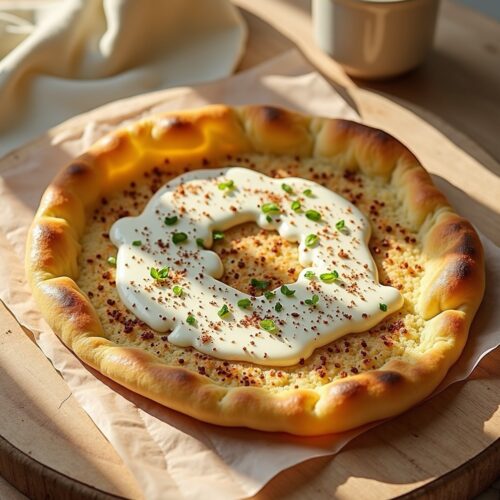
Za’atar Spiced Flatbread with Labneh is one of those recipes that feels like a warm hug from an old friend. I remember the first time I made it I was standing in my tiny kitchen, the afternoon light slanting through the window, and the smell of toasted sesame and wild thyme filled every corner. My hands were dusted with flour, and I had a bowl of thick, tangy labneh waiting in the fridge. That first bite? Absolute magic. The crispy, chewy bread, the floral herbaceous za’atar, and the creamy, slightly sour labneh came together in a way that made me wonder why I hadn’t discovered this combination sooner.
This isn’t just bread. It’s an experience. A quick, no-fuss flatbread that you can whip up in under an hour, then slather with homemade or store-bought labneh and watch it disappear. Whether you’re hosting a casual brunch, packing a picnic, or just need a satisfying snack that feels special, this recipe delivers. And the best part? It’s endlessly adaptable. You can serve Za’atar Spiced Flatbread with Labneh as a side to soups and salads, or pile it high with roasted vegetables for a light meal. It’s the kind of dish that makes you look like a hero in the kitchen with minimal effort.
The Science and Secrets of Za’atar Spiced Flatbread with Labneh
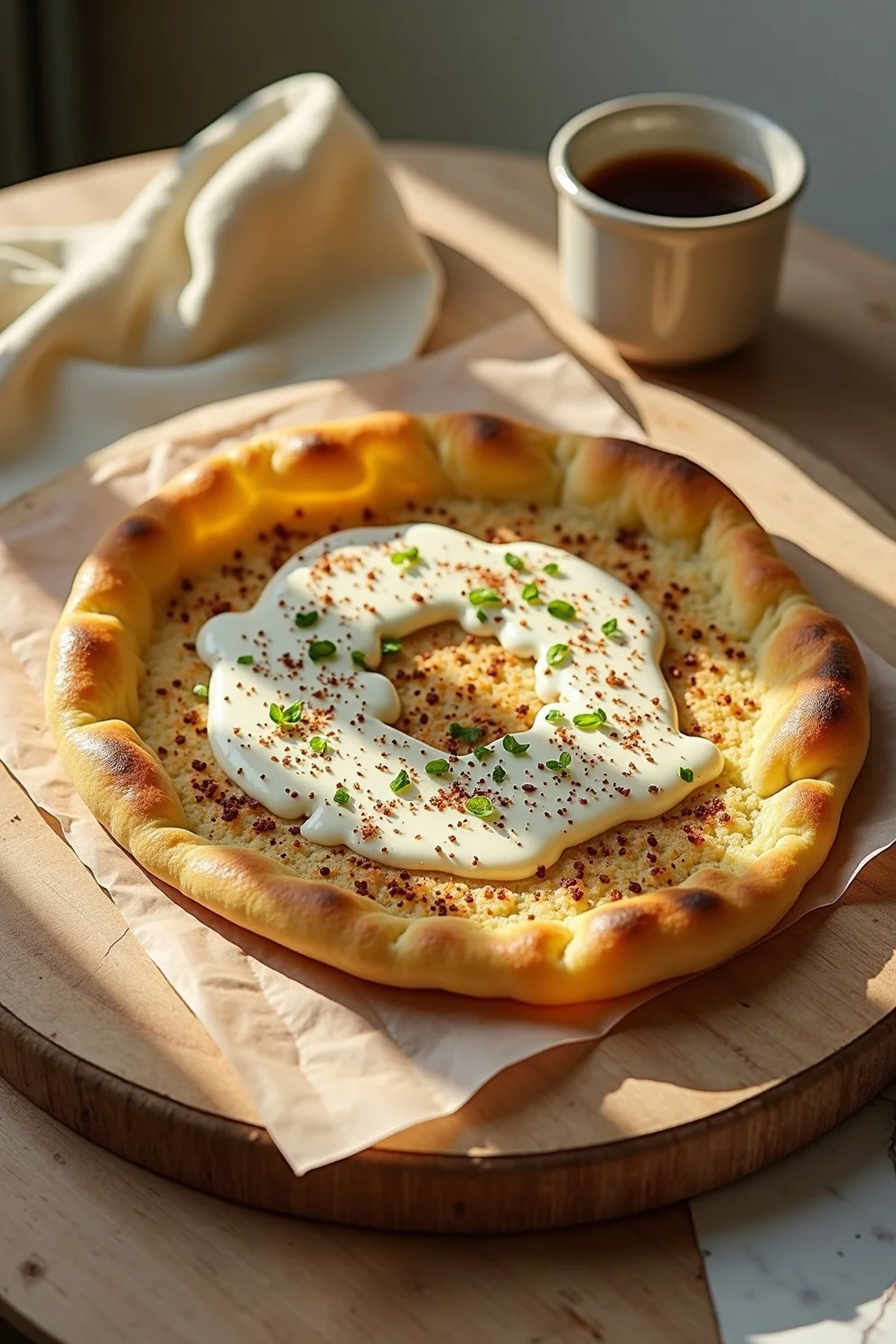
So why does this simple flatbread work so beautifully? It’s all about balance. The dough uses a combination of all-purpose flour and a touch of whole wheat or bread flour for structure, plus olive oil for tenderness. The oil keeps the crumb soft and prevents the bread from drying out during the high-heat cooking. When you press the za’atar into the dough before it hits the skillet, the heat releases the essential oils from the thyme, sumac, and sesame seeds, creating an aromatic crust that perfumes the entire kitchen.
The labneh a strained yogurt cheese plays a crucial cooling role. Its tangy, creamy richness cuts through the earthy, slightly tart za’atar, making each bite harmonious. Labneh is naturally thick and spreadable because it’s been strained to remove whey, concentrating the protein and fat. This gives it a luxurious texture that clings to the warm bread without dripping. If you’ve never made labneh, it’s shockingly easy: just mix yogurt with a pinch of salt and let it drain in cheesecloth overnight. But store-bought works perfectly too.
Temperature matters here. Cooking the flatbread in a screaming hot cast-iron skillet mimics a tandoor or pizza oven, giving you those beautiful charred spots and a blistered surface. The high heat also activates the za’atar’s pungency in a way that low-and-slow baking never could. For an even deeper flavor, let your dough rest for 20 minutes after mixing this relaxes the gluten, making the bread more tender and easier to roll out.
Chef’s Tip for Za’atar Spiced Flatbread with Labneh
Toast your za’atar briefly in a dry skillet before sprinkling it on the flatbread. Just 30 seconds over medium heat swirling constantly until fragrant will intensify the sumac’s lemon notes and deepen the sesame’s nuttiness. Let it cool slightly before using, then press it firmly into the raw dough so it stays put during cooking. This small step transforms the flavor profile from good to unforgettable.
Ingredients & Substitutions
- For the flatbread:
– 2 cups (250g) all-purpose flour (or a 50/50 mix of all-purpose and whole wheat for more fiber)
– 1 teaspoon baking powder
– 1/2 teaspoon salt
– 3 tablespoons olive oil (plus more for brushing)
– 3/4 cup (180ml) warm water (adjust as needed)
– 3 4 tablespoons za’atar spice blend (store-bought or homemade: mix dried thyme, sumac, sesame seeds, and salt)
- For serving:
– 1 cup homemade or store-bought labneh (or thick Greek yogurt as a quick sub)
– Fresh herbs like mint, parsley, or dill for garnish
– Extra virgin olive oil for drizzling
– Flaky sea salt
Health-conscious substitutions:
Swap all-purpose flour with whole wheat pastry flour or a gluten-free 1:1 blend. For the labneh, use a dairy-free yogurt like coconut milk yogurt strained overnight it won’t be as thick but still delicious. Reduce olive oil to 2 tablespoons if you’re watching fat, though the bread will be slightly less tender. To lower sodium, use a salt-free za’atar blend and season lightly.
Step-by-Step Instructions
- Make the dough. In a large bowl, whisk together the flour, baking powder, and salt. Create a well in the center, then add the olive oil and warm water. Stir with a fork until a shaggy dough forms. Don’t overmix you just want everything hydrated.
- Knead briefly. Turn the dough onto a lightly floured surface. Knead gently for about 2 minutes, until smooth and elastic. It should feel soft, not sticky. If it’s too tacky, add flour a teaspoon at a time. Cover with a damp towel and let rest for 15 minutes. (You can skip this rest if you’re in a rush, but the texture improves with it.)
- Divide and shape. Cut the dough into 4 equal pieces. Roll each into a ball, then flatten into a disc. Using a rolling pin (or your hands for a rustic look), roll each disc into a rough circle about 6 7 inches across and 1/4 inch thick. Keep the unrolled pieces covered so they don’t dry out.
- Apply the za’atar. Brush the top of each flatbread lightly with olive oil. Sprinkle about 1 tablespoon of za’atar evenly over the surface, then use your fingertips to gently press the spices into the dough. This prevents them from burning off in the skillet.
- Heat your skillet. Place a dry cast-iron skillet (or heavy nonstick pan) over medium-high heat for at least 3 minutes. You want it smoking hot the flatbread should sizzle the second it hits the pan.
- Cook the first side. Lay one flatbread za’atar-side down in the hot skillet. Cook for 1½ 2 minutes, until the bottom is golden brown with dark spots. You’ll see bubbles forming on the top surface. Resist the urge to press down let it puff naturally.
- Flip and finish. Flip the flatbread using tongs. Cook the second side for about 1 minute, until cooked through and lightly charred. The bread should feel firm but still pliable. Remove to a wire rack and brush with a little more olive oil while it’s hot.
- Repeat and serve. Cook the remaining flatbreads the same way. Stack them on a plate covered with a kitchen towel to keep warm. When ready to serve, spread each flatbread generously with labneh, drizzle with olive oil, sprinkle with flaky sea salt and fresh herbs, and slice into wedges.
Time-Saving Shortcut
Use store-bought flatbreads or even large flour tortillas in a pinch. Brush them with olive oil, sprinkle za’atar directly onto the raw tortilla, and cook in a hot dry skillet for about 30 seconds per side. Not quite the same as from-scratch flatbread, but still delicious. Pair them with labneh for an almost-instant appetizer. For another no-fuss option, try our Grilled Vegetable Flatbread With as a topping variation just swap the labneh for whipped feta or tzatziki if you like.
Storage & Make-Ahead Tips
These flatbreads are best eaten fresh, within a few hours of cooking. But you can definitely make them ahead. Cool completely, then layer between sheets of parchment paper in an airtight container. Refrigerate for up to 3 days. To reheat, warm in a dry skillet over medium heat for about 1 minute per side, or pop them in a 350°F oven for 5 minutes. Avoid the microwave it makes them rubbery.
For freezing, wrap each flatbread tightly in plastic wrap, then place in a freezer bag. They’ll keep for up to 2 months. Thaw at room temperature, then reheat as above. The labneh should always be added fresh just before serving don’t freeze it with the bread. And if you’re prepping for a camping trip? Totally doable. Pack the flatbreads in a sealed bag, bring a container of labneh, and reheat over a campfire. Our article on 7 Tips For Delicious Low Carb Summer Camping Food With 5 Essential Ingredients has more ideas for portable meals.
Common Mistake to Avoid
Overworking the dough. When you knead too long or add too much flour, the flatbread turns tough and dense instead of tender and chewy. Knead only until it comes together two minutes max. Also, don’t skip the resting step; it allows the gluten to relax, making rolling much easier. If your dough keeps snapping back, let it rest a few more minutes before trying again.
Nutritional Benefits
Za’atar Spiced Flatbread with Labneh packs a surprising nutritional punch. Za’atar itself is rich in antioxidants from sumac, thyme, and sesame seeds. Sumac contains anti-inflammatory compounds, while sesame provides healthy fats and calcium. Labneh is a protein powerhouse a single serving offers about 12 15 grams of protein, plus gut-friendly probiotics from the fermentation process. The olive oil adds heart-healthy monounsaturated fats. When you serve this with fresh herbs, you’re also getting a dose of vitamins A and C. It’s comfort food that actually supports your health.
Nutrition Facts (per serving)
Estimates based on one flatbread (recipe yields 4) with 1/4 cup labneh and 1 teaspoon olive oil drizzle.
| Nutrient | Amount per Serving |
|---|---|
| Calories | 320 kcal |
| Total Fat | 18 g |
| Saturated Fat | 5 g |
| Carbohydrates | 32 g |
| Fiber | 3 g |
| Sugar | 4 g |
| Protein | 12 g |
| Sodium | 420 mg |
Values vary based on specific ingredients and portion size. For a lower-calorie version, reduce olive oil and use low-fat labneh.
Conclusion
This recipe has become a staple in my kitchen not just because it’s delicious, but because it connects me to a tradition of simple, honest cooking. The combination of warm, blistered flatbread and cool, creamy labneh with the fragrant punch of za’atar is something I never tire of. Whether you’re making it for a quick dinner or a weekend brunch, I hope Za’atar Spiced Flatbread with Labneh becomes a favorite in your home too. Make it once, and I promise you’ll be hooked.
Frequently Asked Questions About Za’atar Spiced Flatbread with Labneh
Can I use whole wheat flour instead of all-purpose flour?
Absolutely. Substitute up to half the all-purpose flour with whole wheat flour for more fiber and a nuttier flavor. The dough will be slightly less tender, so add an extra tablespoon of water if it feels dry. A 100% whole wheat version works too, but expect a denser, heartier flatbread.
What if I can’t find labneh in the store?
No problem. You can make your own by mixing 2 cups plain Greek yogurt with 1/2 teaspoon salt, then straining it through cheesecloth or a coffee filter in a sieve for 12 24 hours. Or simply use thick Greek yogurt straight from the tub it won’t be as thick, but still delicious. For a dairy-free alternative, try strained coconut yogurt.
How do I prevent the za’atar from burning in the skillet?
Press the za’atar firmly into the oiled dough before cooking, and make sure your skillet isn’t screaming hot medium-high is plenty. Cook the za’atar side first, then flip once the bottom is golden. If you see the spices smoking, reduce the heat slightly. Toasting the za’atar beforehand (as in the chef’s tip above) also helps stabilize it.
Can I bake these flatbreads instead of using a skillet?
Yes, though the texture will be more like pita than skillet flatbread. Preheat your oven to 450°F with a baking sheet inside for 15 minutes. Place the flatbreads directly on the hot sheet and bake for 4 5 minutes, until puffed and lightly browned. No need to flip. The result is still excellent, especially if you’re making multiple at once.
What else can I serve with Za’atar Spiced Flatbread with Labneh?
This flatbread is incredibly versatile. Try it alongside a bowl of soup, with grilled meats, or as part of a mezze platter with olives, pickles, and fresh veggies. For a vegetarian meal, top with Spicy Roasted Chickpeas With Cumin And Recipe and a drizzle of tahini. Or spread on Creamy Avocado And Chickpea Dip With Fresh herbs for a creamy, protein-packed snack.