
Japanese Soufflé Pancakes: Fluffy, Jiggly & Irresistible
Japanese Soufflé Pancakes were the first thing that made me cry in a restaurant. I know, dramatic right? I remember sitting in a tiny café in Tokyo’s Harajuku district, watching the chef flip these impossibly tall, jiggly discs of joy. When I took my first bite, it was like eating a cloud that had been lightly kissed by vanilla and maple syrup. It was a moment of pure culinary magic.
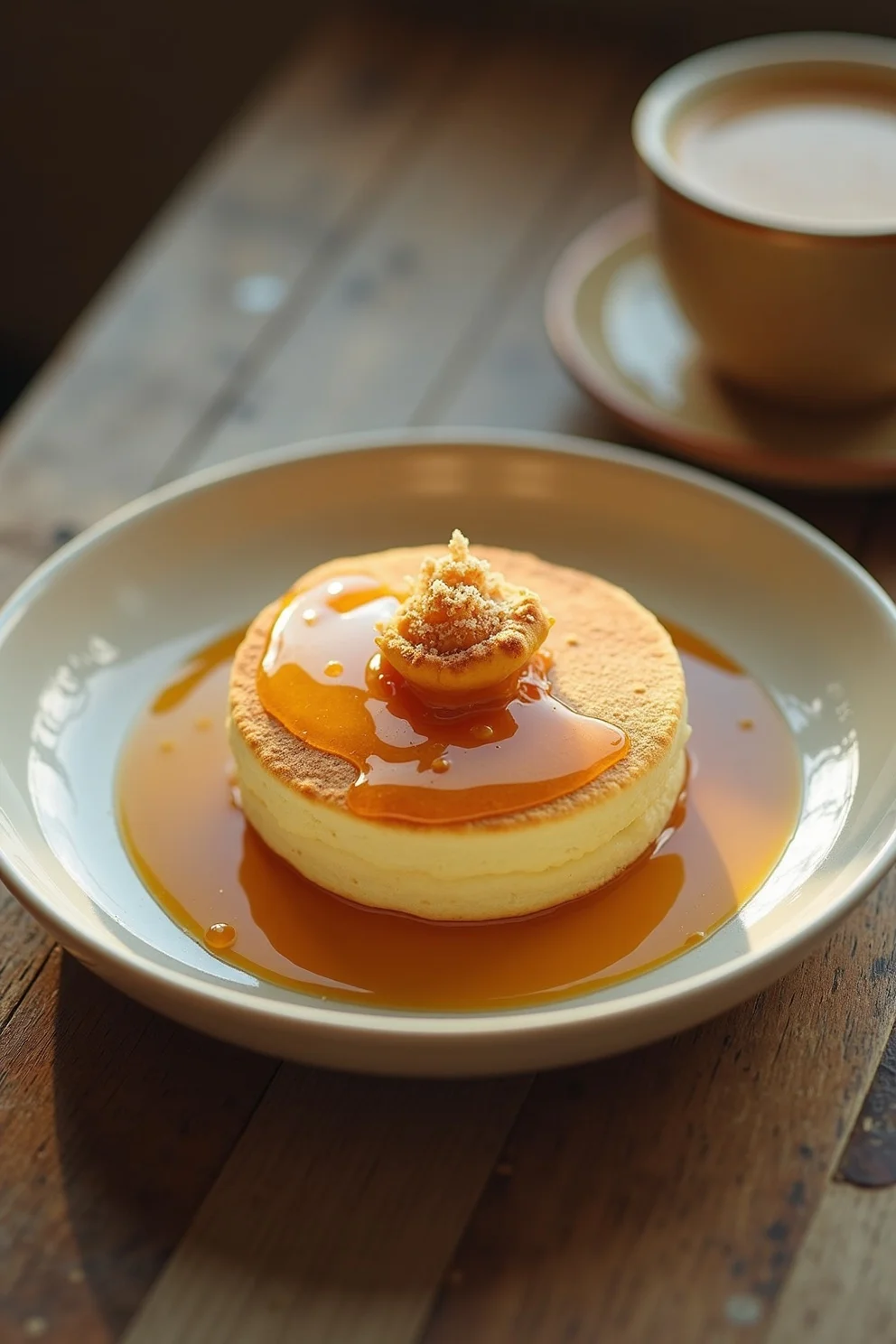
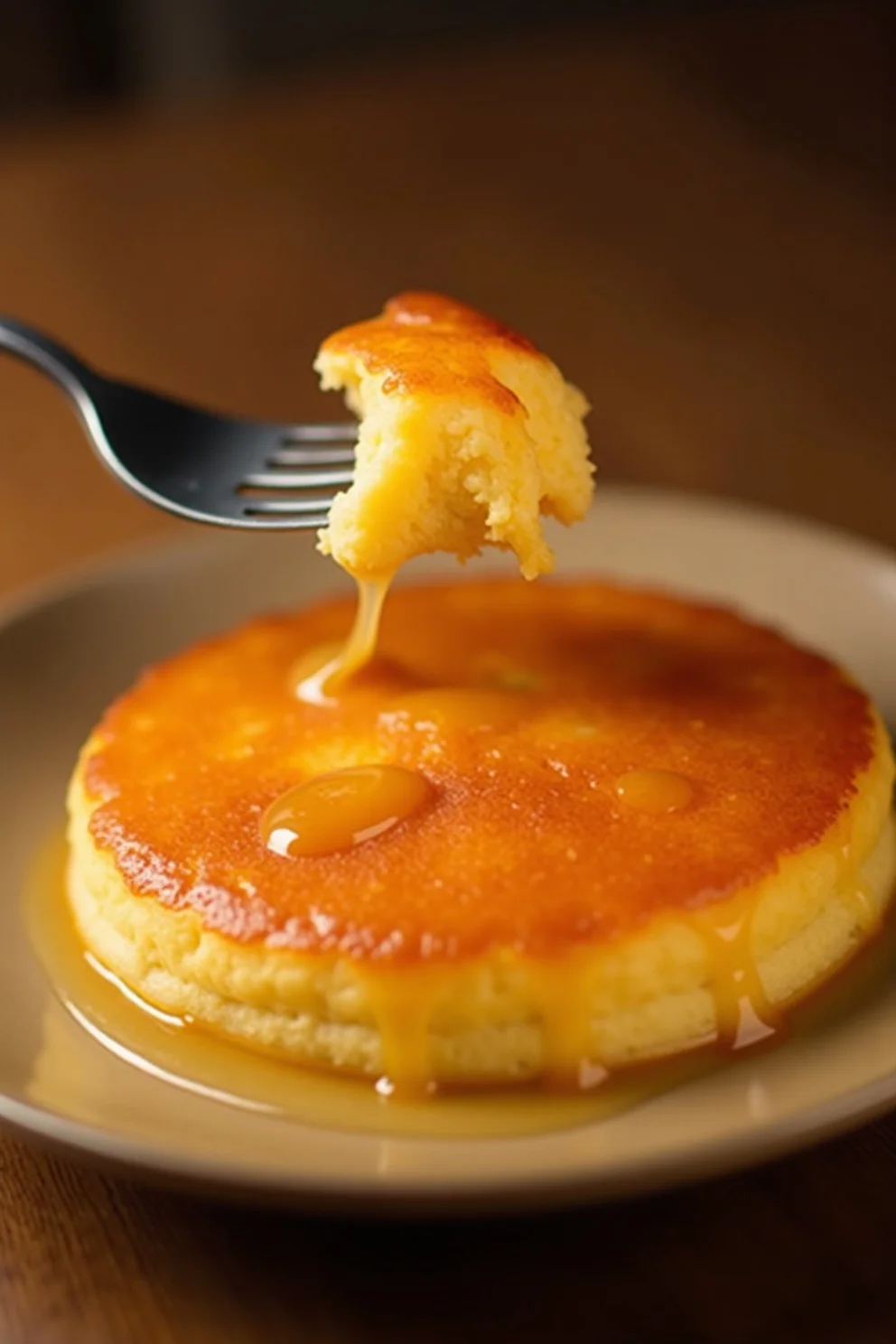
These pancakes aren’t just breakfast; they’re an experience. Unlike their dense American cousins, Japanese Soufflé Pancakes are ethereally light, airy, and boast a custard-like center that melts on your tongue. The key difference lies in the technique: a perfectly whipped meringue folded into a delicate batter, then cooked low and slow in a covered pan. If you’ve ever wanted to impress someone with a brunch that looks like it came from a five-star bakery, this is the recipe. And the best part? You don’t need any special equipment.
I know what you’re thinking: “Those look impossible.” But trust me, with a little patience and the right guidance, you can absolutely make these at home. I’ve tested this recipe countless times to ensure it’s foolproof for a home kitchen. Let’s get into the fluffy, jiggly goodness.
The Science and Secrets of Japanese Soufflé Pancakes
So, what makes Japanese Soufflé Pancakes so uniquely fluffy? It all comes down to the science of aeration and stabilization. The foundation is an egg yolk batter thickened with flour, milk, and a little melted butter. But the soul of the pancake is the meringue egg whites whipped with sugar until they form stiff, glossy peaks. This meringue is a network of proteins trapping millions of tiny air bubbles.
When you gently fold that meringue into the yolk batter, you are creating a super-light sponge. The magic continues in the pan. By cooking the pancakes in a covered, low-heat environment, you allow the steam trapped inside the rings to gently cook the batter from the inside out. This steam expansion is what gives the pancake its remarkable height. The flip is the trickiest part; you need to be quick and gentle to avoid deflating those precious bubbles.
The flavor profile is subtle but distinct. It’s not overly sweet. The true taste comes from fresh eggs, a whisper of vanilla, and the rich tang of cream cheese (or buttermilk) in the batter. It’s a blank canvas, perfect for a drizzle of maple syrup, a dollop of whipped cream, or fresh fruit. For a different kind of delight, you might also enjoy our Fluffy Maple Cinnamon Pancakes which have a warmer, spicier flavor.
Chef’s Tip for Japanese Soufflé Pancakes
Room temperature eggs are non-negotiable. Cold egg whites will not whip to their full volume. Separate your eggs when they are cold (it’s easier), then let both the yolks and whites sit on the counter for 15-20 minutes. The whites will whip faster and hold a sturdier, more stable foam.
Ingredients & Substitutions
This recipe yields 4 tall pancakes, perfect for 2 generous servings.
For the Pancake Batter:
- 2 large eggs (separated, room temperature) – Substitution: Use 2 whole flax eggs (2 tbsp flaxseed meal + 6 tbsp water) and 1 extra flax egg white for a vegan option, though the texture will be denser.
- 1 tablespoon whole milk (room temperature) – Substitution: Use oat milk or almond milk. Buttermilk adds a wonderful tang.
- 1/2 teaspoon vanilla extract
- 1/4 cup (30g) cake flour (sifted) – Substitution: For a healthier, fiber-packed option, use 1/4 cup (32g) whole wheat pastry flour. It provides a lighter texture than regular whole wheat. You can also use a 1:1 gluten-free baking flour blend.
- 1/2 teaspoon baking powder
- 1 pinch salt
- 1 tablespoon cream cheese (softened) – Substitution: Use full-fat Greek yogurt for a tangier flavor, or silken tofu for a dairy-free version.
For the Meringue:
- 1/4 cup (50g) white sugar – Substitution: Use 3 tablespoons (45ml) of maple syrup or honey, but reduce the milk in the batter by 1 teaspoon to account for the extra liquid. Coconut sugar also works, but will turn the meringue slightly tan.
For Cooking:
- 1-2 tablespoons unsalted butter (for the pan)
- 1-2 tablespoons water (for steaming)
- Cooking oil spray (for the rings)
- 4 x 3-inch ring molds (or clean tuna cans with tops and bottoms removed)
Step-by-Step Instructions
- Prep Your Station: Set your ring molds on a plate and spray the insides generously with non-stick spray. Line a second plate with a clean kitchen towel. Make sure you have a flat spatula and a small offset spatula handy. This is your mise en place moment.
- Create the Base Batter: In a medium bowl, whisk together the egg yolks, milk, vanilla extract, melted butter (or oil), and cream cheese until smooth. In a separate small bowl, whisk the sifted cake flour, baking powder, and salt. Gently fold the dry ingredients into the wet mixture until just combined. Do not overmix; a few lumps are okay. For an even healthier pancake, try our Fluffy Pumpkin Pancakes Guide for a seasonal twist.
- Whip the Meringue: In a clean, dry mixing bowl (stainless steel or glass is best), beat the egg whites with an electric mixer on medium speed. Once they become foamy and bubbly (about 1 minute), begin adding the sugar one tablespoon at a time. Continue beating on high speed until the meringue forms stiff, glossy peaks. This means when you lift the whisk, the peak stands straight up and doesn’t flop over. Tip: You can test this by holding the bowl upside down over your head if the meringue stays put, it’s ready.
- Fold Gently: Add one-third of the meringue to the yolk batter. Use a rubber spatula to fold vigorously. This initial mix will loosen the batter. Add the remaining meringue and fold gently but confidently. Use a cutting motion through the center, then scoop the batter up from the bottom. Rotate the bowl as you go. Stop folding as soon as you no longer see white streaks. You want a uniform, fluffy batter.
- First Cook Low and Slow: Place a large non-stick skillet or griddle over the lowest possible heat. Add a small pat of butter. Once melted, place the ring molds in the pan. Spoon the batter into the rings, filling them about 80% full. It’s okay if it looks a little wobbly.
- The Steam Trap: Add 1-2 tablespoons of water to the empty spaces around the rings. Immediately cover the pan with a tight-fitting lid. Cook for exactly 4 minutes. Do not peek. The steam is what makes them rise tall.
- The Flip: After 4 minutes, carefully remove the lid. Use a small offset spatula or a thin knife to loosen the edges of the pancake from the ring. Place a flat spatula on top of the pancake and your thumb on the ring. In one brisk but gentle motion, flip the pancake and ring together onto the flat spatula. The ring will now be on top. Slide the pancake back into the pan. It’s scary the first time, I know.
- Second Cook: Add another tablespoon of water to the pan and re-cover. Cook for another 4-5 minutes, until the pancake feels springy to the touch and a skewer inserted into the center comes out clean. Remove the rings carefully. The pancake will deflate slightly but should remain tall and jiggly. Serve immediately.
Time-Saving Shortcut
You can prepare the dry ingredients (flour, baking powder, salt) in a small ziplock bag and the wet ingredients (egg yolks, milk, vanilla) in a jar up to one day in advance. Store them in the fridge. When ready to cook, simply combine them and whip the meringue. This shaves off about 5 minutes of active prep time.
Storage & Make-Ahead Tips
Japanese Soufflé Pancakes are at their peak fresh and hot. They are notoriously unstable; they lose their fluff within an hour of being cooked.
- Refrigerating: Let any leftover pancakes cool completely on a wire rack. Place them in an airtight container, separated by parchment paper. They will last for 1 day. To reheat, wrap them in a damp paper towel and microwave for 15-20 seconds. They won’t be as tall, but they’ll still be soft.
- Freezing: I don’t recommend freezing fully cooked soufflé pancakes. The texture becomes rubbery and wet. However, you can freeze the raw batter. Spoon the batter into the ring molds on a baking sheet. Freeze for 2 hours until solid. Pop the frozen rings into a zip-top bag. To cook, do not thaw. Place the frozen batter (still in its ring) into a low-heat pan, add water, and cover. Cook for 6-8 minutes per side. The texture will be slightly denser but still good.
Common Mistake to Avoid
Overmixing the batter when adding the meringue. This is the #1 killer of fluffy Japanese Soufflé Pancakes. When you overmix, you pop all the delicate air bubbles you worked so hard to create in the meringue. The result is flat, dense, and rubbery pancakes. Fold only until the last streak of white disappears. It is far better to have a few streaks than a flat pancake.
Nutritional Benefits
These Japanese Soufflé Pancakes are a lighter alternative to traditional diner-style pancakes. By relying on whipped egg whites for volume rather than heavy fats, they are lower in fat and calories while still providing a good source of high-quality protein from the eggs. The recipe uses minimal sugar and butter, and you can easily incorporate whole grains or dairy-free alternatives. The cream cheese adds a small dose of calcium.
Nutrition Facts (per serving)
Estimates based on two pancakes per serving, using cake flour, whole milk, and butter.
| Nutrient | Amount per Serving |
|---|---|
| Calories | 285 kcal |
| Total Fat | 14 g |
| Saturated Fat | 7 g |
| Carbohydrates | 30 g |
| Fiber | 1 g |
| Sugar | 18 g |
| Protein | 9 g |
| Sodium | 220 mg |
Values vary based on specific ingredients and portion size.
Conclusion
Making Japanese Soufflé Pancakes at home is a labor of love, but the payoff is utterly spectacular. There’s a profound satisfaction in watching a humble pancake puff up to three times its original height. It’s a recipe that demands your full attention, but it rewards you with a breakfast that looks like a beautiful, jiggly work of art. The first time you see someone’s face light up when they take a bite, you’ll know it was worth every careful fold and every second of steam. This version of Japanese Soufflé Pancakes is your ticket to that magical moment.
Frequently Asked Questions About Japanese Soufflé Pancakes
Why did my pancakes deflate immediately after I flipped them?
This is usually because the meringue wasn’t whipped to stiff peaks or you overmixed the batter. Stiff peaks provide the structural support needed to hold the volume. Also, make sure your pan is not too hot. High heat cooks the outside too fast, forming a hard crust that can’t hold the expanding steam, causing a collapse.
Can I make these without ring molds?
You can try, but it’s difficult. Ring molds contain the batter, forcing it to push upward instead of spreading sideways. Without them, you’ll get a flatter, more traditional pancake shape. If you don’t have rings, try forming a tight “collar” out of heavy-duty aluminum foil. Spray it well with oil.
What is the best egg white temperature for the meringue?
Room temperature egg whites (around 68-70°F or 20-21°C) whip to a much higher volume than cold ones. They also incorporate air more efficiently and create a more stable foam. If you forget to take them out early, place the whole eggs in a bowl of warm water for 5 minutes.
Can I add flavorings like matcha or cocoa powder?
Absolutely! For matcha, whisk 1 teaspoon of matcha powder into the flour mixture. For chocolate, use 1 tablespoon of cocoa powder and reduce the flour by 1 teaspoon. Just be careful not to overmix, as these powders can make the batter slightly thicker. You might also enjoy our Crispy Vegetable Pancakes Asian Dipping Sauce for a savory alternative.
Why did my pancakes brown too quickly on the outside but stay raw inside?
Your heat is too high. Japanese Soufflé Pancakes need exceptionally low heat to cook through slowly. If the bottom browns in under 3 minutes, your stovetop is too hot. Turn it down to the lowest setting. You want a gentle, even heat that allows the steam to cook the center.