
In this article:
- Why Mashed Rutabaga Outshines Half the Sides on the Table
- Golden, Earthy, Gently Sweet: What a Good Mash Tastes Like
- Choosing and Peeling a Waxed Rutabaga Without a Fight
- Mashed Rutabaga Ingredients
- How to Make Mashed Rutabaga
- The Steam Dry Step That Ends Watery Mash for Good
- Brown Butter, Watched Closely: Two Minutes to Nutty
- Carrot In, Potato In, or Rutabaga Standing Alone
- Make It Tuesday, Reheat It Thursday
- Questions Cooks Ask About Mashed Rutabaga
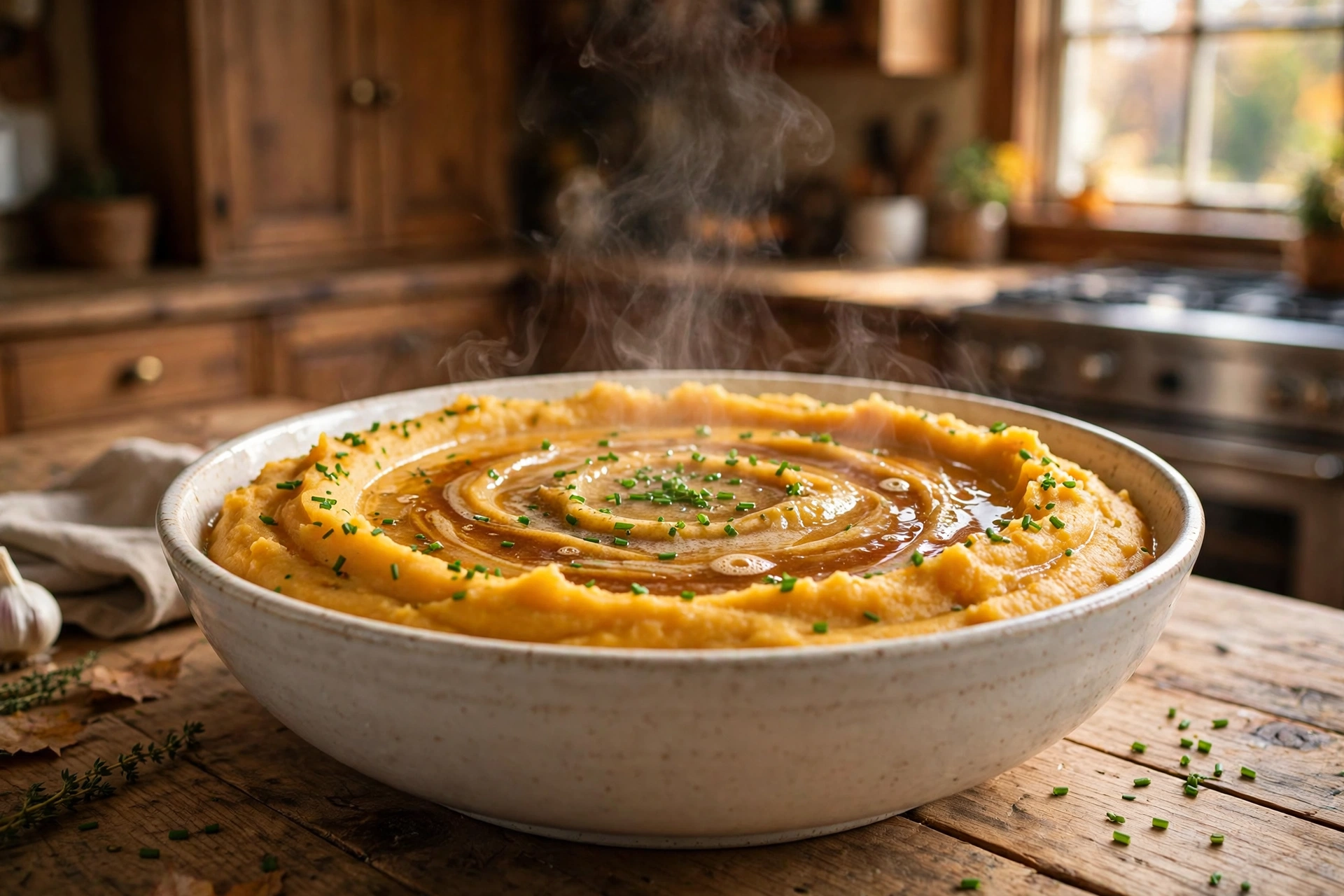
Mashed rutabaga is the golden bowl that quietly steals the Thanksgiving table from the potatoes. It arrives silky, deep gold, and smelling of brown butter and nutmeg, with a sweetness no potato can offer. One spoonful explains why northern families have guarded this side dish for generations.
The color alone earns its place. Against a pale turkey and white potatoes, this mash glows like late afternoon light, and it holds that color on a buffet without turning gray. Guests who cannot name the vegetable ask for the recipe before they ask what it is.
It is also the rare holiday side that improves with rest. Mashed rutabaga reheats without drying, splitting, or losing its shine, which means it can be finished days before the turkey even comes out of its brine. Calm food, ready when you are.
Why Mashed Rutabaga Outshines Half the Sides on the Table
Mashed rutabaga works because the vegetable brings its own sugar to the pot. Rutabaga is a cross between a cabbage and a turnip, and slow simmering turns its firm, peppery flesh mellow and honeyed. The mash tastes seasoned from the inside, not rescued at the end.
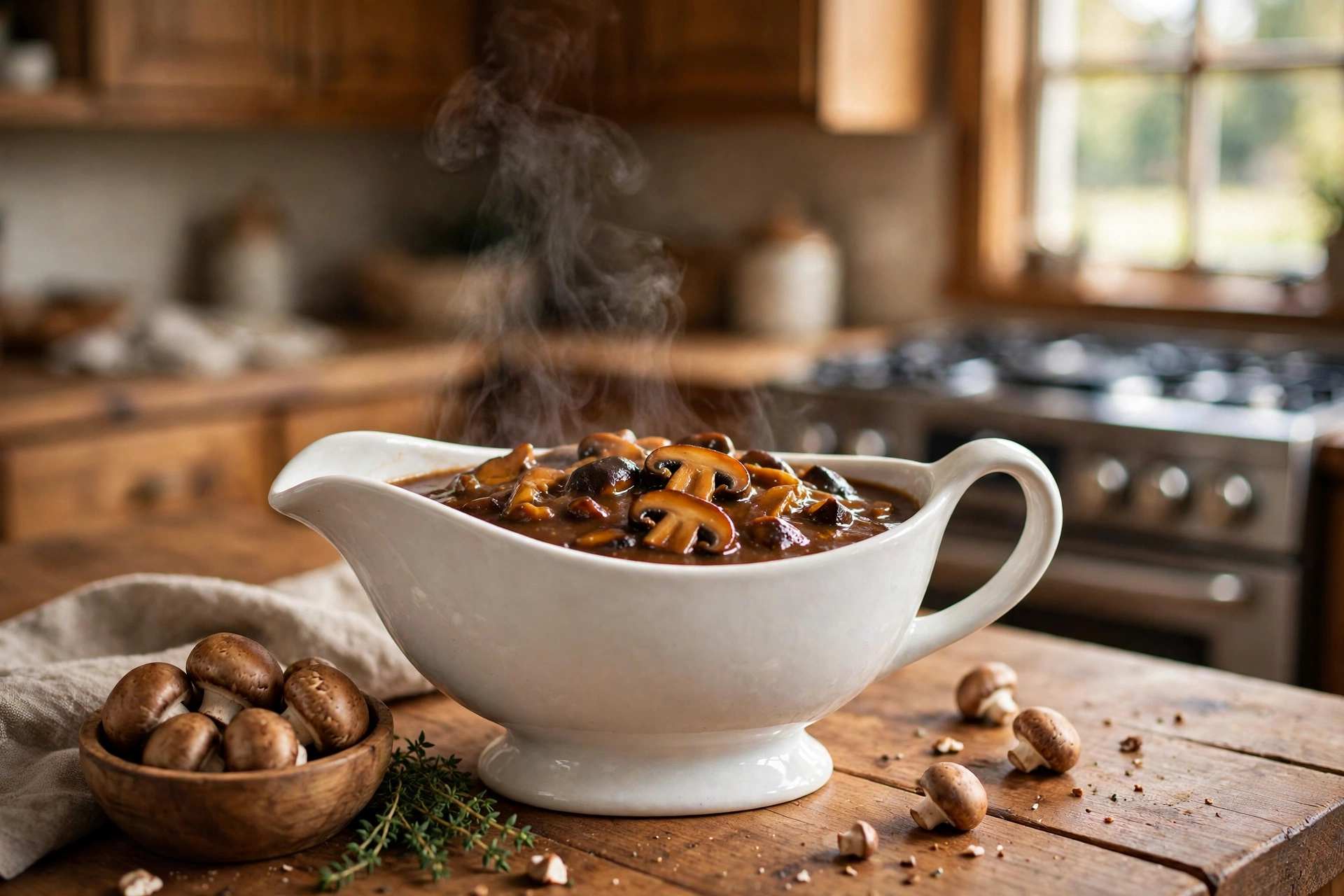
The texture lands between mashed potatoes and mashed sweet potatoes: dense enough to hold a swirl, soft enough to take a pool of brown butter. It carries gravy beautifully, and a ladle of mushroom gravy over a golden scoop is one of the best bites of the whole meal.
There is a practical win too. Rutabaga costs very little, keeps for weeks in the refrigerator before cooking, and forgives an extra ten minutes on the stove. On the most scheduled day of the cooking year, a forgiving vegetable is worth real money.
Golden, Earthy, Gently Sweet: What a Good Mash Tastes Like
The first taste is earth, in the good sense: roots, cellar, and cold weather. Then the sweetness rises, closer to carrot than to sugar, and the brown butter folds over it with a toasted, nutty finish. A whisper of nutmeg sits underneath everything, felt more than tasted.
One carrot cooks in the same water, and it does quiet, important work. It deepens the gold color toward amber and rounds the edges of the rutabaga, whose flavor can turn sharp when the root is old. The finished mash never tastes of carrot. It simply tastes complete.
Temperature matters more than cooks expect. Served properly hot, the mash reads silky and rich; served lukewarm, the butter sets and the texture turns heavy. A warmed bowl and a last swirl of hot brown butter at the table keep every serving at its best.
The seasoning is deliberately plain: salt, pepper, nutmeg, butter. Rutabaga also brings real substance to the bowl, including fiber, potassium, and vitamin C, as the listings at USDA FoodData Central show for the raw root. Nothing needs to hide behind cream cheese or a sauce.
Choosing and Peeling a Waxed Rutabaga Without a Fight
Choose rutabagas that feel heavy for their size and measure roughly four to five inches across. Very large roots grow woody at the core and taste stronger; small and medium ones stay sweet and tender. The purple shoulder and creamy yellow flesh are the signs you have rutabaga, not a white turnip.
Most rutabagas are sold coated in food grade wax, which keeps them from drying in storage. The wax comes off with the peel, and the peel must be complete: any green or waxy patch left behind tastes bitter in the mash and never softens properly.
Work safely and the job takes minutes. Slice a flat base off one end so the root stands steady, then cut the peel away in thick downward strips with a sturdy knife instead of fighting it with a peeler. Cube the flesh into one inch pieces, cutting out any pale, fibrous core you meet.
Plan on losing about a third of the weight to peeling. Three pounds of whole rutabaga give roughly two pounds of cubes, which mash down to about five cups. That is a generous side for eight people on a table where five other dishes are competing for space.
Mashed Rutabaga Ingredients
The list is short and the roles are clear: the carrot for color and sweetness, the brown butter for depth, the nutmeg for warmth. Buy the rutabagas a week ahead if you like; they wait patiently in the crisper.
- 3 pounds rutabaga (about 2 medium), peeled and cut into 1 inch cubes
- 2 medium carrots (about 8 ounces), peeled and cut into 1/2 inch coins
- 1 tablespoon fine sea salt, for the cooking water, plus 3/4 teaspoon more to finish
- 6 tablespoons unsalted butter
- 1/4 cup heavy cream or whole milk, warmed
- 1/4 teaspoon freshly ground black pepper
- 1/8 teaspoon ground nutmeg
- 1 teaspoon maple syrup (optional, only if the rutabaga tastes sharp)
- 1 tablespoon snipped fresh chives, to serve
How to Make Mashed Rutabaga
- Cut a flat base on each rutabaga so it stands steady. Peel in thick downward strips, removing all the wax and skin, then cut the flesh into 1 inch cubes, trimming away any pale fibrous core. Peel the carrots and cut them into 1/2 inch coins.
- Put the rutabaga and carrots in a large pot and add cold water to cover by 1 inch. Stir in the tablespoon of salt. Starting in cold, salted water seasons the cubes evenly and takes the raw edge off the rutabaga.
- Bring to a boil over high heat, then lower to a steady simmer. Cook for 25 to 30 minutes, until a cube of rutabaga crushes against the side of the pot with the back of a spoon and offers no resistance at all.
- Drain everything in a colander and let it sit for 1 minute. Return the vegetables to the hot, dry pot over low heat and shake the pot for about 2 minutes, until the cubes stop steaming and their surfaces look matte instead of wet.
- While the vegetables drain, brown the butter. Melt it in a small, light colored saucepan over medium heat, swirling often. It will foam, then turn amber with brown flecks and smell nutty, in 3 to 4 minutes. Pull it off the heat at once.
- Mash the hot vegetables in the pot with a potato masher until mostly smooth. Rutabaga keeps a gentle texture; a few small lumps are right. Never use a blender or food processor, which turn the mash gluey.
- Pour in all the brown butter and mash it through. Add the warm cream a splash at a time, mashing after each addition, until the mash is silky and holds soft peaks. Stir in the remaining salt, the pepper, and the nutmeg.
- Taste. If the rutabaga leans sharp, stir in the maple syrup. Spoon the mash into a warmed serving bowl, swirl the top, and scatter the chives over it. Serve hot, with extra brown butter if you held any back.
The Steam Dry Step That Ends Watery Mash for Good
More mashed rutabaga fails from water than from any other cause. The root drinks deeply as it simmers, and every spoonful of that water carried into the bowl thins the mash and dilutes the butter. The fix costs two minutes and no equipment: dry the cubes before anything touches them.
The method is the one good potato cooks already know. Drain the pot, return the vegetables to the still hot pan over low heat, and shake until the surfaces turn matte and the cloud of steam fades. The cubes should look almost dusty at the edges. Only then does the masher come out.
Order matters after that. Brown butter goes in first, while the mash is driest, so the fat coats the particles and the nutty flavor spreads everywhere. The warm cream follows in splashes. Cold cream added all at once is how a promising mash turns into soup at the table.
If the mash still loosens as it sits, and a long buffet can do that, stir it over low heat for two or three minutes and let the excess steam escape. Mashed rutabaga tightens as it dries and loosens as it drinks; the stove, not more butter, is the correct adjustment.
Brown Butter, Watched Closely: Two Minutes to Nutty
Brown butter is plain butter cooked until its milk solids toast. The color moves from yellow to gold to amber, the foam settles, and the smell turns to hazelnuts and warm toast. Those toasted solids are the entire flavor difference between a flat mash and this one.
Use a light colored pan so you can see the change, and stay beside it. Butter goes from perfect to scorched in under a minute once the solids darken, and scorched butter cannot be rescued. The moment the flecks turn the color of strong tea, the pan leaves the heat.
Pour the butter into the mash with every brown fleck included; the flecks carry the flavor. If you want a prettier finish, brown one extra tablespoon, hold it aside, and pour it in a glossy ribbon over the swirled top of the bowl just before the chives go on.
Carrot In, Potato In, or Rutabaga Standing Alone
The carrot in this recipe is the gentle version of an old debate. Many families mash rutabaga with potato instead, half and half, which gives a paler, fluffier bowl that tastes more like potato. It is a fine mash; it is simply a different dish, and the golden color is the price.
For a fully plain version, leave the carrot out and add one extra minute of simmering and the maple syrup without apology. The flavor stands closer to the root: deeper, earthier, a little wilder. Cooks who grew up on the plain version rarely accept substitutes.
White pepper instead of black keeps the surface spotless, and a spoon of sour cream stirred in at the end adds a cultured tang that suits the sweetness. For a dairy free bowl, brown olive oil is not possible, so use a good olive oil warmed with a crushed garlic clove and a sprig of thyme, then strained over the mash.
Leftovers fry beautifully. Press cold mash into small cakes, dust them lightly with flour, and cook them in butter until both sides are deeply crisp. Served beside eggs the morning after Thanksgiving, they may outshine the original bowl.
Make It Tuesday, Reheat It Thursday
Mashed rutabaga is built for the make ahead column of the Thanksgiving plan. Cook the full recipe on Tuesday, cool it, press a piece of parchment onto the surface, and refrigerate it. The flavor deepens overnight as the brown butter settles into every cube.
Reheat it two ways, both reliable. In the oven: spoon it into a buttered baking dish, dot the top with butter, cover with foil, and bake at 325 degrees F for 25 to 30 minutes, until steaming at the edges. On the stove: reheat it in a heavy pot over low heat with two tablespoons of cream, stirring often.
The finished mash keeps for up to 4 days in the refrigerator and freezes for up to 2 months with only a little softening. The FoodKeeper guidance is a useful check for the rest of the leftovers sharing the shelf. Thaw frozen mash overnight and reheat it slowly, whisking back to silk.
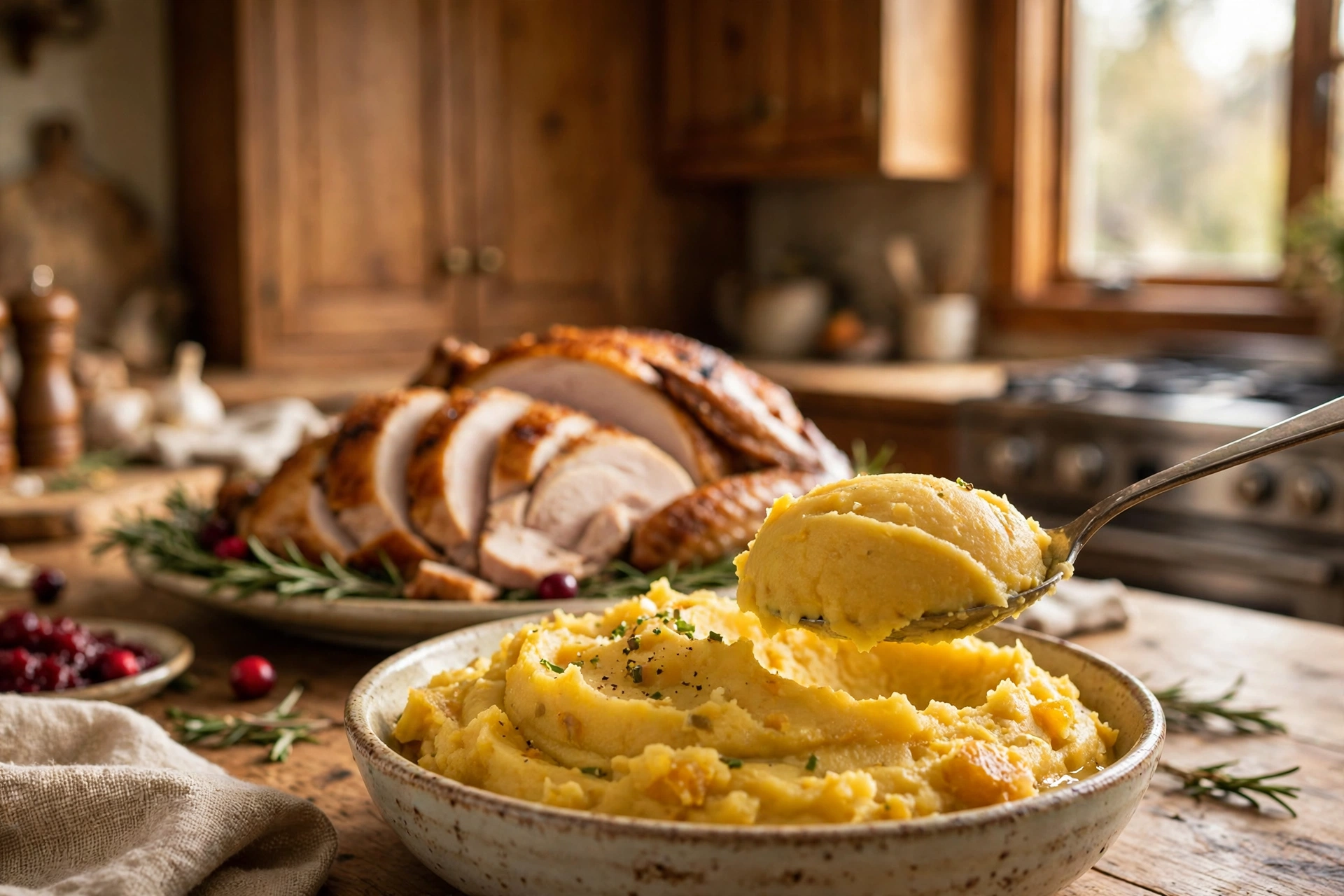
On the table, this bowl sits happily between the herb butter roast turkey and the make-ahead mashed potatoes, giving guests two mashes with two different colors and characters. A spoon of mushroom gravy over the rutabaga is the combination our table asks for by name, and the roasted parsnips complete the root vegetable corner.
Mashed rutabaga asks little of the cook: one pot, one small pan, and the patience to let the cubes dry before the butter arrives. Give it those three things and it returns a bowl of gold that holds its own beside any dish on the holiday table. Some sides are tradition because they are expected. This one earns the title every year.
Questions Cooks Ask About Mashed Rutabaga
Why did my mashed rutabaga come out watery?
The cubes went into the masher still wet. Rutabaga holds a great deal of cooking water, and it drains straight into the bowl. Next time, return the drained vegetables to the hot pot over low heat for 2 minutes and shake until the surfaces look matte, then mash and add the butter before any cream.
Can I use turnips instead of rutabaga in this mash?
Yes, with small changes. White turnips are smaller, sharper, and cook faster, about 20 minutes. Keep the carrot in the pot, add the maple syrup from the start, and expect a paler mash with a gentle bite. The two roots are cousins, and the method transfers well.
How much rutabaga should I buy per person?
Plan on about half a pound of whole rutabaga per guest. Peeling takes roughly a third of the weight, so 3 pounds of whole roots give about 5 cups of mash: eight comfortable servings on a crowded Thanksgiving table, or six generous ones at a smaller dinner.
Can I mash rutabaga in a food processor to get it perfectly smooth?
No, and the result will disappoint you. Rutabaga behaves like potato under blades: the starch turns the mash sticky and gluey. A hand masher leaves the gentle texture this dish wants. For a finer finish, pass the hot cubes through a ricer before adding the butter.
Why does my rutabaga sometimes taste bitter?
Very large, old roots are the usual cause; their cores grow woody and strong. Choose medium roots, peel away every trace of wax and skin, start the cubes in cold salted water, and let the carrot and the optional teaspoon of maple syrup do their quiet balancing work.
Mashed Rutabaga
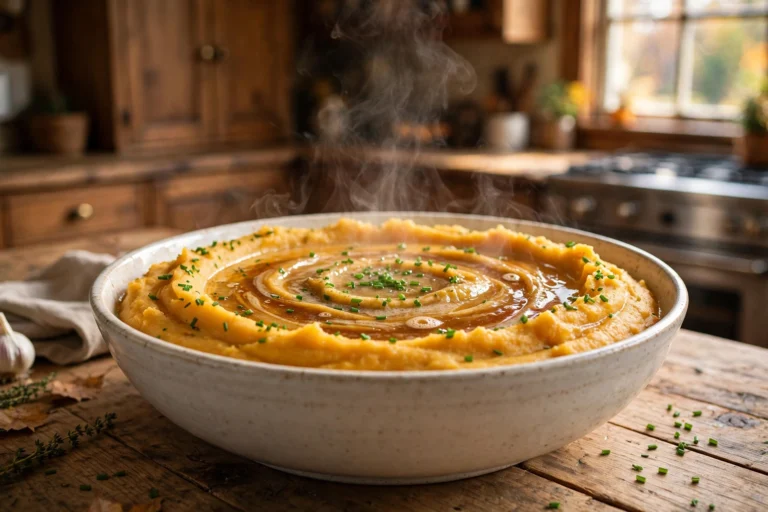
The golden Thanksgiving mash that needs no potato at all: rutabaga simmered with a carrot for color and sweetness, dried in the hot pot so it never turns watery, then mashed with brown butter, warm cream, and a whisper of nutmeg. Made on Tuesday, reheated on Thursday, and better for the rest.
- Total Time: 55 minutes
- Yield: About 5 cups, 8 servings 1x
Ingredients
- 3 pounds rutabaga (about 2 medium), peeled and cut into 1 inch cubes
- 2 medium carrots (about 8 ounces), peeled and cut into 1/2 inch coins
- 1 tablespoon fine sea salt, for the cooking water, plus 3/4 teaspoon more to finish
- 6 tablespoons unsalted butter
- 1/4 cup heavy cream or whole milk, warmed
- 1/4 teaspoon freshly ground black pepper
- 1/8 teaspoon ground nutmeg
- 1 teaspoon maple syrup (optional, only if the rutabaga tastes sharp)
- 1 tablespoon snipped fresh chives, to serve
Instructions
- Cut a flat base on each rutabaga so it stands steady. Peel in thick downward strips, removing all the wax and skin, then cut the flesh into 1 inch cubes, trimming away any pale fibrous core. Peel the carrots and cut them into 1/2 inch coins.
- Put the rutabaga and carrots in a large pot and add cold water to cover by 1 inch. Stir in the tablespoon of salt. Starting in cold, salted water seasons the cubes evenly and takes the raw edge off the rutabaga.
- Bring to a boil over high heat, then lower to a steady simmer. Cook for 25 to 30 minutes, until a cube of rutabaga crushes against the side of the pot with the back of a spoon and offers no resistance at all.
- Drain everything in a colander and let it sit for 1 minute. Return the vegetables to the hot, dry pot over low heat and shake the pot for about 2 minutes, until the cubes stop steaming and their surfaces look matte instead of wet.
- While the vegetables drain, brown the butter. Melt it in a small, light colored saucepan over medium heat, swirling often. It will foam, then turn amber with brown flecks and smell nutty, in 3 to 4 minutes. Pull it off the heat at once.
- Mash the hot vegetables in the pot with a potato masher until mostly smooth. Rutabaga keeps a gentle texture; a few small lumps are right. Never use a blender or food processor, which turn the mash gluey.
- Pour in all the brown butter and mash it through. Add the warm cream a splash at a time, mashing after each addition, until the mash is silky and holds soft peaks. Stir in the remaining salt, the pepper, and the nutmeg.
- Taste. If the rutabaga leans sharp, stir in the maple syrup. Spoon the mash into a warmed serving bowl, swirl the top, and scatter the chives over it. Serve hot, with extra brown butter if you held any back.
- Prep Time: 20 minutes
- Cook Time: 35 minutes
Nutrition
- Serving Size: 3/4 cup
- Calories: 165
- Sodium: 390
- Saturated Fat: 6 g
- Protein: 2 g
- Cholesterol: 27